Hexartan-LNC Tablet

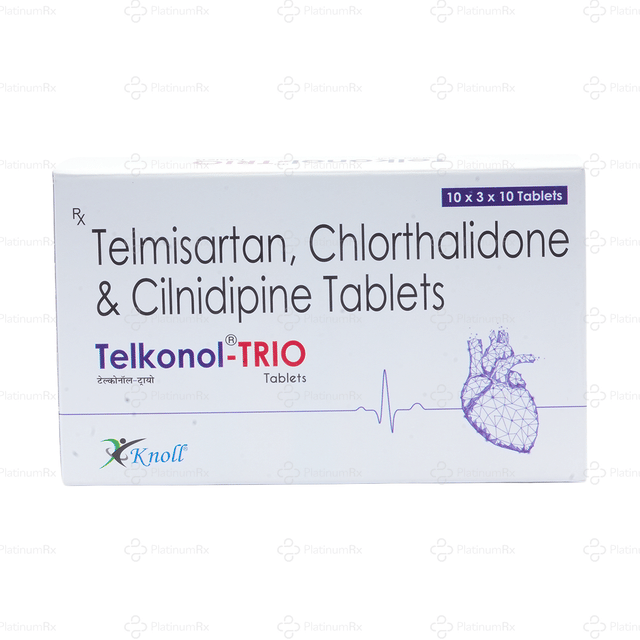
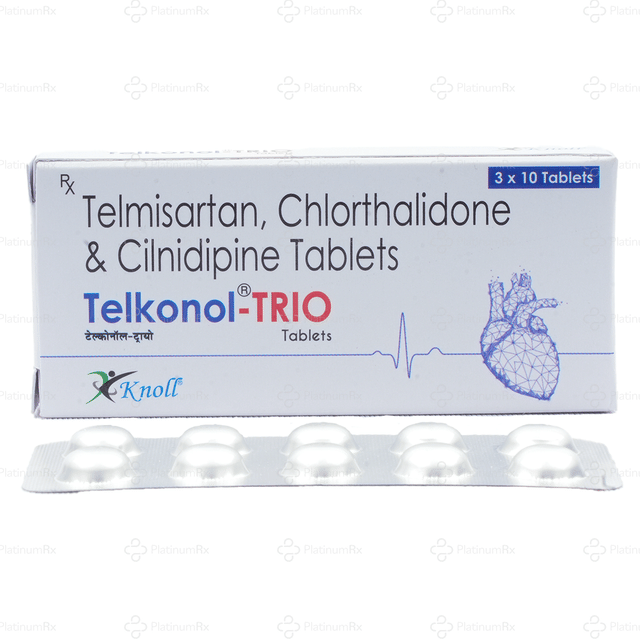
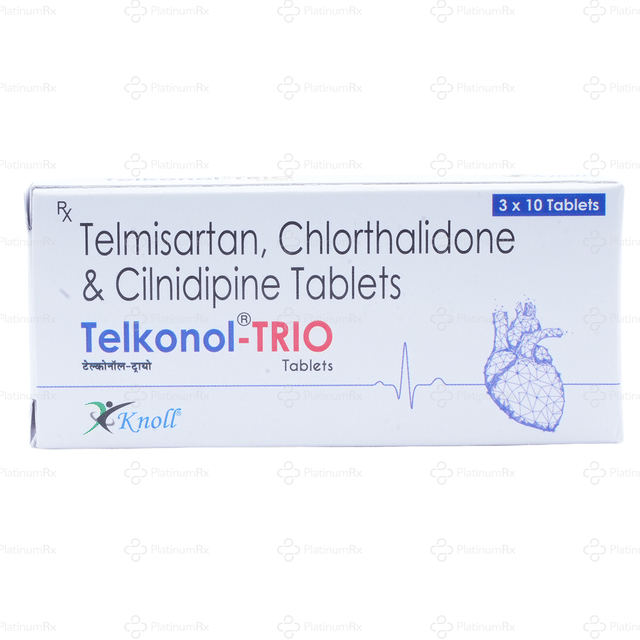
Hexartan-LNC Tablet is one tablet that holds three blood pressure medicines: cilnidipine, telmisartan and chlorthalidone. Cilnidipine is a calcium channel blocker that helps blood vessels relax and widen. Telmisartan is an angiotensin II receptor blocker, or ARB, which blocks a body chemical that squeezes those vessels. Chlorthalidone is a diuretic, a water pill that helps the kidneys pass out extra salt and water. High blood pressure is called hypertension in India. Doctors use this triple combination for essential hypertension, the everyday type of high blood pressure that has no single clear cause, when one or two medicines alone have not brought the reading down enough.
Written by: Syed Jommy Abbas, B. Pharma
Reviewed by: Dr. Devika Rani, MBBS
Last updated on: 25-09-2026

Delivery by
...
FDA & GMP Certified
Long Expiry (>8 Months)
15 Days Easy Returns
Medicine Comparison
Have a question?

Genuine Medicine
Pay On Delivery
Secure Payment

LegitScript Certified Online Pharmacy


More About Hexartan-LNC Tablet
Quick Summary
Hexartan-LNC Tablet is one tablet that holds three blood pressure medicines: cilnidipine, telmisartan and chlorthalidone. Cilnidipine is a calcium channel blocker that helps blood vessels relax and widen. Telmisartan is an angiotensin II receptor blocker, or ARB, which blocks a body chemical that squeezes those vessels. Chlorthalidone is a diuretic, a water pill that helps the kidneys pass out extra salt and water. High blood pressure is called hypertension in India. Doctors use this triple combination for essential hypertension, the everyday type of high blood pressure that has no single clear cause, when one or two medicines alone have not brought the reading down enough.
Detailed Description
High blood pressure usually causes no symptoms, so it is usually found during a routine check rather than felt by the person who has it. Over the years it makes the heart work harder and damages the brain, heart, kidneys and eyes. When two medicines are not enough to bring the reading down, doctors sometimes move to a single tablet that carries three.
Cilnidipine works on the muscle inside the walls of blood vessels. It blocks calcium channels of two kinds, L-type and N-type. Blocking the L-type channels lets the vessel walls relax and widen, which lowers pressure. Blocking the N-type channels, which sit on nerve endings, cuts down the release of noradrenaline, the chemical that drives the body's stress response. Reviews of cilnidipine report that this second action is why the pulse does not speed up the way it can with older calcium channel blockers of the same family.
Telmisartan blocks the receptor for angiotensin II, a hormone the body makes to tighten blood vessels and hold on to salt and water. With that receptor blocked, the vessels stay wider and the kidneys release more sodium. Telmisartan is taken once a day and works through the full 24 hours. Its label carries a boxed warning: it can injure and even kill a developing baby, so it must be stopped as soon as a pregnancy is known.
Chlorthalidone acts inside the kidney. It makes the kidney tubules take back less sodium, so more sodium and water leave the body in urine. Less fluid in the bloodstream means less pressure inside the arteries.
The benefit of the fixed combination is practical. Three medicines arrive in one tablet, usually taken once each morning, so there are fewer strips to manage and fewer doses to forget. Steady daily dosing keeps the reading stable instead of swinging between doses.
This is a prescription medicine and not a self-care product. The doctor decides whether the combination suits you, sets the strength, and arranges blood tests to watch your potassium, sodium and kidney function. Do not start, stop or change it on your own.
Composition
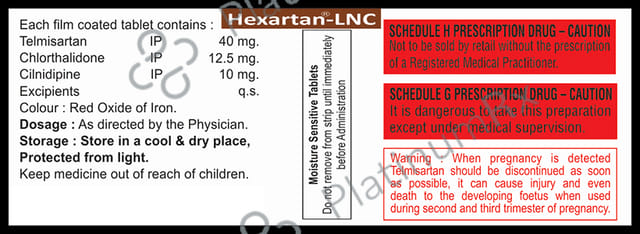
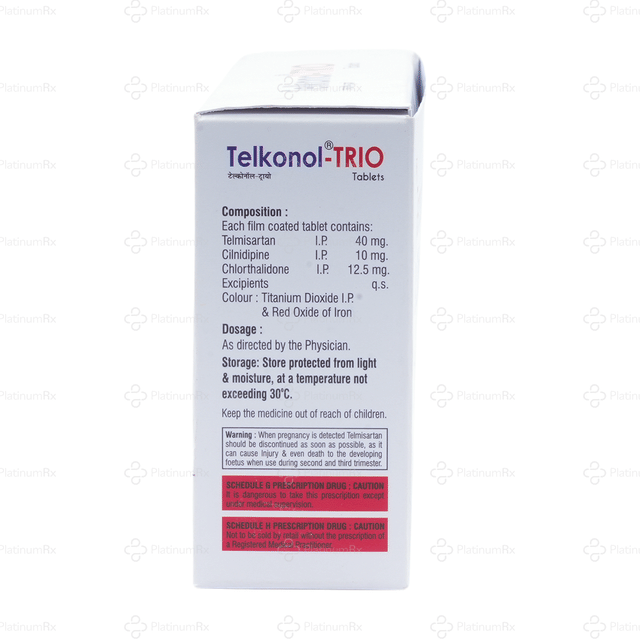
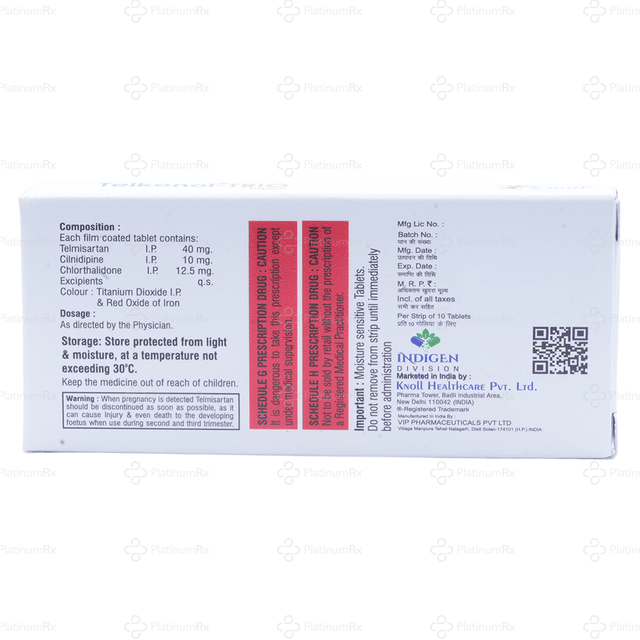
Every tablet of Hexartan-LNC Tablet holds three active ingredients, combined so that one daily tablet delivers all three:
- Cilnidipine - a calcium channel blocker that relaxes the muscle inside the walls of blood vessels.
- Telmisartan - an angiotensin II receptor blocker, or ARB, that blocks the hormone which tightens blood vessels.
- Chlorthalidone - a diuretic, or water pill, that helps the kidneys pass out extra salt and water.
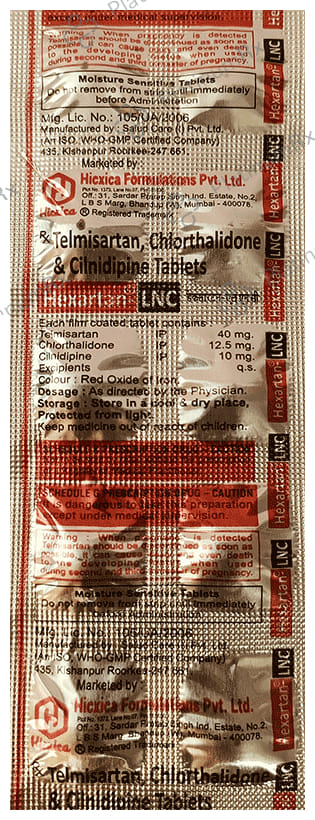
Your doctor chooses the strength that suits your blood pressure reading and your kidney function. Check the label on your own strip and take only the strength that was prescribed for you.
Uses of Hexartan-LNC Tablet
Hexartan-LNC Tablet is prescribed for adults, for the following.
Essential hypertension not controlled by one or two medicines
Essential hypertension is the everyday type of high blood pressure that has no single clear cause. Doctors use this triple tablet when one or two blood pressure medicines alone have not brought the reading down enough. High blood pressure usually causes no symptoms, so it is often found during a routine check rather than felt by the person who has it.
Each ingredient is also used on its own for high blood pressure
Cilnidipine, telmisartan and chlorthalidone are each prescribed for high blood pressure by themselves, and they are combined here for people who need more than one. Telmisartan is used alone or with other blood pressure medicines, chlorthalidone is used to treat high blood pressure, and cilnidipine is used for hypertension.
Benefits of Hexartan-LNC Tablet
- Three different actions in one tablet - Cilnidipine relaxes the blood vessel walls, telmisartan blocks the hormone that tightens them, and chlorthalidone removes extra salt and water. Each ingredient lowers the pressure in a different way, which is why doctors step up to a triple tablet for people who are already on one or two blood pressure medicines and whose reading is still too high.
- Once-a-day convenience - A single morning tablet is easier to remember than two or three separate medicines taken at different times.
- Useful when two medicines fall short - This is the step doctors take when a person is already on one or two blood pressure medicines and the reading is still too high.
- Less ankle swelling than older calcium channel blockers - Reviews of cilnidipine report a lower chance of swollen ankles than with amlodipine, a calcium channel blocker that blocks only L-type channels.
- A pulse that stays steady - Cilnidipine also blocks N-type calcium channels on nerve endings. Reviews report that it does not push the pulse rate up the way older L-type blockers can.
- Kidney support alongside pressure control - Research on cilnidipine reports less protein leaking into the urine than with amlodipine, which matters for people whose kidneys are already under strain from diabetes or long-standing high blood pressure.
Side Effects of Hexartan-LNC Tablet
Common Side Effects (Usually Mild and may lessen with continued use)
- Passing urine more often, especially in the first few weeks, because of the water pill.
- Dizziness or light-headedness, most often when you stand up quickly.
- Headache.
- Upset stomach, nausea, vomiting, loose motions, or loss of appetite.
- Tiredness.
- Back pain, or sinus pain and a blocked nose.
- Swelling of the ankles and feet. Reviews report that cilnidipine causes this less often than amlodipine, but it can still happen.
Serious Side Effects (Seek Urgent Medical Attention)
- Angioedema - a deep swelling of the face, lips, tongue, throat, hands or feet, sometimes with hoarseness or trouble breathing or swallowing. This is a medical emergency. The telmisartan label lists angioedema among the reactions reported after the medicine came to market, and notes that it has been fatal in some cases.
- Low potassium (hypokalemia) - thirst, tiredness, drowsiness, restlessness, muscle pain or cramps, nausea, vomiting, or a fast heartbeat. Chlorthalidone removes potassium along with sodium, and the label warns that this can happen with any diuretic.
- Toxic epidermal necrolysis - a rare, severe skin reaction in which the skin blisters and peels away. The chlorthalidone label lists it among the skin reactions reported with the medicine. Stop the tablet and get emergency help if your skin starts to blister or peel.
- Rhabdomyolysis - severe muscle pain, weakness and dark or cola-coloured urine, caused by muscle breaking down. This is rare but has been reported with telmisartan and other ARBs.
- Severe dizziness or fainting, which points to blood pressure falling too low.
- Signs of a kidney problem: passing much less urine than usual, or swelling of the body with breathlessness.
- Unusual bleeding or bruising, which can be a sign that the platelet count has dropped.
- A rash, itching, hives or swelling anywhere on the body.
Directions for Use
- Take Hexartan-LNC Tablet exactly as your doctor prescribes. The usual pattern is one tablet once a day.
- Take it in the morning with food. The chlorthalidone label recommends a single daily dose given in the morning with food, and says divided daily doses are not needed.
- Telmisartan may be taken with or without food, so taking the whole tablet at breakfast suits all three ingredients.
- Swallow the tablet whole with a full glass of plain water. Do not crush, chew, break or split it.
- Keep to the same time each day. A steady routine keeps the level of medicine in your body even.
- If you are told to follow a low-salt diet, keep it up. Salt works against the diuretic part of the tablet.
- Do not stop the tablet because you feel well. High blood pressure often feels like nothing at all, and the reading can climb again within days of stopping.
- Keep your follow-up appointments. Blood tests for potassium, sodium and kidney function are part of safe long-term use.
How it works
Cilnidipine - relaxing the vessel wall. Calcium channels are tiny gates in the muscle cells of blood vessel walls. When calcium flows through those gates, the muscle squeezes and the vessel narrows. Cilnidipine partly closes the L-type gates, so less calcium gets in, the muscle relaxes and the vessel widens. It also closes N-type gates, which sit on the nerve endings that release noradrenaline. With less noradrenaline released, there is less nerve-driven tightening of the vessels and less of the pulse-racing response that older calcium channel blockers can trigger. This double action is why cilnidipine is described in the medical literature as a dual L-type and N-type calcium channel blocker, and as a fourth-generation calcium channel blocker.
Telmisartan - blocking the tightening hormone. Angiotensin II is a hormone the body produces to raise blood pressure. It tightens the muscles in vessel walls and tells the kidneys to hold on to sodium and water. Telmisartan occupies the receptor that angiotensin II would normally use, so the hormone cannot deliver its message. The vessels stay wider, the kidneys pass out more sodium and water, and pressure falls. Because it sits on the receptor rather than blocking the making of the hormone, it is called an angiotensin II receptor blocker, or ARB.
Chlorthalidone - taking the fluid out. Most of the sodium filtered by the kidney is normally taken back into the body before the urine leaves. Chlorthalidone acts on the kidney tubules and makes them take back less sodium. Sodium carries water with it, so more water leaves the body as urine. The volume of fluid in the bloodstream drops, and the pressure inside the arteries drops with it.
Working together. The three ingredients lower pressure through three different routes: the vessels are relaxed, the hormone signal is blocked, and the fluid volume is reduced. A fixed triple tablet brings all three routes into one daily dose, which is why doctors choose it for some people whose reading stays high on one or two medicines.
Safety Advice for Hexartan-LNC Tablet

Pregnancy
Limited information
Do not take Chlorthalidone + Cilnidipine + Telmisartan during pregnancy. Telmisartan carries a boxed warning: medicines that act on the renin-angiotensin system can injure and kill the developing baby, and the label says to stop telmisartan as soon as pregnancy is detected. The label also directs that women who can become pregnant be told about this risk and that a pregnancy be reported to the doctor at once. Because of this, use effective contraception while taking Chlorthalidone + Cilnidipine + Telmisartan and speak to your doctor before you plan a pregnancy. Chlorthalidone crosses the placenta and can cause jaundice and a low platelet count in a newborn.

Breastfeeding
Limited information
Chlorthalidone passes into breast milk, and MedlinePlus advises against breastfeeding while taking it. Telmisartan appears in the milk of lactating rats, and its label advises nursing women not to breastfeed during treatment because of the chance of serious reactions in the baby, such as low blood pressure, high potassium and kidney problems.

Alcohol
Limited information
Alcohol makes the dizziness and light-headedness from this medicine worse, and the chlorthalidone label notes that it can worsen the drop in blood pressure that happens on standing. Ask your doctor how much, if any, alcohol is safe for you.

Driving
Limited information
Chlorthalidone + Cilnidipine + Telmisartan can cause drowsiness, dizziness, light-headedness or fainting, especially in the first days of treatment. Do not drive or use heavy machines until you know how the tablet affects you, and rise slowly from a sitting or lying position.

Kidney
Limited information
Tell your doctor about any kidney problem before you start. Chlorthalidone must not be used if you cannot pass urine at all, and in severe kidney disease it can push up the waste products in your blood. The telmisartan label warns that kidney function can worsen in people whose kidney blood supply is already reduced, so your doctor is likely to check your creatinine, a blood test that shows how well your kidneys are working, along with your potassium, during treatment. Because chlorthalidone removes potassium as it works, your doctor may also advise you to follow a low-salt diet, to eat more potassium-rich foods such as bananas, prunes, raisins and orange juice, or to take a potassium supplement. Do not start a potassium supplement or use a salt substitute that contains potassium unless your doctor agrees, because telmisartan can push potassium the other way, too high.

Liver
Limited information
Telmisartan is cleared mainly through the bile, so the label says to begin at a low dose and increase slowly when the liver is not working well or the bile duct is blocked. With chlorthalidone, even small changes in fluid and salt balance can bring on confusion and drowsiness in people with liver disease.

Children
Limited information
This combination is prescribed for adults. The chlorthalidone label states that its safety and effectiveness in children have not been confirmed, and the telmisartan label advises specialist support for any newborn exposed to it before birth.

Elderly patients
Limited information
Trials of telmisartan found no overall difference in safety or effectiveness between older and younger patients, though greater sensitivity in some older people cannot be ruled out. The chlorthalidone label advises starting at the lower end of the dose range and keeping an eye on kidney function in older patients.
Quick Tips for Hexartan-LNC Tablet
- Set a daily alarm or keep the strip next to your toothbrush so the morning dose is not forgotten.
- Swallow the tablet whole with plain water. Do not crush or chew it.
- Stand up slowly from bed or a chair for the first week or two.
- Take the tablet with breakfast rather than on an empty stomach.
- Cut back on salty foods such as pickles, papad, packaged namkeen and restaurant food.
- Keep up the everyday habits that help blood pressure: a balanced diet, at least 150 minutes of exercise a week, losing extra weight, not smoking, and limiting alcohol and caffeine.
- Do not start potassium supplements or potassium-containing salt substitutes on your own.
- Check your blood pressure at home if your doctor asks, and write the readings down.
- Chlorthalidone can make your skin more sensitive to sunlight. Avoid long or unnecessary sun exposure, and use protective clothing, sunglasses and sunscreen when you are out.
- Report any swelling of the face, lips or tongue immediately, without waiting for the next appointment.
- Keep every lab appointment for potassium, sodium and kidney tests.
Storage Advice
- Store at 20°C to 25°C (68°F to 77°F). Short trips outside this range are allowed between 15°C and 30°C (59°F and 86°F).
- Protect the tablets from light. Chlorthalidone should be kept in a tight, light-resistant container.
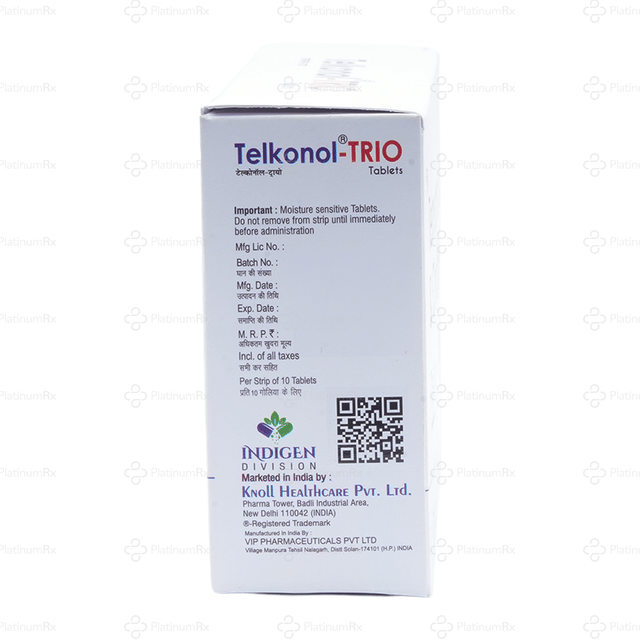
- Protect the tablets from moisture. The telmisartan label notes that the tablets take up moisture from the air, so keep them in the original bottle or blister pack and close it properly.
- Do not store them in the bathroom, near a sink, or anywhere damp or very hot.
- Keep the container tightly closed and out of the sight and reach of children, and away from pets.
- Do not remove the tablets from their packaging until you are ready to swallow one.
- Check the expiry date and return unused or expired tablets to a pharmacy take-back point rather than flushing them or throwing them in the bin.
- Never share your medicine with anyone else.
Drug-Food Interaction
- Salt - Sodium works against the diuretic ingredient, so a high-salt diet can blunt the effect of Hexartan-LNC Tablet. MedlinePlus advises following a low-salt or low-sodium diet while you take this medicine.
- Potassium-rich foods and supplements - Chlorthalidone removes potassium, so your doctor may suggest more potassium-rich foods such as bananas, prunes, raisins and orange juice. Telmisartan can raise potassium, so the two pull in opposite directions. Any potassium supplement must be prescribed, not self-started.
- Potassium-containing salt substitutes - The telmisartan label advises patients not to use potassium supplements or salt substitutes that contain potassium without checking with the prescribing doctor, because potassium can climb too high.
- Timing with meals - The chlorthalidone label recommends a single dose given in the morning with food. Telmisartan can be taken with or without food, so breakfast suits all three ingredients.
- Alcohol - Alcohol increases the dizziness and the fall in blood pressure on standing that this medicine can cause.
- Caffeine - NHS advice for people with high blood pressure is not to drink too much caffeine, including coffee, tea and cola.
- Fluid loss - Diarrhoea, vomiting, heavy sweating or not drinking enough can lower your blood pressure further and make you feel faint. Replace fluids and tell your doctor if it continues.
Interactions with Other Drugs
- Other blood pressure medicines - Chlorthalidone can add to the effect of other antihypertensives, including ganglionic and peripheral adrenergic blockers, older pressure medicines that act on the nerves. If two or more pressure-lowering medicines are used, the drop can be greater than expected.
- Aliskiren - The telmisartan label states that aliskiren must not be given with telmisartan in people with diabetes, and should be avoided when the kidney filtration rate is below 60 mL/min/1.73 m².
- ACE inhibitors and other ARBs - The telmisartan label advises avoiding combined use of medicines that act on the renin-angiotensin system, because doing so increases low blood pressure, high potassium and kidney changes. In the ONTARGET trial, telmisartan plus ramipril gave no extra benefit but more kidney problems.
- Digoxin - A heart medicine. The telmisartan label reports a rise in digoxin levels, with a median increase of 49 percent in peak concentration and 20 percent in trough concentration. Digoxin levels are usually monitored.
- Lithium - Reversible rises in blood lithium and lithium toxicity have been reported with ARBs, so lithium levels need monitoring.
- NSAIDs and COX-2 inhibitors - Painkillers such as ibuprofen and naproxen can reduce kidney function, in some cases causing acute kidney failure that is usually reversible, and can weaken the blood pressure effect. Kidney function is usually checked if these are needed long term.
- Potassium-sparing diuretics, potassium supplements and heparin - These raise the risk of high potassium when taken with telmisartan.
- Digitalis (digoxin) with chlorthalidone - Digitalis is the same heart medicine as digoxin. Low potassium from the diuretic can increase the heart effects of digitalis. Warning signs include dry mouth, thirst, weakness, lethargy, drowsiness, restlessness, muscle cramps, fatigue, low blood pressure, low urine output and a fast heartbeat.
- Diabetes medicines - The chlorthalidone label notes that insulin needs may rise, fall or stay the same, and that higher doses of oral diabetes medicines may be required. Latent diabetes may also become apparent.
- Corticosteroids and ACTH - These increase the risk of low potassium when taken with chlorthalidone.
- Tubocurarine and norepinephrine (hospital medicines) - These are given only in hospital: tubocurarine is a muscle relaxant used during surgery, and norepinephrine supports blood pressure in an emergency. Chlorthalidone increases the response to tubocurarine and decreases the arterial response to norepinephrine, so tell any hospital team treating you that you take this tablet.
Drug-Disease Interactions
- Inability to pass urine (anuria) - Chlorthalidone is contraindicated in anuria. Tell your doctor if you cannot urinate or find it difficult, because you may be advised not to take it.
- Severe kidney disease or a single working kidney - Chlorthalidone may push up waste products in the blood, and its effects can build up when kidney function is poor. Telmisartan can worsen kidney function where the kidney blood supply is already narrowed.
- Liver disease or blocked bile duct - Small shifts in fluid and salt can bring on confusion and drowsiness in liver disease, and telmisartan clearance falls, so the label advises starting low and going slowly.
- Diabetes - Aliskiren is contraindicated with telmisartan in diabetes. Chlorthalidone can raise blood sugar and may unmask latent diabetes.
- Gout or high uric acid - The chlorthalidone label states that high uric acid may occur or that gout may be brought on.
- Systemic lupus erythematosus (SLE) - SLE is a condition where the body attacks its own tissues. The possibility of flare or activation of SLE has been reported with thiazide diuretics, the family chlorthalidone belongs to.
- Sulfonamide allergy or any drug allergy - Chlorthalidone is contraindicated in people with a known hypersensitivity to chlorthalidone or other sulfonamide-derived drugs, sometimes called sulfa-type drugs. Sensitivity reactions are more likely in people with allergies or bronchial asthma.
- Previous angioedema or hypersensitivity to an ARB - This is a contraindication to telmisartan, which has been linked to angioedema with fatal outcome.
- Heart failure and volume depletion - The risk of high potassium with telmisartan is greater in advanced kidney impairment, heart failure, kidney replacement therapy, and in people taking potassium supplements or potassium-sparing diuretics. Symptomatic low blood pressure is more likely in people who are short of salt or fluid, such as those on high-dose diuretics.
- Dehydration from vomiting, diarrhoea or fever - Losing fluid lowers blood pressure further and can cause fainting.
- High calcium or parathyroid problems - Calcium excretion falls on chlorthalidone, and rare parathyroid changes with high calcium and low phosphate have appeared on thiazide therapy.
- Asthma or a history of bronchial asthma - Sensitivity reactions to chlorthalidone are more likely.
Daily Dose
Hexartan-LNC Tablet is a prescription tablet. The strength and the timing are decided by your doctor, and you should not change them yourself.
- Cilnidipine - In a randomised Indian study of newly diagnosed stage 1 high blood pressure, cilnidipine was given as 10 mg once daily, increased to 20 mg once daily if needed, for 8 weeks.
- Telmisartan - In the same study, telmisartan was given as 40 mg once daily, increased to 80 mg once daily if needed. The telmisartan label describes a starting dose of 40 mg once daily with a range of 40 mg to 80 mg once daily.
- Chlorthalidone - The chlorthalidone label describes a starting dose of 25 mg once daily when it is used alone for high blood pressure, rising to 50 mg and then 100 mg once daily if needed, and notes that doses above 100 mg a day usually do not work any better. In a fixed combination the diuretic is built in at a set strength chosen by the manufacturer, so the doctor selects the tablet that fits you.
- Maximum in 24 hours - One dose in 24 hours. Do not take an extra tablet because you missed one, and do not take two tablets in a day unless your doctor has told you to.
Overdose
Taking too much Hexartan-LNC Tablet can drop your blood pressure sharply and disturb the salt balance in your body.
- The chlorthalidone label lists nausea, weakness, dizziness and disturbances of electrolyte balance as the signs of an acute overdose.
- The telmisartan label lists low blood pressure, dizziness and a fast heartbeat as the likely signs, and notes that a slow heartbeat can also occur through vagal stimulation.
- There is no specific antidote for chlorthalidone. The label recommends stomach washout where appropriate and supportive treatment afterwards, which may include dextrose-saline given into a vein with potassium, handled with care.
- Telmisartan is not removed by hemofiltration and cannot be dialysed away.
- If you think you or someone else has taken too much, contact a doctor or a hospital emergency department immediately. Take the strip, bottle or box with you so the team knows exactly what was taken.
What If You Forget to take Hexartan-LNC Tablet?
- Take the missed dose as soon as you remember it, but only if most of the day is still ahead. A water pill taken late in the evening can have you waking through the night.
- If it is nearly time for your next morning dose, or you remember only late in the evening, skip the missed one and go back to your usual schedule.
- Never take two doses together to make up for a missed one.
- Do not take a double dose the next morning.
- If you forget often, ask your pharmacist about a pill organiser or set a daily reminder. Missing doses lets the blood pressure climb back up, and that is what raises the risk of stroke and heart problems over time.
When to contact doctor
Get medical help without delay if you notice any of these:
- Swelling of the face, lips, tongue, throat, hands or feet, or hoarseness, or trouble breathing or swallowing.
- Fainting, or dizziness so strong that you cannot stand.
- A fast, pounding or irregular heartbeat together with muscle cramps, severe weakness or thirst.
- Skin that blisters, peels, or comes away, or a spreading rash with fever.
- Unusual bleeding, bruising, or tiny red spots on the skin.
- Passing much less urine than usual, or no urine at all.
- Severe muscle pain, tenderness or weakness, with dark or cola-coloured urine.
- Ongoing vomiting or diarrhoea, or being unable to keep fluids down.
- Yellowing of the eyes or skin, or pain in the upper abdomen.
- You are pregnant, think you may be pregnant, or are planning a pregnancy.
- Any new symptom that worries you, or a home blood pressure reading that stays unusually low or unusually high.
FAQ
References
- TELMISARTAN Tablet Prescribing Information
- CHLORTHALIDONE Tablet Prescribing Information
- Telmisartan (2025-09-15)
- Chlorthalidone (2025-11-15)
- High Blood Pressure
- The fourth-generation Calcium channel blocker: Cilnidipine (Indian Heart Journal)
- Efficacy of Cilnidipine (L/N-type Calcium Channel Blocker) in Treatment of Hypertension: A Meta-Analysis of Randomized and Non-randomized Controlled Trials (2021-11-22)
- A Prospective, Randomized Open-Label Study for Assessment of Antihypertensive Effect of Telmisartan Versus Cilnidipine Using Ambulatory Blood Pressure Monitoring (START ABPM Study, Cardiology Research)
- High blood pressure (hypertension)
Fact Box
Therapeutic Class
Antihypertensive combination used to treat high blood pressure
Action Class
Calcium channel blocker plus angiotensin II receptor blocker (ARB) plus diuretic
Chemical Class
Dihydropyridine (cilnidipine), non-peptide biphenyl angiotensin II receptor antagonist (telmisartan), sulfonamide-derived diuretic (chlorthalidone)
Habit Forming
No
Disclaimer
PlatinumRx is committed to providing reliable and accurate information to support informed customer decisions. However, all information made available on the Platform, including product descriptions, comparisons, and other content, is provided solely for general informational purposes. Such information is not intended to diagnose, prevent, treat, or cure any medical condition, nor should it be relied upon as a substitute for professional medical advice, diagnosis, or treatment.

Customers also bought


More Medicines By Hicxica Formulations Pvt. Ltd.
More Medicines With Chlorthalidone 12.5mg + Cilnidipine 10mg + Telmisartan 40mg
Top Selling Medicines
Top Selling Devices
Top Selling Health Products