Enzoflam Tablet: Uses, Dosage, Side Effects & FAQs
Last Updated: November 9, 2026


Written by:
Syed Jommy Abbas, B. Pharma
Reviewed by:
Dr. Sekh Addil, MBBSLast updated on:09-Nov-2026
Article Details
Written by: PlatinumRx Editorial Team
Published on: 9 November 2026
Last reviewed on: 9 November 2026
Next review due: 9 November 2027
Summary
Enzoflam is a tablet for short-term pain and swelling after a bone or soft-tissue injury, and after surgery. It is a prescription-only medicine in India, so it cannot be bought without a valid doctor's prescription. Each tablet carries three medicines: diclofenac, which eases pain and brings swelling down; paracetamol, which eases pain and lowers fever; and serratiopeptidase, an enzyme included to help swollen tissue settle.
Key Takeaways
- What it is: A three-medicine tablet for short-term injury and post-surgery pain and swelling.
- Active ingredients: Diclofenac, paracetamol and serratiopeptidase.
- Used for: Pain and swelling after a bone or soft-tissue injury, or after an operation.
- Not meant for: Children, long-term use, or anyone with a stomach ulcer, heart disease or an NSAID allergy.
- Prescription: Needed in India. Do not buy it without a doctor's prescription.
- How to take: Swallow whole with water, preferably with or just after food.
- Common side effects: Indigestion, stomach pain, nausea and loose motions; usually mild.
What Is Enzoflam?
Enzoflam is a fixed-dose combination tablet: three medicines pressed into one tablet, so you cannot adjust them separately. The diclofenac, paracetamol and serratiopeptidase always come together in the same proportion.
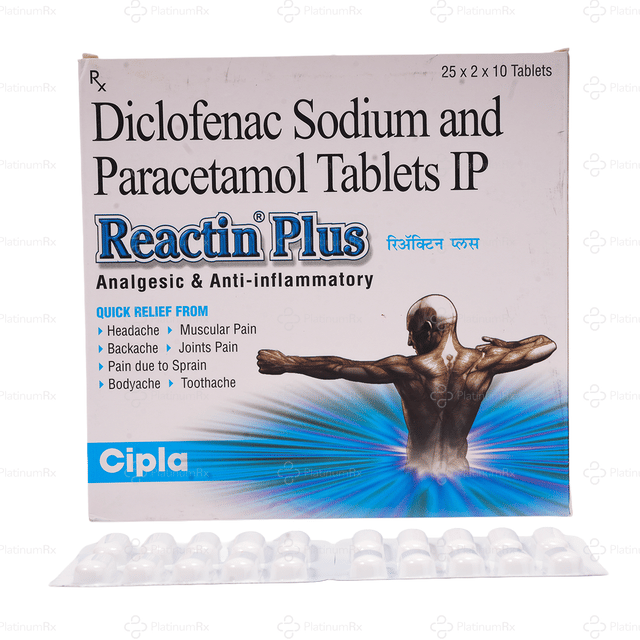
Enzoflam Composition (Per Tablet)
| Ingredient | Amount | Type | What it does (in simple words) |
|---|---|---|---|
| Diclofenac sodium | 50 mg | NSAID | Eases pain and brings swelling down. |
| Paracetamol | 325 mg | Painkiller, fever reducer | Eases pain and lowers fever; does not touch swelling. |
| Serratiopeptidase | 15 mg | Enzyme | Included to help swollen tissue settle. |
Check the ingredients printed on your own strip against this list. Packs with a different name or suffix can contain different medicines, so do not assume they are the same.
How Does Enzoflam Work?
Think of it as three helpers working on the same sore, swollen area, each with a different job:
- Turn the swelling down: Diclofenac blocks the enzyme your body uses to make prostaglandins, the chemicals that make an injured area feel sore and puffy. Result: less swelling and less pain at the injury.
- Blunt the ache: Paracetamol changes the way your brain senses pain, and it also brings a fever down. Result: the ache feels duller and a fever comes down.
- Break up the fluid: Serratiopeptidase is an enzyme that is supposed to break down the proteins in the fluid that collects around an injury. Result: trapped fluid is broken down and drains away.
Together, they ease the ache and swelling while the injury settles.
Uses of Enzoflam
Doctors usually prescribe Enzoflam for:
- Bone injuries, such as a fracture, where the area is sore and swollen
- Soft-tissue injuries, like a badly sprained joint, pulled muscle or strained ligament
- After surgery, to settle the pain and stiffness that follow an operation
- Post-operative oedema, the puffiness around a healing wound
It does not heal the injury itself and it does not fight infection. Your doctor also weighs the heart risk of diclofenac before prescribing it.
Injury Pain vs Long-Term Arthritis Pain: Is Enzoflam Right for You?
| Pain type | What it feels like | Sign or pattern | Is Enzoflam suitable? | What usually helps |
|---|---|---|---|---|
| Injury or post-surgery pain | A sore, swollen area after a fall, twist or operation | Worst in the first few days, then slowly better | Yes, for a short prescribed course | Rest, ice, elevation and the prescribed course |
| Long-term arthritis pain | Stiff, aching joints over months | Flares up, settles, then returns | Only on your doctor's advice | A long-term plan from your doctor, not a daily painkiller |
Do not take it for months without a review. Over weeks, the diclofenac raises the risk of stomach bleeding, kidney strain and heart problems.
How to Take Enzoflam Tablet
- Swallow the tablet whole with a glass of water. Do not crush, chew or break it.
- Take it preferably with food or just after a meal, to protect your stomach.
- Follow the timing your doctor gave you.
- Take the lowest dose that helps, for the shortest time it is needed.
- Stop when the short course ends and ask your doctor before starting it again.
Dosage of Enzoflam
Your doctor sets the dose from your age, weight, the injury and your kidney and liver function. The label for this tablet states a maximum of two tablets a day for adults, usually one in the morning and one in the evening.
Never take more than that on your own. A third tablet does not ease pain faster, but it does strain your stomach and liver.
Do not give Enzoflam to a child; a child needs a paediatrician and a child-strength medicine.
Taking too much is an emergency even if you feel completely well, because paracetamol can damage the liver before any symptom appears. Go to the nearest hospital emergency department and carry the strip with you; call 108 for an ambulance if the person is unconscious, has a fit or is struggling to breathe.
What If You Miss a Dose?
Take it as soon as you remember, unless the next dose is only a few hours away. If it is nearly time, skip the missed one. Never take two tablets to make up for it.
How Long Does It Take to Work?
The pain usually eases before the swelling does; swelling takes a few days to settle. If nothing has improved after 3 days, or symptoms are worse, go back to your doctor.
Storage
Keep the strip in a cool, dry place, away from sunlight and steam. Keep it out of reach of children, and do not use it after the expiry date.
Side Effects of Enzoflam
Most people take Enzoflam without any trouble. When side effects happen, they are usually mild and settle once the course stops.
Common and mild:
- Indigestion, heartburn or a sour stomach
- Stomach pain or cramps
- Feeling sick or loose motions
- Headache or dizziness
- A mild skin rash
Rare but serious (stop the medicine and see a doctor right away):
- Vomiting blood, or black, sticky, tar-like stools
- Swelling of the face, lips, tongue or throat, or trouble breathing
- A rash that blisters or peels
- Passing very little urine, or new swelling in your ankles and feet
- Chest pain, breathlessness, or weakness on one side of the body
Nearly all of these come from diclofenac. They are more likely at higher doses, on courses that run for weeks, and in people over 65. The risk is also higher if you take a blood thinner or another NSAID.
Serratiopeptidase can occasionally cause a nosebleed or coughing up blood.
Who Should Not Take Enzoflam
- Anyone allergic to diclofenac, paracetamol or any other ingredient
- Anyone who has wheezed or swollen after aspirin or another NSAID
- Anyone with a stomach ulcer or stomach bleeding, past or present
- Anyone with heart failure, a past heart attack, stroke or blocked arteries
- Anyone who is breastfeeding — the label says it must not be taken
- Anyone in the last 3 months of pregnancy
- Children — this tablet is made for adults
Precautions
Tell your doctor before taking Enzoflam if you:
- Have high blood pressure, high cholesterol or diabetes, or smoke (all add to the heart risk of diclofenac)
- Have kidney or liver problems (your dose may need checking)
- Have asthma, or have ever wheezed after a painkiller (NSAIDs can trigger an attack)
- Have had a stomach ulcer or stomach bleeding before — your doctor may add stomach protection with painkillers
- Are pregnant or trying to conceive (diclofenac can affect fertility and is avoided late in pregnancy)
- Are over 65 (stomach bleeding and kidney strain are more likely)
Drug Interactions
| Medicine | What can happen |
|---|---|
| Blood thinners and antiplatelets (warfarin, aspirin, clopidogrel) | Higher chance of bleeding |
| Other NSAIDs or steroid tablets (ibuprofen, naproxen, prednisolone) | More stomach ulcers and bleeding |
| Blood pressure medicines and water tablets (ACE inhibitors, diuretics) | Blood pressure may rise and kidneys come under strain |
| Lithium or digoxin | Levels of these medicines can climb too high |
| Methotrexate | Levels rise, and its side effects get worse |
| Ciclosporin or tacrolimus | Higher risk of kidney damage |
| Quinolone antibiotics (ciprofloxacin, levofloxacin) | Fits have been reported when taken with NSAIDs |
| Cold and pain products containing paracetamol | You end up taking a double dose of paracetamol |
Always tell your doctor about every medicine, supplement or home remedy you are using. Alcohol is best avoided on this tablet; it raises the chance of stomach bleeding and strains your liver.
Frequently Asked Questions About Enzoflam
When to See a Doctor
A tablet only eases symptoms while your body heals. Go back to your doctor quickly if you have:
- Vomiting blood, or passing black, sticky stools — go to hospital now
- Swelling of the face, lips or tongue, or trouble breathing — get emergency help
- Blistering or peeling skin, or a rash that spreads — stop the tablet and seek care
- Passing very little urine, or new swelling in your ankles — have your kidneys checked
- Chest pain, breathlessness, or weakness on one side — treat it as an emergency
- Stomach pain that is severe or will not settle — get it checked
The Bottom Line
Enzoflam is a short-course tablet for pain and swelling after an injury or an operation. Take it exactly as your doctor advised, preferably with food, and for no longer than the few days it is meant for. Indigestion, stomach pain and loose motions are the usual complaints, and they normally settle when the course ends. Stop and call your doctor at once if you vomit blood, pass black stools, or swell around the face.
References

Add PlatinumRx as a preferred source on Google