Medicine for Asthma
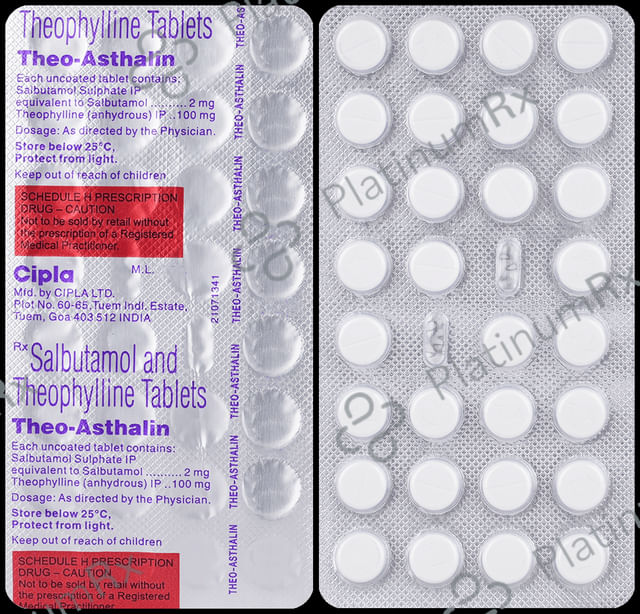
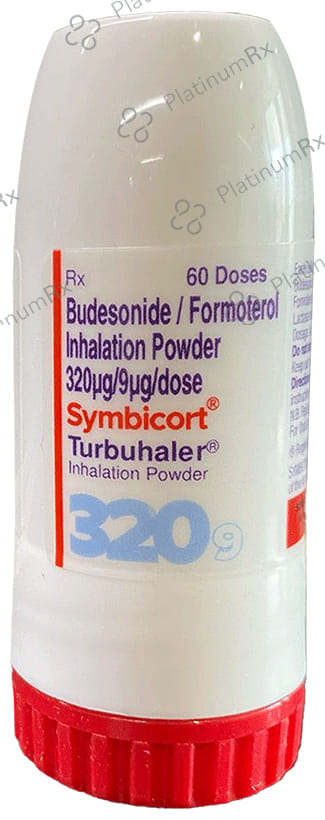
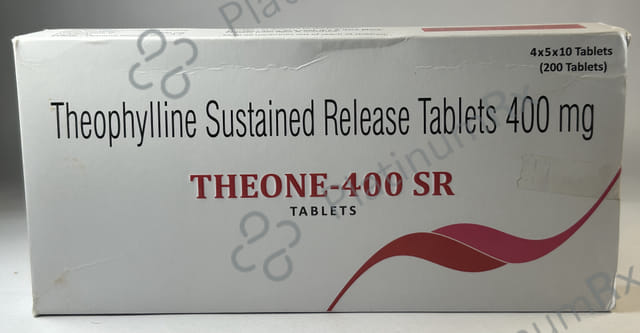
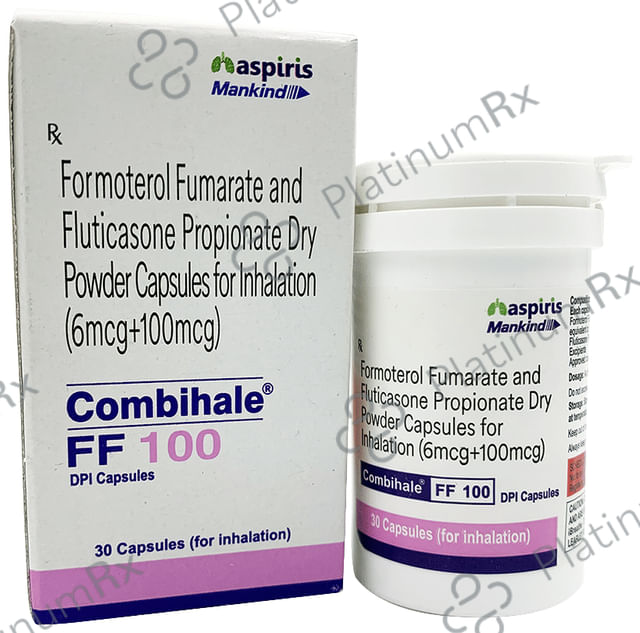
Types of Medicines Used for Asthma
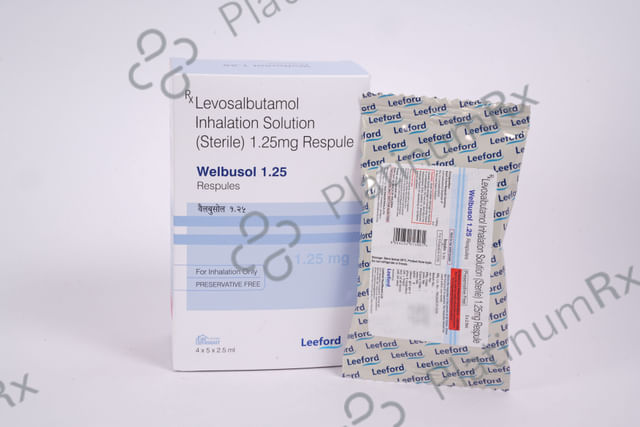
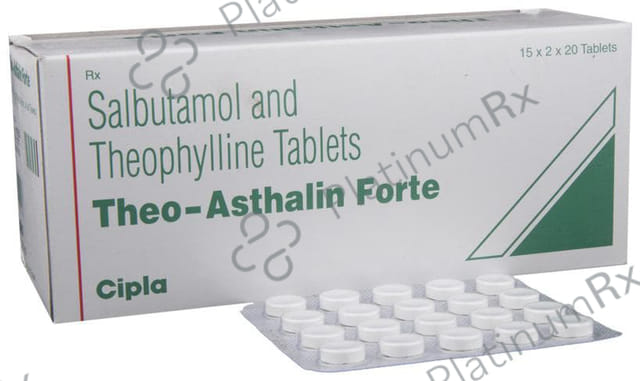
- Short-acting bronchodilators (relievers) These act quickly to relax the muscles around the airways, giving fast relief during an asthma attack. They're often called "rescue" inhalers.
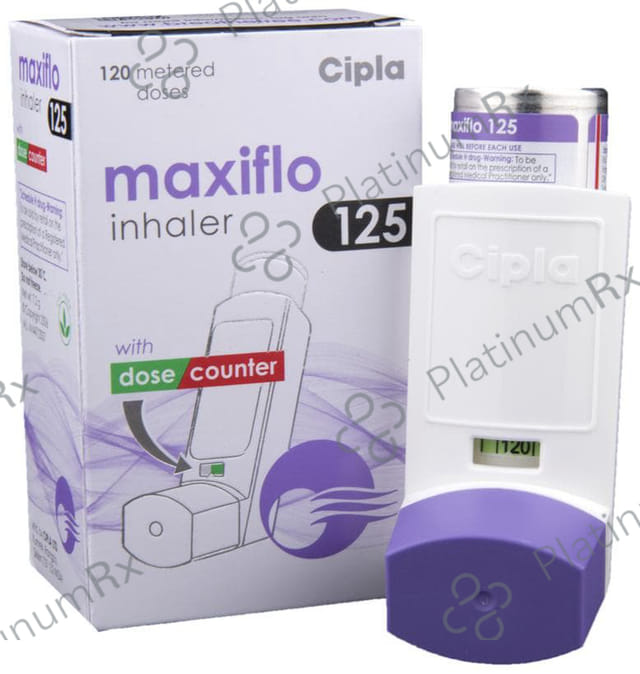
- Long-acting bronchodilators These keep airways open over a longer period and are usually used alongside a preventer medicine, not on their own.
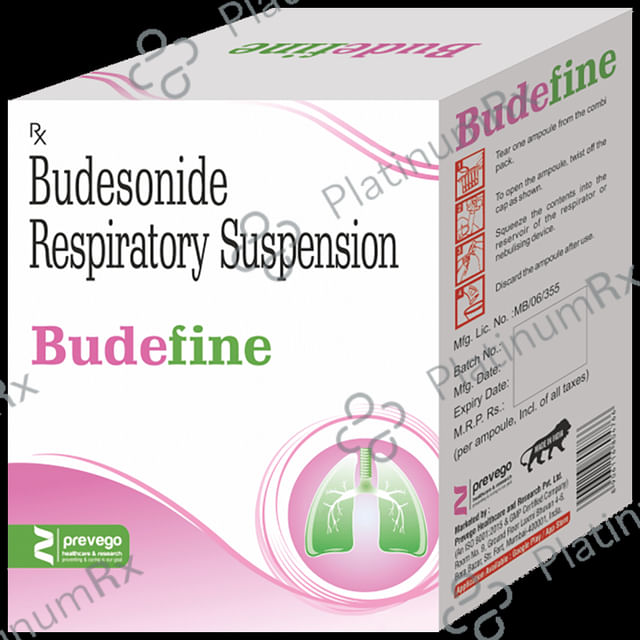
- Inhaled corticosteroids (preventers) These reduce inflammation and swelling in the airways over time, helping prevent attacks from happening. They need to be used regularly, even when you feel fine (NHLBI).
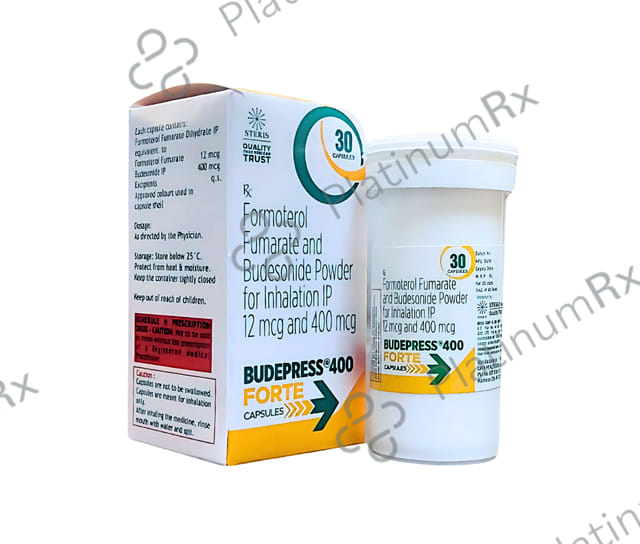
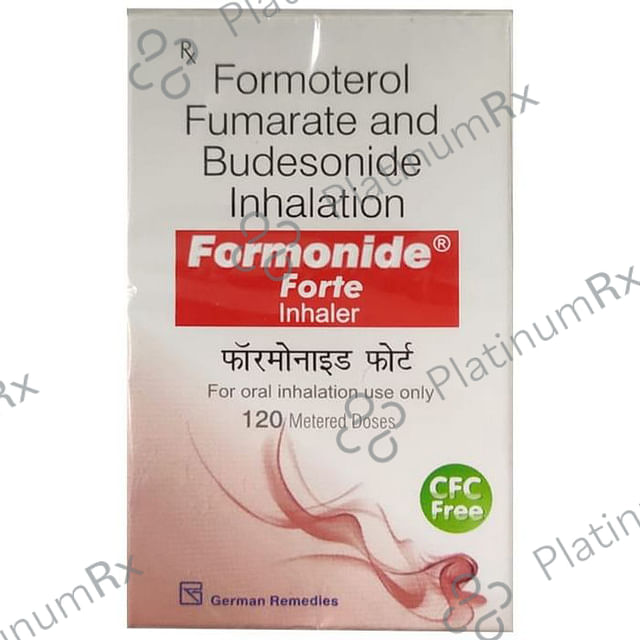
- Combination inhalers These combine a bronchodilator and a corticosteroid in one device, offering both symptom control and long-term prevention.
- Leukotriene modifiers Tablets that help reduce inflammation, sometimes used alongside inhalers, particularly for allergy-related asthma.
- Oral corticosteroids Usually reserved for short courses during severe flare-ups, to quickly bring inflammation under control.
How Do Medicines for Asthma Work?
Medicines for asthma work in different ways depending on their active ingredients. Bronchodilators relax the tightened muscles around your airways so air can move more freely. Inhaled corticosteroids work more slowly, reducing swelling and inflammation inside the airways so attacks are less likely to happen in the first place. That's why doctors often prescribe a reliever for immediate symptoms and a "preventer" for long-term control.
How to Choose the Right Medicine for Asthma?
The right medicine depends on several personal factors, including:
- How often you have symptoms and how severe they are
- Your specific asthma triggers
- Your age
- Other health conditions you may have
- Other medicines you're currently taking
- Your doctor's assessment and prescription
- How well your symptoms are currently controlled
Dosage & How to Take Medicines for Asthma
Dosage and technique vary between different asthma medicines and inhaler devices, so there's no single routine that fits everyone. Always follow what your doctor has prescribed.
General points to keep in mind:
- Use reliever inhalers only as needed for sudden symptoms, unless your doctor advises otherwise
- Use preventer inhalers regularly, even on days you feel well
- Correct inhaler technique matters ask your pharmacist to show you if you're unsure
- If you miss a dose of a preventer medicine, continue with your next scheduled dose rather than doubling up
- Never stop a preventer medicine suddenly without your doctor's advice, even if symptoms improve
- Keep track of how often you're using your reliever inhaler, and mention it to your doctor if you're needing it more often
Side Effects & Precautions
Common Side Effects
Depending on the medicine, you may notice a mild sore throat, hoarseness, or a fungal infection in the mouth (with inhaled corticosteroids, usually reduced by rinsing your mouth after use). Bronchodilators can sometimes cause a fast heartbeat or mild tremors.
Precautions
- Inform your doctor about any known allergies before starting a new medicine
- Let your doctor know about heart conditions, as some bronchodilators can affect heart rate
- Pregnant or breastfeeding women should only use asthma medicines advised by their doctor
- Some asthma medicines can interact with other drugs, including certain heart or blood pressure medicines
- Children and older adults may need different doses or devices, based on medical advice
- Avoid known personal asthma triggers alongside your medicines for better overall control
Buy Medicine for Asthma Online from PlatinumRx
You can buy medicines for asthma online from PlatinumRx. Browse medicines by their composition, compare available options and prices, and choose the medicine prescribed or recommended by your healthcare professional. PlatinumRx offers medicines from multiple brands and provides convenient online ordering and delivery.