Medicine for Abdominal Pain
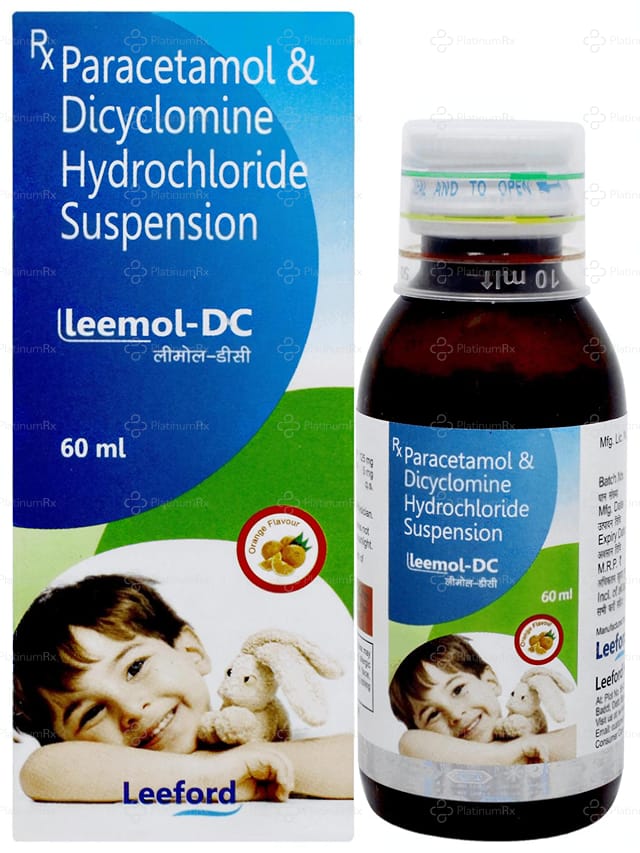





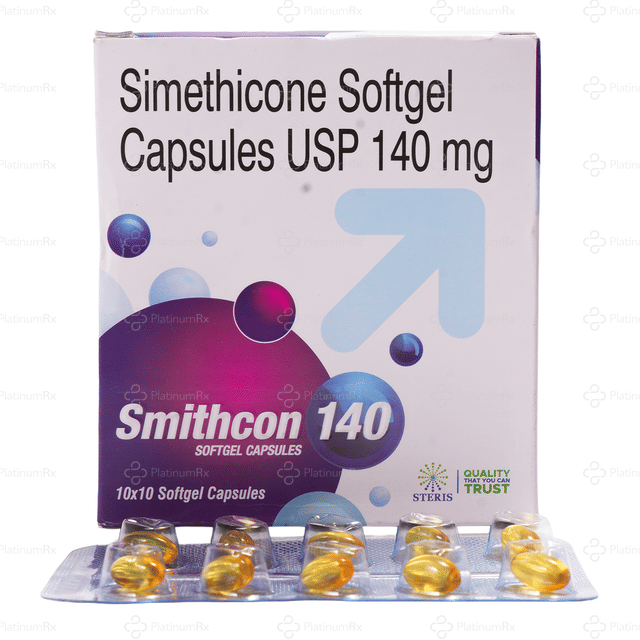

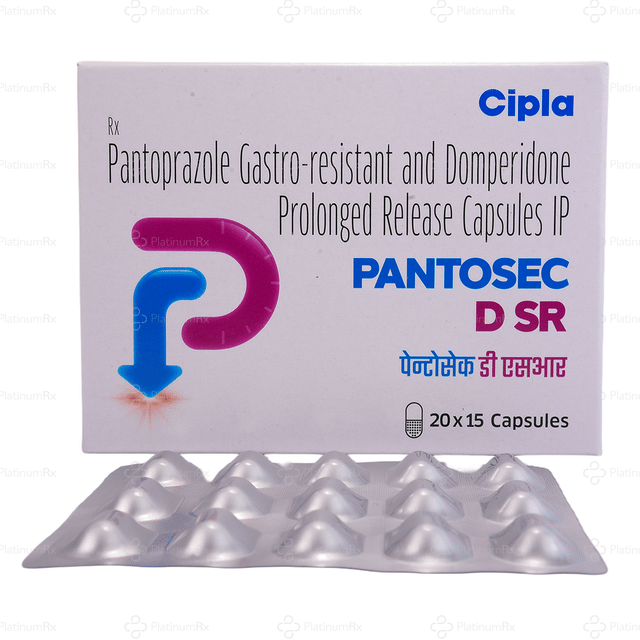
Abdominal pain is a common problem that can happen for many reasons. It may start suddenly or develop slowly over time. The pain can be mild or severe and may affect your daily activities.
The best medicine for stomach pain depends on what is causing it. Common causes include gas, acidity, indigestion, constipation, and stomach cramps.
Medicines such as antacids may help with acidity, while other medicines may be used for gas or stomach cramps. The right medicine depends on your symptoms and the cause of the pain.
What Is Stomach/Abdominal Pain?
Stomach pain is pain or discomfort in the belly area, between the chest and the lower belly. It may feel like a sharp pain, a dull ache, burning, or cramps. The pain may go away on its own or last longer, depending on the cause.
Different Types of Stomach Pain
Stomach pain can feel different depending on what is causing it. Understanding your symptoms can help you identify the possible reason for the pain.
- Burning pain: A burning feeling in the stomach may be caused by acidity or acid reflux.
- Cramping pain: Pain that comes and goes may happen due to gas, stomach cramps, or diarrhoea.
- Pain with bloating: A full or swollen belly may be caused by gas or indigestion.
- Pain with vomiting or diarrhoea: This may happen due to a stomach infection or food poisoning.
- Severe stomach pain: Very strong or sudden pain may be a sign of a serious problem and needs urgent medical attention.
Types of Medicines Used for Abdominal Pain
- General Pain Relievers (Analgesics) Mild pain relievers such as paracetamol are often used for general abdominal discomfort. Stronger anti-inflammatory painkillers are generally avoided for stomach pain unless a doctor advises otherwise, since they can irritate the stomach lining and worsen certain causes of pain.
- Antispasmodics These relax the muscles of the stomach and intestines, easing cramping or colicky pain caused by spasm.
- Antacids and Acid-Reducing Medicines When pain comes with a burning feeling or is linked to acidity, medicines that reduce or neutralise stomach acid can help.
- Anti-gas / Digestive Aids These help break down trapped gas and ease bloating-related discomfort.
- Laxatives / Stool Softeners If pain is linked to constipation, medicines that ease stool movement can relieve the associated discomfort.
How Do Medicines for Abdominal Pain Work?
Medicines used for abdominal pain work in different ways depending on their active ingredients and the type of pain. General pain relievers work by blocking pain signals in the body. Antispasmodics relax tightened gut muscles to ease cramping. Antacids neutralise or reduce stomach acid, anti-gas medicines break down trapped gas bubbles, and laxatives ease stool movement each targeting a different likely cause rather than pain in general.
How to Choose the Right Medicine for Abdominal Pain
Choosing the right medicine depends on the individual and the nature of the pain, not just the product name. Key factors include:
- The character of the pain (cramping, sharp, burning, dull ache) and where it's located
- The likely underlying cause
- Severity and duration of symptoms
- Active ingredient / salt
- Age
- Medical history (e.g., ulcers, kidney or liver conditions)
- Other medicines currently being taken
- A doctor's prescription or recommendation.
Dosage and How to Take Medicines for Abdominal Pain
- Dosage depends on the specific medicine and your doctor's advice
- Always follow the prescribed dose and duration
- Take at the recommended timing and frequency
- Some medicines work best with food, others without check the label or ask your pharmacist
- If you miss a dose, take it as soon as you remember, unless it's close to your next dose don't double up
- Do not increase, decrease, or stop the medicine on your own without medical advice
Side Effects and Precautions
Common Side Effects
Some medicines used for abdominal pain may cause mild nausea, dizziness, dryness of the mouth, drowsiness, or a change in bowel movement (constipation or loose motions). Most side effects are mild and settle on their own.
Precautions
- Known allergies to any medicine ingredient
- Existing conditions such as ulcers, heart, liver, or kidney disease
- Pregnancy or breastfeeding check with a doctor first
- Possible interactions with other medicines
Extra caution for children and elderly patients
- Sudden, severe, or steadily worsening
- Accompanied by high fever, persistent vomiting, or an inability to keep fluids down
- Associated with blood in vomit or stool, or black, tarry stools
- Paired with a rigid, board-like, or extremely tender abdomen
- Occurring alongside fainting, rapid heartbeat, or breathing difficulty
- Following a recent injury to the abdomen
- Present during pregnancy with significant pain
Buy Medicine for Abdominal Pain Online from PlatinumRx
You can buy medicines for abdominal pain online from PlatinumRx. Browse medicines by their composition, compare available options and prices, and choose the medicine prescribed or recommended by your healthcare professional. PlatinumRx offers medicines from multiple brands and provides convenient online ordering and delivery.