


More About Miconazole
Quick Summary
Miconazole is a broad-spectrum imidazole antifungal medication used to treat many fungal and yeast infections. It is effective against skin, vaginal, oral, and nail infections, including athlete’s foot, ringworm, jock itch, and candidiasis (yeast infections). By inhibiting the synthesis of ergosterol (a vital component of fungal cell membranes), it disrupts the structure of the fungi, leading to the elimination of the infection. It is available in various formulations, including topical creams, powders, vaginal suppositories, and oral gels, allowing for targeted treatment based on the site of infection.
Detailed Description
Miconazole is an antifungal medicine belonging to the imidazole class. It is widely used to treat fungal and yeast infections caused by organisms such as Candida species and dermatophytes. These infections commonly affect the skin, mouth, and genital areas. In addition, it may show mild activity against certain Gram-positive bacteria, which can help in cases where secondary bacterial infection is present along with fungal inflammation.
It works by blocking a key fungal enzyme involved in building the cell membrane. This disrupts the production of ergosterol, an essential component of the fungal cell wall. Without it, the cell membrane becomes weak and damaged, leading to leakage of cell contents and eventual death of the fungus. This helps clear the infection and relieve symptoms such as itching, redness, irritation, and discharge.
Clinically, it is used for fungal/yeast skin infections, including athlete’s foot, ringworm, jock itch, and other superficial skin infections. It is also effective in treating vaginal yeast infections, oral thrush, diaper rash associated with Candida, and fungal infections of the nails.
Miconazole is available in several formulations such as topical creams, ointments, lotions, powders, sprays, vaginal creams, suppositories or ovules, oral gels, and buccal tablets. These different forms allow targeted treatment depending on the site of infection. Since it is minimally absorbed into the bloodstream when used locally, it generally has a low risk of systemic side effects and is considered safe for routine antifungal treatment when used as directed.
Uses of Miconazole
Miconazole may be indicated by your doctor for:
Fungal Skin Infections
Treatment of athlete’s foot (tinea pedis), ringworm (tinea corporis), and jock itch (tinea cruris).
Vaginal Yeast Infections
Management of vulvovaginal candidiasis, providing relief from itching, burning, and discharge.
Oral Thrush
Treatment of fungal infections of the mouth and throat (oral candidiasis).
Fungal Nail Infections
Management of onychomycosis.
Diaper Dermatitis
Treatment of diaper rash complicated by Candida infection in infants.
Pityriasis Versicolor
For the treatment of fungal patches that cause skin discolouration.
Benefits of Miconazole
Miconazole may provide benefits such as:
- Offers broad-spectrum activity against many different types of fungi and yeasts.
- Provides rapid symptomatic relief from itching, scaling, and redness.
- The availability of powders and sprays helps keep affected areas (like feet) dry during treatment.
- High cure rates for common yeast infections with short-course vaginal therapies.
- Provides a protective barrier in cream and ointment forms to soothe irritated skin.
- Minimal systemic absorption, reducing the likelihood of internal side effects.
Side Effects of Miconazole
Miconazole is generally well-tolerated, with most side effects being localised to the area of application.
Common side effects of Miconazole may include:
- Local skin irritation or redness
- Mild burning or stinging sensation
- Itching at the site of application
- Dryness or peeling of the skin
Uncommon side effects of Miconazole may include:
- Contact dermatitis (allergic skin rash)
- Nausea or abdominal discomfort (with oral gel forms)
Serious side effects that may require immediate medical attention include:
- Severe Allergic Reaction: Swelling of the face, lips, or tongue, or difficulty breathing.
- Severe Blistering: Unusual skin breakdown or painful blisters at the application site.
- Always consult your doctor if you notice any persistent or concerning reactions while using Miconazole.
Directions for Use
Use Miconazole exactly as directed by your doctor based on the prescribed form.
- Topical Cream/Ointment: Clean and dry the affected area. Apply a thin layer and rub in gently, usually twice daily.
- Topical Powder: Sprinkle liberally over the affected area, especially in skin folds or between toes. Often used to prevent re-infection in shoes and socks.
- Vaginal Preparations: Insert the cream or suppository high into the vagina using the provided applicator, usually at bedtime. Continue the full course even during menstruation.
- Oral Gel: Apply the prescribed amount to the affected area of the mouth after meals. Do not swallow immediately; keep it in contact with the affected area for as long as possible.
- Wash your hands before and after application.
- Continue using the medication for the full time prescribed, even if symptoms disappear quickly, to prevent the infection from returning.
How it works
Miconazole works by inhibiting the synthesis of ergosterol, a primary sterol found in the fungal cell membrane. It inhibits the enzyme lanosterol 14α-demethylase, which is necessary for creating the fungal cell wall. Without ergosterol, the fungal cell membrane becomes unstable and permeable. This leads to the leakage of essential cellular components and inhibits the growth of the fungus (fungistatic action) or causes cell death (fungicidal action). Additionally, Miconazole leads to the accumulation of toxic peroxides within the fungal cell, further contributing to the elimination of the infection.
Safety Advice for Miconazole

Pregnancy
Caution
Vaginal and topical forms are often used, but should only be used under medical supervision during the first trimester.

Breastfeeding
Safe
Generally safe for topical use, but ensure the infant does not come into direct contact with the treated area (especially on the breast).

Driving
Safe
This medication does not affect alertness or coordination.

Liver
Safe
Topical and vaginal forms are not significantly absorbed; however, use oral forms with caution if you have severe liver disease.

Kidney
Safe
No specific dosage adjustments are required for topical use.

Alcohol
Safe
No direct interaction is expected with topical or vaginal forms.
Quick Tips for Miconazole
- For athlete's foot, pay special attention to the spaces between the toes and wear clean cotton socks daily.
- If using the vaginal cream, avoid using tampons, douches, or spermicides during treatment.
- Miconazole vaginal products may damage the latex in condoms and diaphragms; use alternative birth control methods during treatment.
- Complete the entire course of treatment even if symptoms improve to ensure the fungus is completely eradicated.
- If treating oral thrush, ensure dentures are cleaned thoroughly to prevent re-infection.
Storage Advice
- Store at room temperature in a cool, dry place.
- Keep tubes and bottles tightly closed.
- Protect from direct heat and sunlight.
- Keep out of the reach of children and pets.
Drug-Food Interaction
- General Diet (NO CLINICALLY RELEVANT INTERACTION): Standard food and beverages do not interfere with the action of topical or vaginal Miconazole.
Interactions with Other Drugs
- Warfarin (SEVERE): Miconazole (even in vaginal or oral gel forms) can significantly increase the blood-thinning effect of Warfarin, increasing the risk of bleeding. Consult your doctor if you are on anticoagulants.
- Oral Hypoglycemics (MODERATE): May increase the levels of certain diabetes medications, potentially leading to low blood sugar.
- Phenytoin (MODERATE): Systemic absorption of miconazole may increase the levels of phenytoin in the blood.
Drug-Disease Interactions
- Hypersensitivity (SEVERE): Do not use if you have a known allergy to Miconazole or other imidazole antifungals (like Clotrimazole or Ketoconazole).
- Porphyria (CAUTION): Systemic absorption (rare) may potentially trigger issues in patients with porphyria.
Overdose
Overdose from topical or vaginal use is unlikely. If the medication is accidentally swallowed (especially in large amounts of the cream or vaginal forms), it may cause nausea or vomiting. Contact a healthcare provider if accidental ingestion occurs.
What If You Forget to take Miconazole?
Apply the missed dose as soon as you remember. If it is almost time for the next application, skip the missed dose and return to your regular schedule. Do not apply a double amount to make up for a missed dose.
Fact Box
Therapeutic Class
Antifungal Agent
Action Class
Ergosterol Synthesis Inhibitor
Chemical Class
Imidazole Antifungal
Habit Forming
No
Checkout Editorial Policy
Miconazole in other salts
Top Selling Medicines
Top Health Products
Top Selling Devices
Related Medications

Miconazole 2% w/w
₹85
₹134.5
MRP ₹164.1
Miconazole 2% w/w
₹67

₹19.2
MRP ₹29.9
Miconazole 2% w/w
₹99
₹19.2
MRP ₹29.9
Miconazole 2% w/w
₹35
₹19.2
MRP ₹29.9
Miconazole 2% w/w
₹19.2
MRP ₹29.9
Miconazole 2% w/w
₹195.9
₹19.2
MRP ₹29.9
Miconazole 2% w/w
₹16.9
₹19.2
MRP ₹29.9
Miconazole 2% w/w
₹28.6
₹19.2
MRP ₹29.9
Miconazole 2% w/w
₹22.5
₹19.2
MRP ₹29.9
Miconazole 2% w/w
₹34.7
₹19.2
MRP ₹29.9
Miconazole 2% w/w
₹84.4
₹19.2
MRP ₹29.9
Miconazole 2% w/w
₹18.5
MRP ₹37
Miconazole 2% w/w
₹106.9
₹19.2
MRP ₹29.9
Miconazole 2% w/w
₹32.8
₹19.2
MRP ₹29.9
Miconazole 2% w/w
₹36.6
₹19.2
MRP ₹29.9
Miconazole 2% w/w
₹84.4
₹19.2
MRP ₹29.9
Miconazole 2% w/w
₹187.5
₹19.2
MRP ₹29.9
Miconazole
₹26.2

Miconazole nitrate + Permethrin
₹75
Chlorhexidine Gluconate + Miconazole
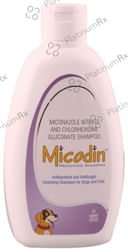
₹140
Clobetasol NA + Miconazole NA
₹37.5
Clobetasol NA + Miconazole NA
₹37.1
Clindamycin 100mg + Miconazole 200mg
₹79
Clindamycin 100mg + Miconazole 200mg
₹112.5
Miconazole 2% w/w
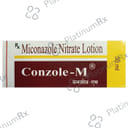
₹60