


More About Diphenhydramine
Quick Summary
Diphenhydramine contains diphenhydramine, a first-generation antihistamine used for the relief of allergic conditions, motion sickness, short-term insomnia, and cough suppression. It works by competitively blocking H1 histamine receptors and also exerts anticholinergic and sedative effects through central nervous system penetration. Its sedative properties, while a side effect in allergic indications, are therapeutically utilised in sleep and motion sickness management. Always use Diphenhydramine exactly as directed by your doctor.
Detailed Description
Diphenhydramine contains diphenhydramine, a first-generation ethanolamine-class antihistamine with antihistaminic, anticholinergic, sedative, antiemetic, and antitussive properties.
Diphenhydramine competitively and reversibly blocks peripheral and central H1 histamine receptors, preventing histamine from triggering the allergic cascade including vasodilation, increased vascular permeability, pruritus, and bronchoconstriction. Unlike second-generation antihistamines, diphenhydramine readily crosses the blood-brain barrier due to its lipophilic nature, producing significant central nervous system sedation.
Its anticholinergic activity contributes to its antiemetic and antitussive effects by reducing vestibular stimulation and suppressing cough reflex sensitivity. These combined properties make it useful across multiple clinical indications including allergic rhinitis, urticaria, motion sickness, short-term insomnia, and symptomatic cough relief.
Uses of Diphenhydramine
The uses of Diphenhydramine are as follows:
Allergic Rhinitis and Urticaria
Diphenhydramine is used to relieve sneezing, rhinorrhoea, itching, and hives in allergic conditions.
Short-Term Insomnia
Its sedative properties are used to aid sleep onset in individuals with transient sleep difficulty.
Motion Sickness
Anticholinergic and antiemetic properties reduce nausea and vomiting associated with motion sickness.
Pruritus
It provides antipruritic relief in allergic skin reactions, insect bites, and contact dermatitis.
Cough Suppression
It is used as an antitussive in symptomatic cough relief formulations.
Anaphylaxis (Adjunctive)
Intramuscular or intravenous diphenhydramine is used alongside adrenaline as adjunctive therapy in anaphylaxis management.
Benefits of Diphenhydramine
Here are the benefits of Diphenhydramine:
- Broad Antihistaminic Activity: Effectively blocks H1 receptors at both peripheral and central sites, providing comprehensive allergy symptom relief.
- Useful Sedative Effect: Central sedation is therapeutically beneficial in insomnia and motion sickness management.
- Antiemetic and Antitussive Properties: Anticholinergic activity provides additional benefit in nausea and cough suppression.
- Rapid Onset of Action: Oral diphenhydramine is absorbed quickly with onset of action within fifteen to thirty minutes.
- Multiple Available Formulations: Available as tablets, capsules, liquids, topical preparations, and injectables for varied clinical use.
Side Effects of Diphenhydramine
Like all medicines, Diphenhydramine may cause side effects in some individuals.
Common Side Effects
- Drowsiness and Sedation: The most frequently reported side effect due to central H1 and cholinergic receptor blockade.
- Dry Mouth: Anticholinergic activity reduces salivary secretion.
- Dizziness: Light-headedness may occur, particularly in elderly patients.
- Blurred Vision: Reduced accommodation due to anticholinergic effects may occur.
Uncommon Side Effects
- Urinary Retention: Anticholinergic effects may impair bladder emptying, particularly in elderly males.
- Constipation: Reduced gastrointestinal motility may cause infrequent bowel movements.
- Headache: Mild headache may develop during use.
Serious Side Effects (Require Immediate Medical Attention)
- Severe Allergic Reaction: Swelling of the face, lips, or throat with difficulty breathing requires urgent medical care.
- Acute Urinary Retention: Complete inability to pass urine requires prompt medical attention.
- Paradoxical CNS Excitation: Particularly in children, diphenhydramine may cause excitability, agitation, or hallucinations rather than sedation.
- QT Interval Prolongation: High doses may affect cardiac conduction, particularly in susceptible individuals.
Always consult your doctor if side effects persist or worsen.
Directions for Use
To ensure safe use:
- Use exactly as prescribed or as directed on the product label.
- Oral formulations may be taken with or without food.
- For insomnia, take thirty minutes before bedtime.
- For motion sickness, take thirty minutes before travel.
- Do not exceed the prescribed dose or duration of use.
How it works
Diphenhydramine competitively blocks H1 histamine receptors at peripheral sites including skin, mucous membranes, and blood vessels, preventing histamine-mediated vasodilation, increased permeability, and pruritus. At central H1 receptors in the brain, blockade produces sedation and suppresses the vestibular system, reducing motion-induced nausea.
Its anticholinergic activity inhibits muscarinic receptors, reducing glandular secretions, suppressing the cough reflex through reduced bronchial secretion sensitivity, and producing antiemetic effects through vestibular suppression. These peripheral and central mechanisms collectively account for its diverse therapeutic applications across allergy, insomnia, motion sickness, and cough indications.
Safety Advice for Diphenhydramine

Allergy
Caution
Inform your doctor of any known allergy to diphenhydramine or other antihistamines before use.

Breastfeeding
Unsafe
Diphenhydramine passes into breast milk and may cause sedation in the infant. Use is not recommended during breastfeeding.

Pregnancy
Limited information
Use only if specifically advised by a doctor. Diphenhydramine should be avoided particularly in the third trimester due to potential neonatal effects.

Driving
Unsafe
Diphenhydramine causes significant sedation and impairs driving ability. Do not drive or operate machinery after taking this medicine.

Alcohol
Unsafe
Alcohol significantly enhances the sedative and CNS depressant effects of diphenhydramine. Concurrent use must be avoided.

Liver
Caution
Diphenhydramine is hepatically metabolised. Use carefully in significant hepatic impairment as drug accumulation may occur.

Kidney
Caution
Use carefully in renal impairment as reduced clearance may increase drug exposure and sedative effects.

Children
Unsafe
Diphenhydramine must not be used in children under two years of age due to the risk of fatal respiratory depression. Use in older children requires medical supervision and appropriate dosing.

Elderly patients
Unsafe
Elderly patients are at significantly increased risk of anticholinergic side effects including confusion, urinary retention, falls, and paradoxical agitation. Diphenhydramine is listed on the Beers Criteria as inappropriate for routine use in older adults.
Quick Tips for Diphenhydramine
A few practical measures can help ensure safe use of Diphenhydramine:
- Do not drive or operate machinery: Diphenhydramine causes significant sedation; avoid all activities requiring alertness after taking this medicine.
Avoid alcohol entirely: The combination of alcohol and diphenhydramine produces dangerous additive CNS depression that can be life-threatening.
Use for the shortest effective duration: Tolerance to the sedative effects develops rapidly, reducing its effectiveness for insomnia with prolonged use.
Exercise caution in elderly patients: Diphenhydramine is associated with increased risk of falls, confusion, and urinary retention in older adults and should generally be avoided in this population.
Do not use in young children without medical advice: Diphenhydramine is contraindicated in children under two years and requires careful dose management under medical supervision in older children.
Storage Advice
Proper storage is important to maintain the stability and effectiveness of Diphenhydramine:
- Store at room temperature: Keep away from heat, moisture, and direct sunlight.
- Keep in original packaging: Protects tablets and liquid formulations from humidity and light.
- Keep out of reach of children: Store securely to prevent accidental ingestion, which may cause serious toxicity in young children.
- Check expiry before use: Do not use after the expiry date printed on the packaging.
Drug-Food Interaction
Diphenhydramine may generally be taken without strict dietary restrictions. However:
- Avoid alcohol entirely: Alcohol dramatically enhances CNS depression and sedation, increasing the risk of serious adverse effects.
- Avoid grapefruit juice: May affect hepatic metabolism of diphenhydramine and alter drug levels.
- No significant food restrictions apply: Oral formulations may be taken with or without food.
Interactions with Other Drugs
Diphenhydramine may interact with the following medicines:
- CNS Depressants and Sedatives: Additive CNS depression with benzodiazepines, opioids, and other sedatives increases the risk of respiratory depression and excessive sedation.
- MAO Inhibitors: May prolong and intensify the anticholinergic effects of diphenhydramine; concurrent use requires medical review.
- Other Anticholinergic Medicines: Additive anticholinergic effects increase the risk of urinary retention, constipation, and confusion.
- QT-Prolonging Medicines: High-dose diphenhydramine may contribute to QT prolongation when combined with other QT-prolonging agents.
Drug-Disease Interactions
Diphenhydramine should be used carefully in the following conditions:
- Glaucoma: Anticholinergic effects may raise intraocular pressure and precipitate acute angle-closure glaucoma in susceptible individuals.
- Benign Prostatic Hyperplasia: Urinary retention risk is significantly increased in men with prostate enlargement.
- Asthma and COPD: Anticholinergic thickening of bronchial secretions may worsen airway obstruction.
- Epilepsy: Diphenhydramine may lower the seizure threshold in susceptible individuals.
- Hyperthyroidism: May exacerbate cardiovascular effects in patients with thyroid overactivity.
Daily Dose
Dose and frequency depend on the indication and the specific formulation. Usually taken every four to six hours as needed for allergy symptoms, or as a single dose before sleep or travel as directed by your doctor.
What If You Forget to take Diphenhydramine?
If a dose is missed, take it as soon as remembered. Do not double the dose to make up for a missed one.
Fact Box
Therapeutic Class
Antihistamine / Sedative / Antiemetic
Action Class
H1 Receptor Antagonist + Anticholinergic + CNS Depressant
Chemical Class
First-Generation Ethanolamine Antihistamine
Habit Forming
No
Checkout Editorial Policy
Diphenhydramine in other salts
Top Selling Medicines
Top Health Products
Top Selling Devices
Related Medications

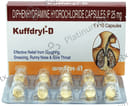
Diphenhydramine 25mg
₹24.4
₹24.1
MRP ₹47.3
Diphenhydramine 25mg
₹48.8
₹24.1
MRP ₹47.3
Dextromethorphan 10mg + Diphenhydramine 8mg
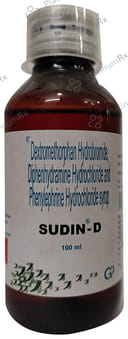
₹113.2
MRP ₹138
Diphenhydramine 25mg
₹33
₹24.1
MRP ₹47.3
Diphenhydramine 25mg
₹44.9
₹24.1
MRP ₹47.3
Diphenhydramine 25mg
₹29.2
₹24.1
MRP ₹47.3
Diphenhydramine 25mg

₹43.1
₹24.1
MRP ₹47.3
Diphenhydramine 25mg
₹28.1
₹24.1
MRP ₹47.3
Diphenhydramine 25mg
₹24.1
MRP ₹47.3
Diphenhydramine 25mg
₹30.9
₹24.1
MRP ₹47.3
Diphenhydramine 25mg
₹23.4
₹24.1
MRP ₹47.3
Diphenhydramine 25mg
₹47.9
₹24.1
MRP ₹47.3
Diphenhydramine 25mg
₹25.8
MRP ₹51.5
Diphenhydramine 25mg
₹40.7
₹24.1
MRP ₹47.3
Diphenhydramine 25mg
₹45.9
₹24.1
MRP ₹47.3
Diphenhydramine 25mg
₹38.5
₹24.1
MRP ₹47.3
Diphenhydramine 25mg
₹46.4
₹24.1
MRP ₹47.3
Diphenhydramine 25mg
₹41.3
₹24.1
MRP ₹47.3
Diphenhydramine
₹12.3

Diphenhydramine 25mg
₹53.3
Diphenhydramine 25mg
₹27.8
Diphenhydramine 25mg
₹139.7
Diphenhydramine 250mg
₹43.5
Diphenhydramine 25mg
₹37.9
Diphenhydramine 125mg
₹18.8