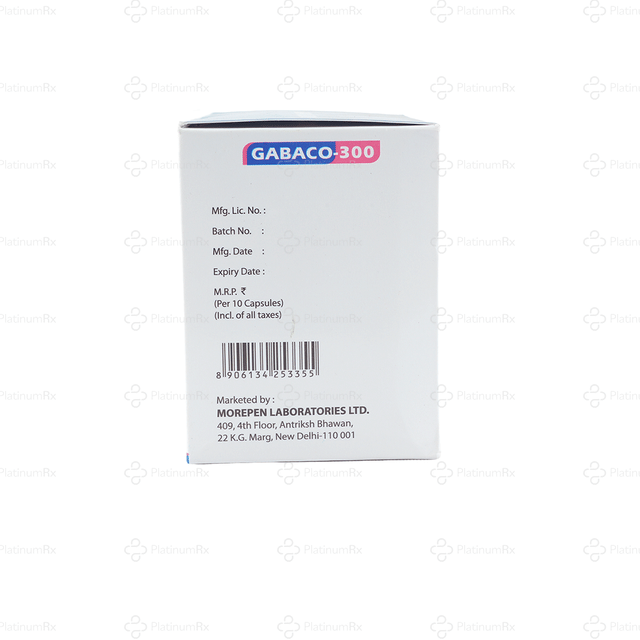
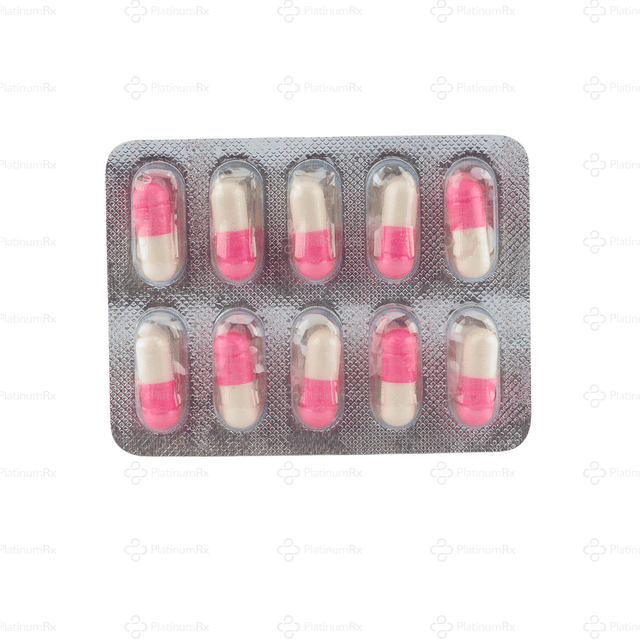
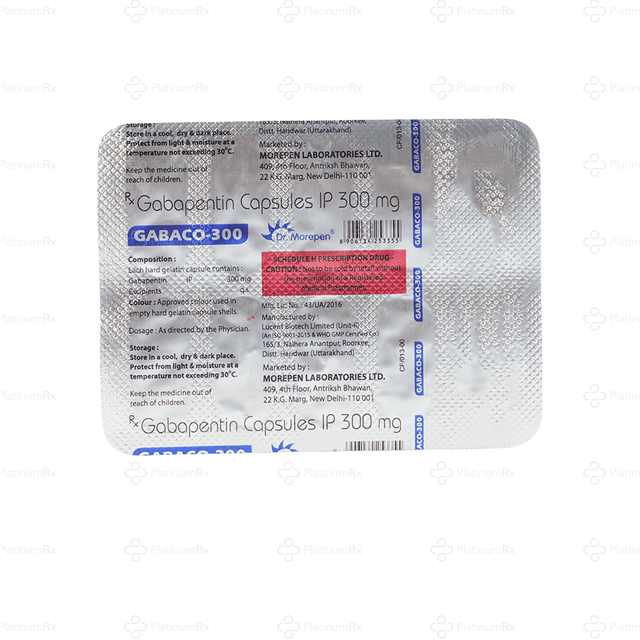
Zepentine 300mg Capsule

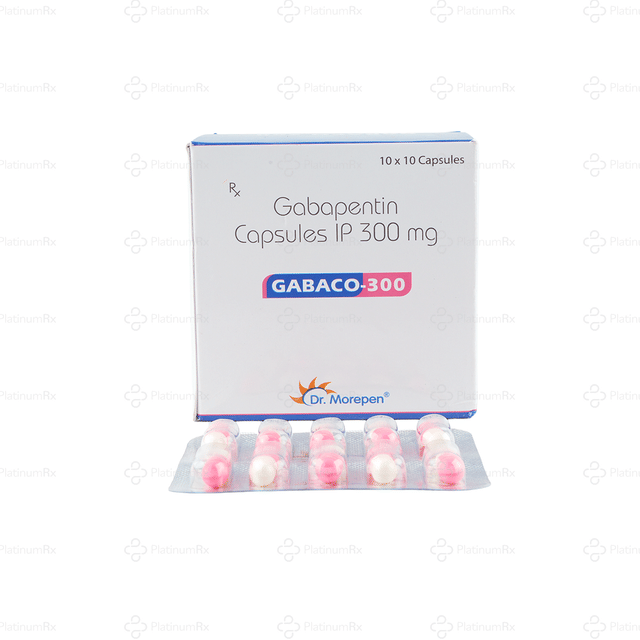
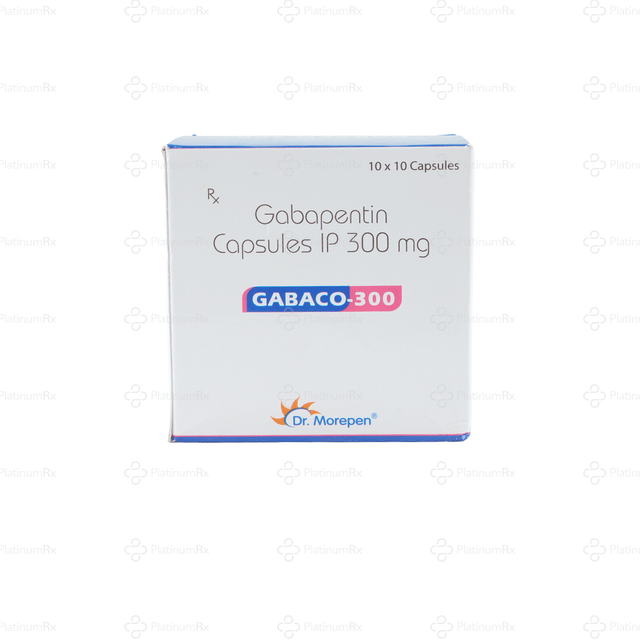
Zepentine 300mg Capsule (Gabapentin) is an Extended-Release (ER) tablet formulation of Gabapentin. It belongs to a class of medications called anticonvulsants (or antiepileptics). Its primary uses are to manage certain types of seizures and to treat chronic neuropathic pain (nerve pain). The GRS (Gastro-Retentive System) and ER label mean the tablet is designed to release the medication slowly over many hours in the stomach, which allows for less frequent dosing and a more stable drug level in the body.
Written by: Mohammed Tasir Khan, D Pharmacy
Reviewed by: Dr. Devika Rani, MBBS
Last updated on: 28-01-2026
Delivery by
...
FDA & GMP Certified
Long Expiry (>8 Months)
15 Days Easy Returns
Medicine Comparison
Have a question?

Genuine Medicine
Pay On Delivery
Secure Payment

LegitScript Certified Online Pharmacy


View content in
 English
Quick Summary
Zepentine 300mg Capsule (Gabapentin) is an Extended-Release (ER) tablet formulation of Gabapentin. It belongs to a class of medications called anticonvulsants (or antiepileptics). Its primary uses are to manage certain types of seizures and to treat chronic neuropathic pain (nerve pain). The GRS (Gastro-Retentive System) and ER label mean the tablet is designed to release the medication slowly over many hours in the stomach, which allows for less frequent dosing and a more stable drug level in the body.
Detailed Description
Zepentine 300mg Capsule contains Gabapentin, an analogue of the neurotransmitter gamma-aminobutyric acid (GABA). Despite its structural similarity to GABA, its exact mechanism of action is not entirely known.
Gabapentin is believed to exert its effects primarily by binding to the alpha-2-delta subunit of voltage-gated calcium channels in the central nervous system. This binding action helps to stabilise the electrical activity of the nerve cells, reducing the abnormal firing that causes seizures and alleviating chronic neuropathic pain.
The Extended-Release (ER) or GRS design is key because it allows the drug to stay in the stomach for longer, releasing Gabapentin slowly. This prevents the rapid fluctuations in drug levels seen with immediate-release forms, which can lead to better symptom control and reduced side effects.
Uses of Zepentine 300mg Capsule
Zepentine 300mg Capsule can be indicated for the management of:
Postherpetic Neuralgia (PHN):
Chronic nerve pain that persists after a shingles (herpes zoster) infection has healed.
Diabetic Neuropathy:
Management of pain and discomfort associated with nerve damage caused by diabetes.
Partial Onset Seizures:
Used alongside other medications (adjunctive therapy) in adults and children 12 years and older to control seizures originating in one part of the brain.
Restless Legs Syndrome (RLS):
Treatment of moderate-to-severe primary RLS.
Benefits of Zepentine 300mg Capsule
Sustained Efficacy:
By ensuring stable drug concentration in the body, the ER formulation provides continuous nerve calming, leading to better control of chronic symptoms like pain and seizure frequency.
Simplified Dosing:
The once- or twice-daily dosing regimen improves patient adherence and convenience, contrasting sharply with the three-times-daily requirement of immediate-release Gabapentin.
Improved Sleep Quality:
Consistent drug levels, particularly overnight, can reduce nocturnal pain or RLS symptoms, leading to better and less interrupted sleep.
Reduced Sedation Fluctuations:
The slow, steady release can help mitigate the peak drug concentration that causes the most intense episodes of dizziness and drowsiness seen with standard tablets.
Side Effects of Zepentine 300mg Capsule
Gabapentin can cause side effects, particularly when starting treatment. Most are mild and diminish as the body adjusts.
Common Side Effects (Monitor):
- Dizziness or lightheadedness
- Drowsiness, fatigue, or tiredness
- Ataxia (difficulty with coordination or unsteady walk)
- Peripheral oedema (swelling of the hands or feet)
- Blurred or double vision
- Viral infection (in children)
Serious Side Effects (Seek immediate medical attention if you experience):
- Severe Allergic Reaction (DRESS Syndrome): Fever, rash, swollen lymph nodes, swelling of the face, and liver problems.
- Breathing Difficulty: Especially if taken with other CNS depressants like opioids.
- Mood Changes: New or worsening depression, anxiety, or suicidal thoughts (Anticonvulsants carry a warning for this).
Directions for Use
It is critical to follow the specific instructions for the Extended-Release formulation:
- Swallow Whole: The tablet MUST be swallowed whole. Do not crush, chew, or split the tablet. Doing so destroys the extended-release mechanism, leading to rapid drug release and potential side effects or reduced efficacy.
- Dosing Schedule: Gabantin GRS is usually taken once or twice daily. Follow your doctor’s dosing schedule exactly.
- Consistency: Take the medicine at the same time each day to maintain steady drug levels.
- With or Without Food: Can be taken with or without food.
CRITICAL WARNING: Do not stop taking this medication suddenly. If you stop abruptly, especially if you are taking it for seizures, it can increase the risk of breakthrough seizures (status epilepticus). Any change in dose or discontinuation must be done gradually under a doctor's supervision.
How it works
Gabapentin's mechanism of action involves the stabilisation of nerve activity in the brain and spinal cord:
- Calcium Channel Binding: Gabapentin binds strongly to the alpha-2-delta subunit of voltage-gated calcium channels located on nerve endings.
- Neurotransmitter Modulation: By binding to these channels, Gabapentin modulates the influx of calcium ions into the nerve endings.
- Reduced Excitatory Release: This action is thought to decrease the release of several excitatory neurotransmitters (like glutamate and substance P).
- Stabilisation: The overall effect is a stabilisation of overactive nerve cells, which reduces the abnormal electrical discharge (stopping seizures) and dampens the sensation of chronic nerve pain.
Safety Advice for Zepentine 300mg Capsule

Pregnancy
CONSULT DOCTOR.
Category C. Used only if benefits clearly outweigh risks. Women of childbearing age should discuss family planning and folate supplementation with their provider. Sudden withdrawal should be avoided due to seizure risk.

Breastfeeding
CONSULT DOCTOR.
Gabapentin passes into breast milk. Monitor the infant closely for increased drowsiness or poor feeding habits. Use the lowest effective dose for the shortest duration.

Alcohol
STRICT AVOIDANCE.
Alcohol drastically increases the risk of severe CNS depression (drowsiness, sedation, respiratory distress). This combination can be life-threatening.
Driving/Machinery
DO NOT DRIVE.
The medication commonly causes dizziness, drowsiness, and impaired coordination. Do not drive or operate machinery until the side effects have stabilised and you know how the drug affects your alertness.

Elderly
DOSE ADJUSTMENT REQUIRED.
Due to age-related decline in kidney function and higher sensitivity to sedative effects, the initial dose must often be lower and monitored closely.
Quick Tips for Zepentine 300mg Capsule
- Be Patient: It can take several weeks for Gabapentin to reach its full pain-relieving effect. Do not stop taking it just because you don't feel immediate relief.
- Watch for Sedation: The most common side effect is drowsiness. If possible, take your dose around bedtime or when you can safely rest.
- Never Stop Abruptly: If you need to stop treatment, your doctor will guide you through a gradual dose reduction over at least one week to prevent withdrawal seizures or pain rebound.
- Report Mood Changes: Pay close attention to any changes in mood, behaviour, or feelings of depression, and report them to your healthcare provider immediately.
- Swallow Whole: Remember that the ER tablet's mechanism relies on you swallowing it intact.
Storage Advice
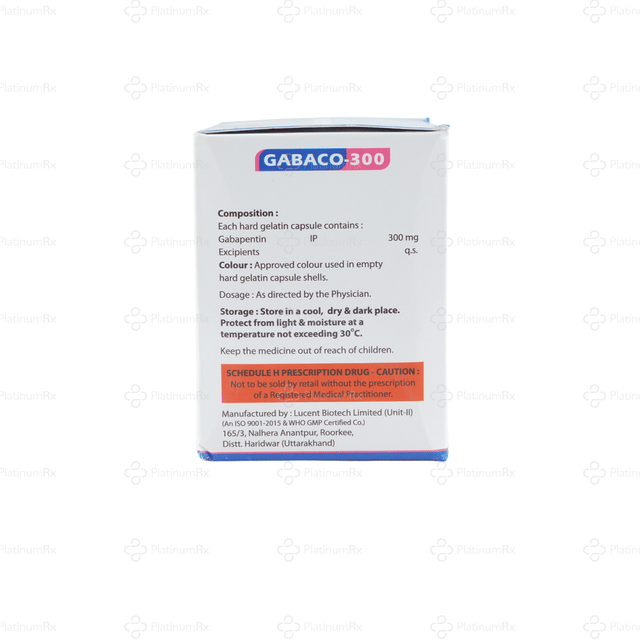
- Store the tablets at room temperature, ideally between 20°C to 25°C (68°F to 77°F).
- Keep the medicine in the original packaging, away from excessive moisture, heat, and direct light.
- Keep the tablets out of the reach of children and pets.
- Do not use the medication past the expiry date printed on the packaging.
Drug-Food Interaction
Gabapentin ER (like Gabantin GRS) should be taken with food, preferably your evening meal, for best absorption. If you're using antacids with aluminium or magnesium, try to take them at least 2 hours apart from Gabantin GRS to avoid reducing its effect.
Interactions with Other Drugs
The following drugs may interact with Zepentine 300mg Capsule and require caution:
- Opioid Pain Medications (e.g., Morphine, Hydrocodone): These drugs increase the risk of profound sedation, respiratory depression, and even coma when taken with Gabapentin. Dose adjustments are essential, and monitoring is critical.
- CNS Depressants: Any drug that causes drowsiness (e.g., antihistamines, sleeping pills, anti-anxiety medications) will amplify the sedative effects of Gabapentin.
- Cimetidine: May slightly decrease the clearance of Gabapentin from the body, leading to higher levels.
Drug-Disease Interactions
Caution is required in patients with the following conditions:
- Renal Impairment (Kidney Disease): Dose must be adjusted downward based on creatinine clearance (a measure of kidney function).
- History of Substance Abuse: Gabapentin carries a risk of misuse or dependency, particularly in individuals with a history of substance use disorder.
- Mental Health Issues/Depression: Requires close monitoring due to the risk of suicidal ideation associated with anticonvulsant drugs.
Daily Dose
The dosing of Gabapentin is highly individualised, starting low and increasing gradually (titration). The initial dose is often once daily, but this is typically increased by the physician over several days or weeks.
- The total daily dose often ranges between 900mg and 3600mg, depending on the condition being treated and the patient's response and tolerance.
- The ER tablet is a common starting point or maintenance dose for some patients, usually taken once or twice a day.
Always follow the specific schedule provided by your prescribing doctor.
Overdose
Overdose symptoms usually include pronounced drowsiness, dizziness, unsteadiness, slurred speech, lethargy, and potentially coma.
If an overdose is suspected, seek emergency medical attention immediately. Treatment is generally supportive and may include gastric lavage and careful monitoring of vital signs. Gabapentin can be removed from the body by hemodialysis.
What If You Forget to take Zepentine 300mg Capsule?
If a dose of Zepentine 300mg Capsule is missed, you should take it immediately if you remember within a few hours of the scheduled time. However, if it is close to the time for your next scheduled dose (for instance, less than 12 hours away), it is best to skip the missed dose entirely and simply resume your regular dosing schedule. It is crucial to remember that you should never double your dose or take two doses at the same time to compensate for a missed one.
FAQ
Fact Box
Therapeutic Class
Anticonvulsant, Neuropathic Pain Agent, RLS Treatment
Action Class
Binds to alpha-2-delta subunit of voltage-gated calcium channels
Chemical Class
GABA Analogue (cyclized amino acid)
Habit Forming
Potential for dependence and misuse (Schedule V in some regions)
Disclaimer
PlatinumRx is committed to providing reliable and accurate information to support informed customer decisions. However, all information made available on the Platform, including product descriptions, comparisons, and other content, is provided solely for general informational purposes. Such information is not intended to diagnose, prevent, treat, or cure any medical condition, nor should it be relied upon as a substitute for professional medical advice, diagnosis, or treatment.

Customers also bought

More Medicines By Zee Laboratories
More Medicines With Gabapentin 300mg
Top Selling Medicines
Top Selling Devices
Top Selling Health Products


