 Salt Composition
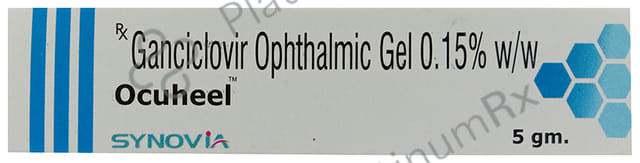
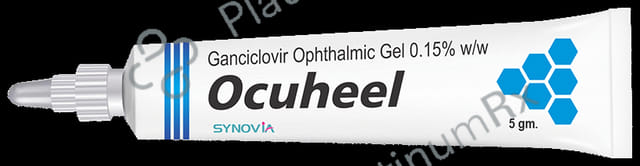
Ganciclovir 0.15% w/w



WHO GMP
Certified

15 Days Easy
Returns

Long Expiry
(>8 Months)

WHO GMP
Certified

15 Days Easy
Returns

Long Expiry
(>8 Months)
Uses of Ocuheel Ophthalmic Gel

Cytomegalovirus Infection
Customers also bought

More About Ocuheel Ophthalmic Gel
 Benefits
In Cytomegalovirus Infection : Cytomegalovirus infection is a common virus infection that may affect people who are immunocompromised or those who have undergone any transplant. Ocuheel Ophthalmic Gel helps treat cytomegalovirus infection in the eyes by preventing multiplication of the infection-causing virus. Keep using the medicine as advised by the doctor to get maximum benefit.
 Side Effects
Side effects of Ocuheel Ophthalmic Gel The majority of side effects typically do not necessitate medical intervention. and disappear as your body adjusts to the medicine. Doctor consultation is advised if they persist or if you�re worried about them Common side effects of Ocuheel Eye irritation
 How to use
How to use Ocuheel Ophthalmic Gel This medication is designated for external application solely. Utilize it according to the dosage and duration instructed by your doctor. Check the label for directions before use. Hold the tube close to the eye without touching it. Gently squeeze the tube and place the medicine inside the lower eyelid.
 How it works
How Ocuheel Ophthalmic Gel works Ocuheel Ophthalmic Gel is an antiviral medication which treats viral infections of the eye. It works by preventing the multiplication of the virus on the surface of your eyeball (cornea). This stops the production of new viruses and clears up your eye infection.

No interaction has been found or established.

Ocuheel Ophthalmic Gel may be unsafe to use during pregnancy. Although there are limited studies in humans, animal studies have shown harmful effects on the developing baby. Your doctor will weigh the benefits and any potential risks before prescribing it to you. Doctor consultation is advised.

Ocuheel Ophthalmic Gel is probably unsafe to use during breastfeeding. Limited human data suggests that the drug may pass into the breastmilk and harm the baby.

Ocuheel Ophthalmic Gel may cause side effects which could affect your ability to drive.You may feel sleepy, dizzy, confused or shaky, or you may lose your balance or have fits while using Ocuheel Ophthalmic Gel.

No interaction found/established

No interaction found/established
 What if I forget to take it?
If a dose of Ocuheel Ophthalmic Gel is missed, take it promptly. However, if your next dose is approaching, skip the missed dose and resume your regular schedule. Avoid doubling the dose.
 Manufacturer Address
F-1D-2D, BALAJI TOWER FIRST, FIRST FLOOR, VIDHYADHAR NAGAR JAIPUR Jaipur RJ 302023 IN


References
Disclaimer
PlatinumCare is dedicated to delivering dependable and trustworthy information to empower our customers. However, the information presented here is solely for general informational purposes and should not be utilized for diagnosing, preventing, or treating health issues. It is not intended to establish a doctor-patient relationship or serve as a substitute for professional medical advice.
More Medicines By Manufacturer
Top Selling Medicines
Top Selling Devices
Flat ₹100 off on first app order | Use Code: APP100 |
Flat ₹100 off on first app order
USE CODE: APP100

Download Now


