Mrsacin 500mg Infusion

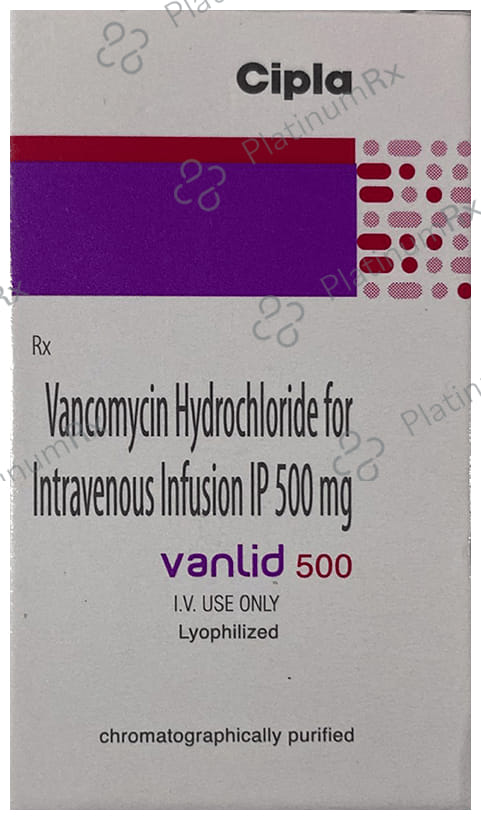
Mrsacin 500mg Infusion is an antibiotic used in the treatment of severe bacterial infections in hospitalized patients. It is effective against infections of the respiratory tract (e.g. pneumonia), urinary tract, skin and soft tissues, bones and joints, heart, blood, and others.Mrsacin 500mg Infusion is also used for the prevention of infection in some high-risk patients undergoing surgical procedures. It works by stopping the growth of bacteria and is useful for treating adults as well as children. It is a narrow-spectrum antibiotic that only covers the gram-positive type of bacteria. This medicine is administered slowly by a drip (infusion) into a vein, under the supervision of a healthcare professional. A rapid infusion can lead to reactions such as low blood pressure, wheezing, shortness of breath, or itching. It may also be combined with other antibiotics to treat additional types of bacteria.Some people may develop local injection site reactions like pain, swelling, and redness. However, these are usually minor and temporary. Other side effects like wheezing, kidney (renal) injury, shortness of breath, flushing (sense of warmth in the face, ears, neck, and trunk) and decreased blood pressure may be seen occasionally.Inform your doctor if you have a history of an allergic reaction to this medication in the past. Your doctor may regularly monitor your kidney function and your hearing while you are taking this medicine. Some people may be advised blood tests to check the level of this medicine in their blood. Consult your doctor if you are pregnant or breastfeeding before taking this medicine.
Written by: Syeda Jigni Mehraj, B pharmacy
Reviewed by: Dr. Jay Faldu, MBBS
Last updated on: 24-06-2025
Delivery by
...
FDA & GMP Certified
Long Expiry (>8 Months)
15 Days Easy Returns
Medicine Comparison
Have a question?

Genuine Medicine
Pay On Delivery
Secure Payment

LegitScript Certified Online Pharmacy


More About Mrsacin 500mg Infusion
Quick Summary
Mrsacin 500mg Infusion is an antibiotic used in the treatment of severe bacterial infections in hospitalized patients. It is effective against infections of the respiratory tract (e.g. pneumonia), urinary tract, skin and soft tissues, bones and joints, heart, blood, and others.Mrsacin 500mg Infusion is also used for the prevention of infection in some high-risk patients undergoing surgical procedures. It works by stopping the growth of bacteria and is useful for treating adults as well as children. It is a narrow-spectrum antibiotic that only covers the gram-positive type of bacteria. This medicine is administered slowly by a drip (infusion) into a vein, under the supervision of a healthcare professional. A rapid infusion can lead to reactions such as low blood pressure, wheezing, shortness of breath, or itching. It may also be combined with other antibiotics to treat additional types of bacteria.Some people may develop local injection site reactions like pain, swelling, and redness. However, these are usually minor and temporary. Other side effects like wheezing, kidney (renal) injury, shortness of breath, flushing (sense of warmth in the face, ears, neck, and trunk) and decreased blood pressure may be seen occasionally.Inform your doctor if you have a history of an allergic reaction to this medication in the past. Your doctor may regularly monitor your kidney function and your hearing while you are taking this medicine. Some people may be advised blood tests to check the level of this medicine in their blood. Consult your doctor if you are pregnant or breastfeeding before taking this medicine.
Benefits of Mrsacin 500mg Infusion
Severe bacterial infections
In Severe bacterial infections : Mrsacin 500mg Infusion works by killing bacteria which can cause serious infections. It is used to treat many different types of bacterial infections such as infections of the lungs (pneumonia) and urinary tract. It is given by a doctor or nurse into a vein and should not be self-administered. Mrsacin 500mg Infusion usually makes you feel better very quickly but you should continue taking it as prescribed even when you feel better to make sure that all bacteria are killed and do not become resistant.
Side Effects of Mrsacin 500mg Infusion
Side effects of Mrsacin Infusion The majority of side effects typically do not necessitate medical intervention. and disappear as your body adjusts to the medicine. Doctor consultation is advised if they persist or if you�re worried about them Common side effects of Mrsacin Breathlessness Vomiting Nausea Decreased potassium level in blood Abdominal pain Decreased white blood cell count (neutrophils)Phlebitis Hypotension (low blood pressure)Flatulence Hearing loss Renal toxicity Headache Fever Peripheral edema Fatigue
Directions for Use
How to use Mrsacin Infusion Your doctor or nurse will give you this medicine. Kindly do not self-administer.
How it works
How Mrsacin Infusion works Mrsacin 500mg Infusion is an antibiotic. It kills bacteria by preventing them from forming the bacterial protective covering (cell wall) which is needed for them to survive.

Alcohol
Safe: No harmful side effects are associated with consuming alcohol alongside Mrsacin 500mg Infusion

Pregnancy
Mrsacin 500mg Infusion may be unsafe to use during pregnancy. Although there are limited studies in humans, animal studies have shown harmful effects on the developing baby. Your doctor will weigh the benefits and any potential risks before prescribing it to you. Doctor consultation is advised.

Breast feeding
Mrsacin 500mg Infusion is probably safe to use during breastfeeding. Limited human data suggests that the drug does not represent any significant risk to the baby.

Driving
Mrsacin 500mg Infusion does not usually affect your ability to drive.

Kidney
Mrsacin 500mg Infusion should be used with caution in patients with kidney disease. Dose adjustment of Mrsacin 500mg Infusion may be needed. Doctor consultation is advised.Regular monitoring of kidney function test and some blood tests is advised while you are taking this medicine.

Liver
There is limited information available on the use of Mrsacin 500mg Infusion in patients with liver disease. Doctor consultation is advised.
What If You Forget to take Mrsacin 500mg Infusion?
If a dose of Mrsacin 500mg Infusion is missed, it's advisable to consult your doctor.
Storage Advice
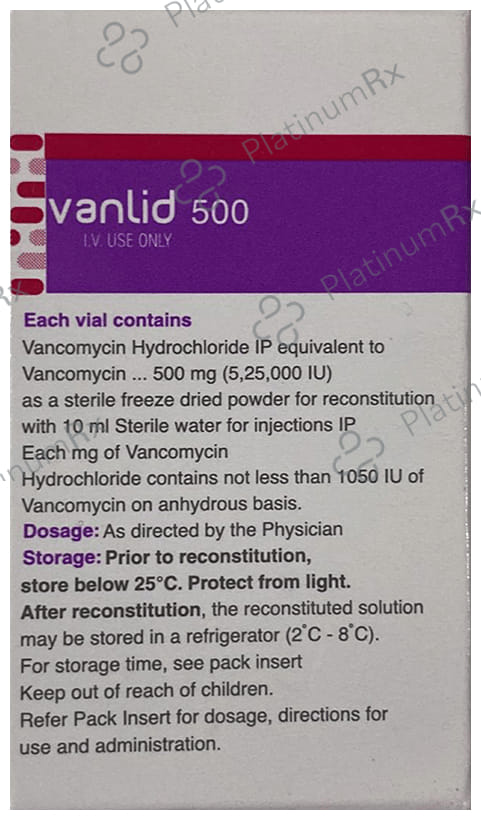
Store in a cool and dry place, and keep the temperature below 30�C
Quick Tips for Mrsacin 500mg Infusion
You� have been prescribed Mrsacin 500mg Infusion to treat serious bacterial infections of the heart, blood, bones, and soft tissues. Do not skip any doses and finish the full course of treatment even if you feel better. Stopping it early may make the infection to come back and harder to treat. It should be taken slowly via a drip. Fast infusion can lead to reactions such as low blood pressure, wheezing, shortness of breath or itching. Your doctor may regularly monitor your kidney function and your hearing while you are taking this medicine. Your doctor may get regular blood tests done to check the level of this medicine in your blood. Inform your doctor if you are pregnant, planning to conceive, or breastfeeding.
Manufacturer Address
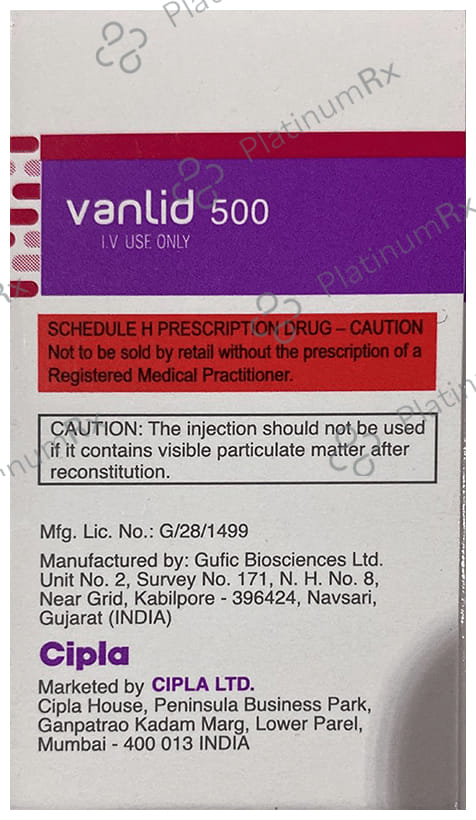
SCO 857, Cabin No. 10, 2nd Floor, NAC, Manimajra, Chandigarh (U.T.), 160101, India
FAQ
Disclaimer
PlatinumRx is committed to providing reliable and accurate information to support informed customer decisions. However, all information made available on the Platform, including product descriptions, comparisons, and other content, is provided solely for general informational purposes. Such information is not intended to diagnose, prevent, treat, or cure any medical condition, nor should it be relied upon as a substitute for professional medical advice, diagnosis, or treatment.

Customers also bought







More Medicines By Venus Remedies Ltd.
More Medicines With Vancomycin 500mg
Top Selling Medicines
Top Selling Devices
Top Selling Health Products