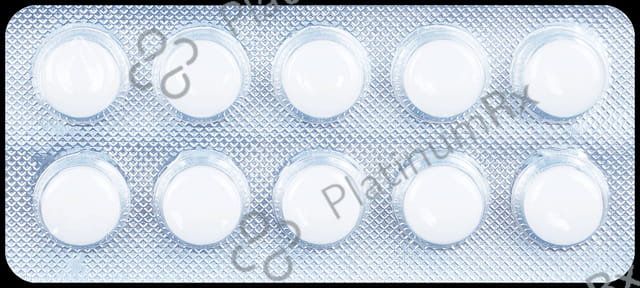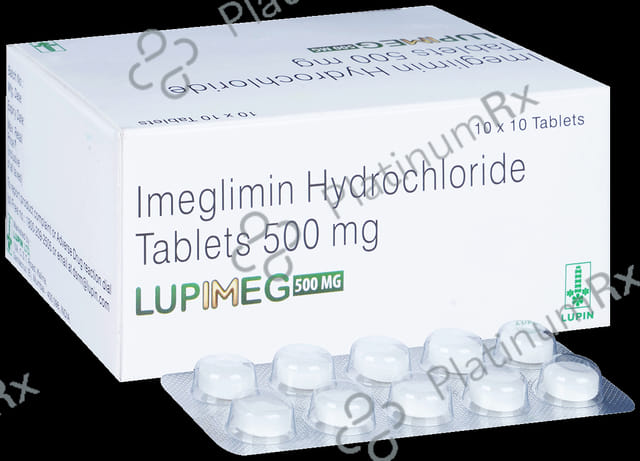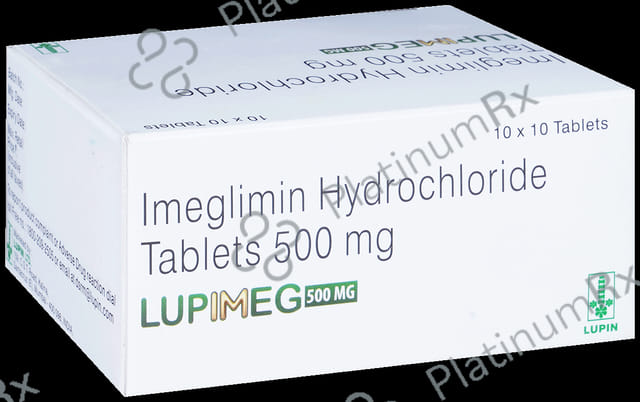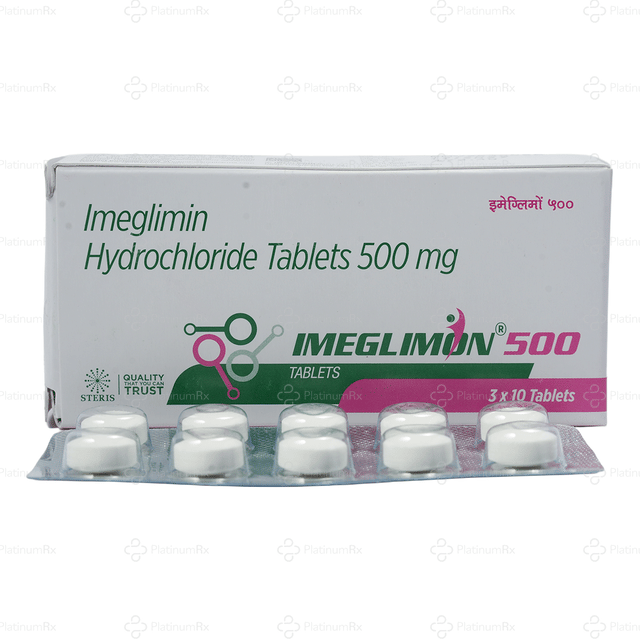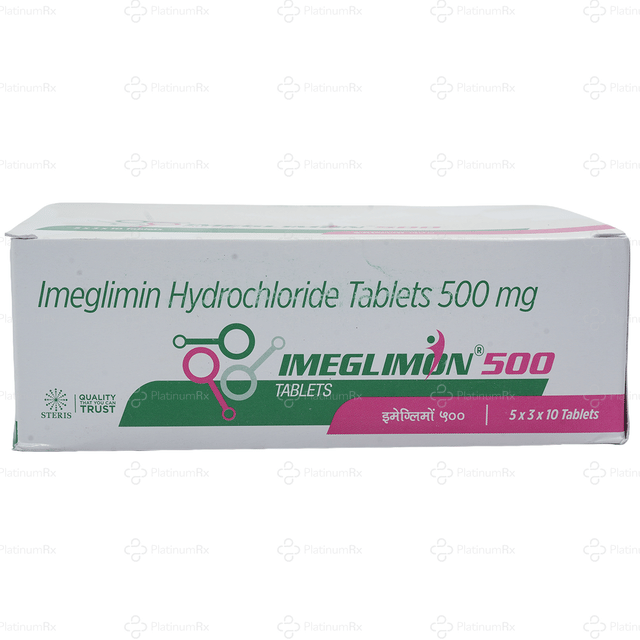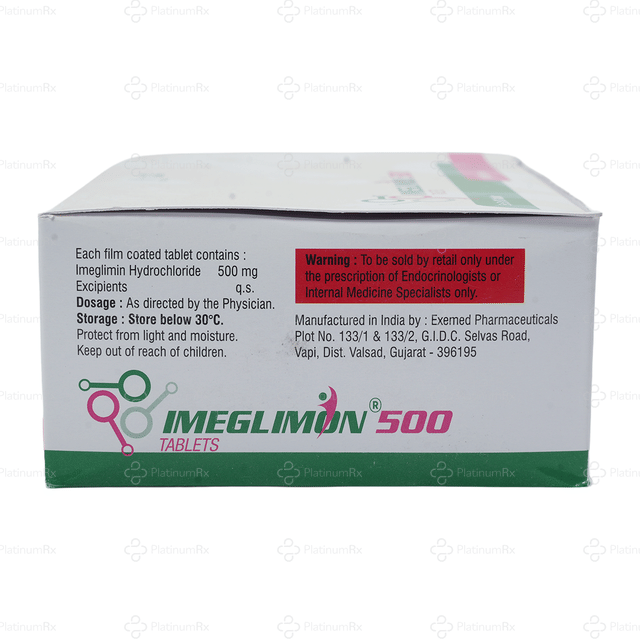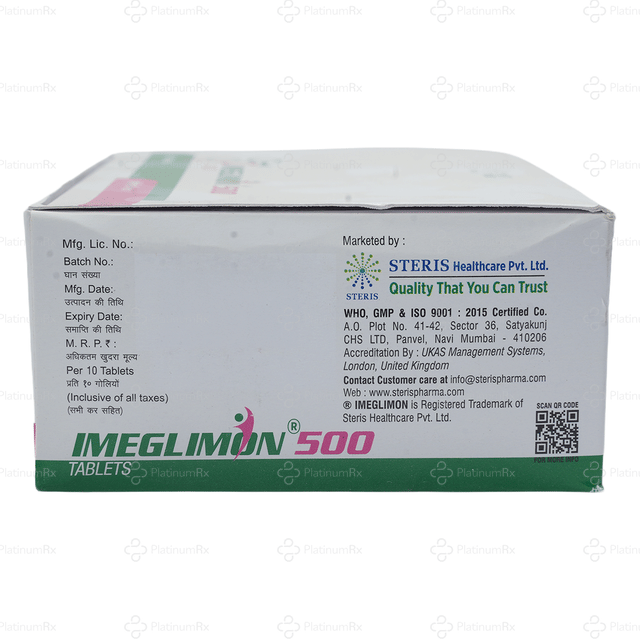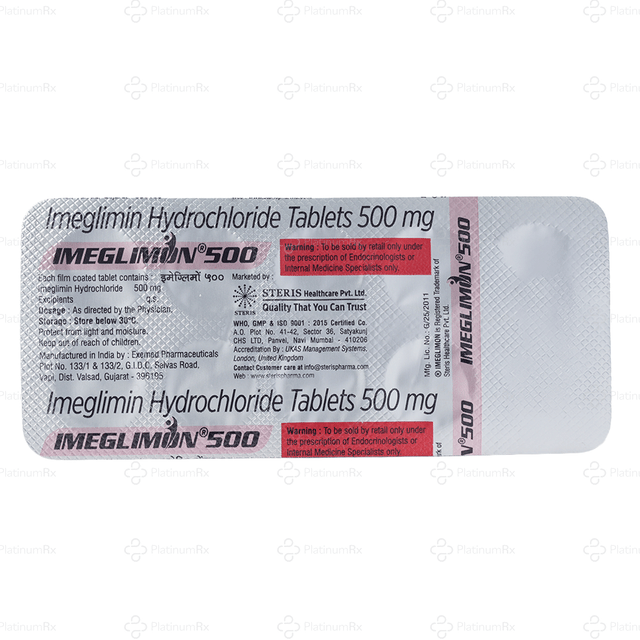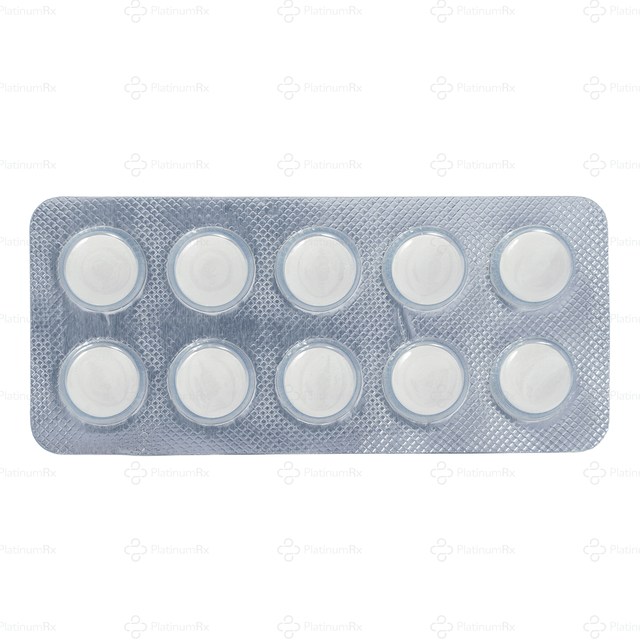



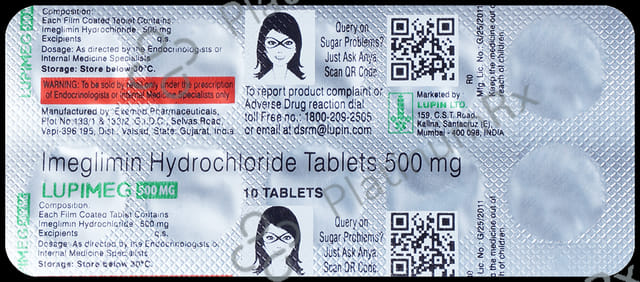
Lupimeg 500mg Tablet 10s

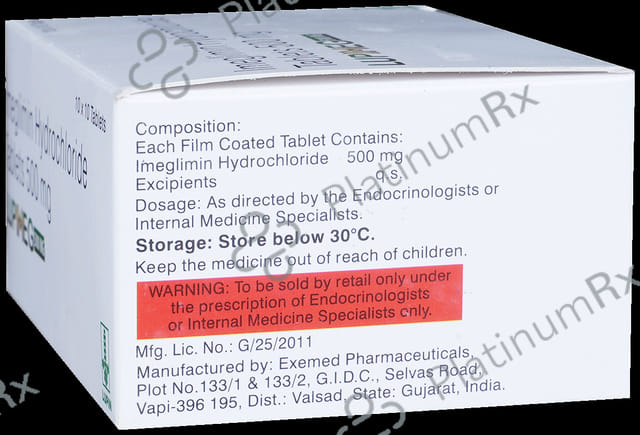
atom-spiralsSalt Composition:Imeglimin 500mg

Lupimeg 500mg Tablet 10s contains Imeglimin, a novel oral antidiabetic medicine belonging to a new class called glimins. It is used to improve blood sugar control in adults with type 2 diabetes mellitus. It works in two ways by helping the pancreas release insulin when needed and by improving how the body responds to insulin. Lupimeg 500mg Tablet 10s may be used alone or in combination with other antidiabetic medicines, and is always taken under medical supervision as part of a broader diabetes management plan that includes diet and lifestyle modifications.
Read more

Written by: Ibrahim Aadil, B pharmacy

Reviewed by: Dr. Jay Faldu, MBBS

Last updated on: 20-05-2026

Same Composition
Same Strength
FDA Approved
Same Composition
Currently Viewing
Lupimeg 500mg Tablet 10s

Lupin Ltd.

Strip of 10 tablets

See affordable match

Top Substitute
4.6K Bought this instead

Delivery by

...

who

WHO GMP Certified

Long Expiry (>8 Months)

15 Days Easy Returns

Medicine Comparison

100% Exact Salt Match
Lupimeg 500mg Tablet 10s
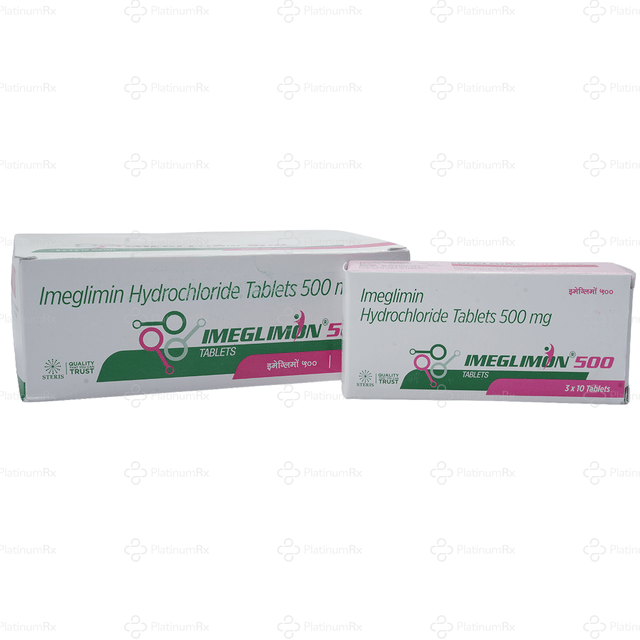
Imeglimon 500mg Tablet 10s
FDA Approved
FDA Approved
₹11.3 / Unit
₹8.3 / Unit
Doctor Approved & Trusted
thumbnail

Genuine Medicine

Pay On Delivery

Secure Payment

LegitScript Certified

LegitScript Certified Online Pharmacy

View content in

languageEnglishDown Arrow

Detailed Description

Lupimeg 500mg Tablet 10s contains Imeglimin, the first approved member of the glimin class of oral antidiabetic medicines. It addresses type 2 diabetes through a distinctive mechanism that sets it apart from all existing treatment classes.

Imeglimin targets mitochondrial bioenergetics, which refers to the energy-producing processes occurring within cells. In type 2 diabetes, mitochondrial dysfunction impairs both insulin secretion by pancreatic beta cells and insulin sensitivity in peripheral tissues such as the liver, muscles, and fat. Imeglimin corrects this by restoring mitochondrial function, addressing the disease at a fundamental cellular level.

Through this action, Imeglimin produces two complementary effects. It amplifies glucose-stimulated insulin secretion from pancreatic beta cells, and it reduces hepatic glucose production while improving insulin sensitivity in muscle and liver tissue. Importantly, its insulin-stimulating effect is glucose-dependent, meaning it only enhances insulin release when blood sugar is elevated. This significantly reduces the risk of hypoglycaemia compared to some other antidiabetic agents.

Imeglimin is well absorbed after oral administration, reaches peak plasma concentrations within approximately two hours, and is primarily eliminated unchanged through the kidneys. It is suitable for use as monotherapy or in combination with metformin, sulfonylureas, DPP-4 inhibitors, SGLT2 inhibitors, or insulin, offering meaningful flexibility across the spectrum of type 2 diabetes management.

Uses of Lupimeg 500mg Tablet 10s

Type 2 Diabetes Mellitus

To improve glycaemic control in adults when diet and exercise alone are insufficient.

Monotherapy

Used as a standalone treatment in patients where metformin is not tolerated or is contraindicated.

Combination Therapy

May be combined with other oral antidiabetic agents or insulin to achieve better blood sugar control when monotherapy is inadequate.

Benefits of Lupimeg 500mg Tablet 10s

  • A novel approach to type 2 diabetes: Imeglimin works by targeting mitochondrial dysfunction, a core contributor to type 2 diabetes, offering a mechanism that’s different from other drug classes.
  • Dual action on blood sugar: It helps both by improving the body’s response to insulin and by supporting insulin secretion, addressing two major underlying issues in type 2 diabetes.
  • Lower risk of hypoglycaemia: Its effect on insulin is glucose-dependent, so it does not overstimulate insulin when blood sugar is normal, reducing the chance of hypoglycaemic episodes.
  • Flexible treatment option: Imeglimin can be used on its own or alongside many other diabetes medications, including metformin, insulin, and SGLT2 inhibitors.
  • Support for beta cells: It may help maintain the function and survival of insulin-producing beta cells, potentially offering benefits beyond just lowering blood sugar.
  • Easy oral dosing: Taken by mouth, making it convenient for long-term treatment and adherence.

Side Effects of Lupimeg 500mg Tablet 10s

Lupimeg 500mg Tablet 10s may cause side effects, although not everyone will experience them. Most reactions are mild and temporary, but some may require immediate medical attention.

Common Side Effects
  • Nausea
  • Decreased appetite
  • Diarrhea
  • Vomiting
Uncommon Side Effects
  • Headache
  • Fatigue
  • Mild and transient changes in kidney function markers, usually detected on routine monitoring
Serious Side Effects (Require Immediate Medical Attention)
  • Low blood sugar (hypoglycaemia), especially when taken with insulin or sulfonylureas
  • Lactic acidosis (very rare but serious) requiring urgent medical attention
  • Severe allergic reactions including swelling of the face, lips, tongue, or throat, rash or hives, and difficulty breathing

Directions for Use

Lupimeg 500mg Tablet 10s should be taken exactly as prescribed by your doctor. It is typically taken twice daily, once in the morning and once in the evening, preferably before meals. Taking it consistently at the same times each day helps maintain stable blood sugar levels throughout the day.

Swallow the tablet whole with a glass of water. If you experience gastrointestinal discomfort, taking it just before a meal may help improve tolerability. Do not adjust your dose or stop treatment without consulting your healthcare provider, as consistent use is important for effective blood sugar management.

How it works

Imeglimin addresses mitochondrial dysfunction in key metabolic tissues, targeting the underlying causes of type 2 diabetes.

  • Pancreas: By improving mitochondrial energy production in beta cells, Imeglimin enhances insulin secretion only when blood glucose is elevated, making the effect self-regulating.
  • Liver and muscles: It reduces excessive glucose production in the liver and improves insulin sensitivity in muscle cells.
  • Beta cell protection: Imeglimin may help protect beta cells from oxidative stress, supporting long-term pancreatic function.
  • This multi-targeted, mitochondria-centered mechanism differentiates Imeglimin from other antidiabetic drug classes.

Safety Advice for Lupimeg 500mg Tablet 10s

icon
Pregnancy
Caution

Safety in pregnancy has not been established. Medical guidance is essential, and alternative treatments are generally preferred.

icon
Breastfeeding
Limited information

It is not known whether Imeglimin passes into breast milk. Use is not recommended during breastfeeding without medical supervision.

icon
Driving
Caution

Generally does not cause drowsiness, but if used with sulfonylureas or insulin, remain alert to hypoglycaemia symptoms, which can impair your ability to drive safely.

icon
Liver
Caution

Limited data is available in patients with hepatic impairment. Inform your doctor of any liver condition before starting treatment.

icon
Kidney
Caution

Imeglimin is renally excreted. Dose adjustment is required in moderate renal impairment, and use is not recommended in severe renal impairment.

icon
Alcohol
Unsafe

Alcohol can affect blood glucose levels unpredictably and may mask symptoms of hypoglycaemia. Limiting alcohol intake is strongly advisable.

Quick Tips for Lupimeg 500mg Tablet 10s

  • Pair with Lifestyle Changes: Medication works best alongside a healthy diet and regular physical activity. Lupimeg 500mg Tablet 10s is a complement to, not a replacement for, healthy lifestyle habits.
  • Monitor Blood Glucose Regularly: Routine self-monitoring helps you and your doctor assess how well blood sugar is being controlled and whether any adjustments are needed.
  • Know Hypoglycaemia Signs: If Lupimeg 500mg Tablet 10s is prescribed alongside a sulfonylurea or insulin, learn to recognise the early warning signs of low blood sugar, including shakiness, sweating, hunger, and confusion, and know how to respond promptly.
  • Keep Kidney Function in Check: Since Imeglimin is cleared through the kidneys, routine kidney function monitoring is important, particularly in older adults or those with existing renal conditions.
  • Do Not Self-Adjust Doses: Blood glucose management requires careful individualisation. Never alter your dose or add other antidiabetic medicines without your doctor's knowledge.

Drug-Food Interaction

  • Food (MILD): Food does not significantly affect the absorption of Imeglimin. Taking Lupimeg 500mg Tablet 10s before meals is recommended to reduce gastrointestinal side effects such as nausea rather than for pharmacokinetic reasons.
  • Alcohol (SEVERE): Alcohol can unpredictably raise or lower blood glucose levels and may increase the risk of hypoglycaemia, particularly when Imeglimin is used alongside other antidiabetic agents. Limiting consumption is advisable.
  • High-Sugar or Refined Carbohydrate Foods (MILD): While not a direct pharmacokinetic interaction, dietary choices significantly influence the effectiveness of antidiabetic treatment. A balanced, low-glycaemic diet supports better outcomes.

Interactions with Other Drugs

  • Sulfonylureas and Insulin (MODERATE): Combining Imeglimin with these agents may increase the risk of hypoglycaemia. Blood glucose monitoring should be intensified, and dose adjustments may be required.
  • Metformin (MILD): Imeglimin and metformin have complementary mechanisms and are frequently used together. Both are renally excreted, so kidney function should be monitored regularly with this combination.
  • DPP-4 Inhibitors and SGLT2 Inhibitors (MILD): Imeglimin can be effectively combined with these drug classes. Clinical trials have demonstrated good tolerability and additive glycaemic benefits.
  • Nephrotoxic Agents (MODERATE): Concurrent use of medicines that reduce kidney function, such as certain NSAIDs or contrast agents, may impair the clearance of Imeglimin. Caution and renal monitoring are advisable.

Drug-Disease Interactions

  • Moderate to Severe Renal Impairment (SEVERE): Imeglimin is predominantly renally excreted. Dose reduction is required in moderate impairment, and use should be avoided in severe renal impairment to prevent drug accumulation and potential toxicity.
  • Severe Hepatic Impairment (MODERATE): Limited clinical data is available. Caution and close monitoring are warranted in patients with significant liver disease.
  • Type 1 Diabetes or Diabetic Ketoacidosis (SEVERE): Lupimeg 500mg Tablet 10s is not indicated for type 1 diabetes or for the management of acute hyperglycaemic emergencies. These conditions require insulin-based treatment.
  • Cardiovascular Disease (MILD): Patients with significant cardiac conditions should have their overall antidiabetic regimen reviewed by their doctor to ensure Lupimeg 500mg Tablet 10s is appropriately integrated into their treatment plan.

What If You Forget to take Lupimeg 500mg Tablet 10s?

Take the missed dose as soon as you remember. If it is almost time for your next dose, skip the missed one and continue with your usual schedule. Do not take two doses at the same time.

Taking your medicine on time helps keep your blood sugar steady. If you often forget doses, speak with your healthcare provider for advice on staying on track.

FAQ

Fact Box

Therapeutic Class

Antidiabetic / Oral Hypoglycaemic Agent

Action Class

Mitochondrial Bioenergetics Modulator / Insulin Secretagogue and Sensitiser

Chemical Class

Tetrahydrotriazine (Glimin Class)

Habit Forming

No

Disclaimer

PlatinumRx is committed to providing reliable and accurate information to support informed customer decisions. However, all information made available on the Platform, including product descriptions, comparisons, and other content, is provided solely for general informational purposes. Such information is not intended to diagnose, prevent, treat, or cure any medical condition, nor should it be relied upon as a substitute for professional medical advice, diagnosis, or treatment.

View More
editorial-png
Authentic & trustworthy information
Having issues with the content?
Report Error

Customers also bought

Health Articles

Weight Loss Medications: Types, Side Effects, Benefits and How They Work

Weight Loss Medications: Types, Side Effects, Benefits and How They Work

How to Prevent and Control Diabetes Naturally

How to Prevent and Control Diabetes Naturally

Diabetes Management Tips: How Daily Habits Impact Blood Sugar

Diabetes Management Tips: How Daily Habits Impact Blood Sugar

Blood Sugar Test Guide: When and How to Check Your Levels

Blood Sugar Test Guide: When and How to Check Your Levels

How to Choose the Best Glucometer (Blood Sugar Test Machine)

How to Choose the Best Glucometer (Blood Sugar Test Machine)

Fruits for Diabetic Patients: What’s Safe to Eat?

Fruits for Diabetic Patients: What’s Safe to Eat?

Insulin Injections for Diabetes: Usage, Benefits & Tips

Insulin Injections for Diabetes: Usage, Benefits & Tips

How to Avoid Diabetes Complications: 10 Must-Follow Tips

How to Avoid Diabetes Complications: 10 Must-Follow Tips

HbA1c Test Explained: Normal Range, Results & What They Mean

HbA1c Test Explained: Normal Range, Results & What They Mean

More Medicines By Manufacturer

More Medicines With Salt

Top Selling Medicines

Top Selling Devices