

100% Same

SALT COMPOSITIONMedicine UsageStrength

Top Brand Icon

Top Branded
Substitute

You Searched

You Searched

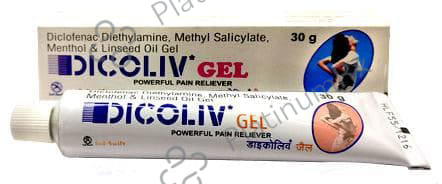
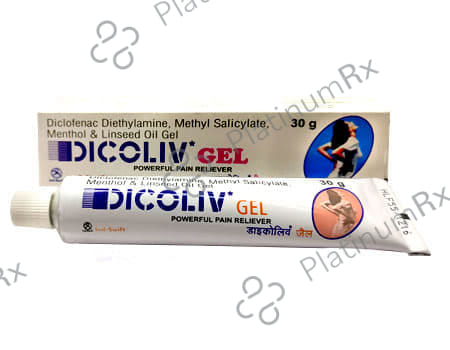
Dicoliv Gel 30 Gel
Dicoliv Gel 30 Gel

Dicoliv Gel 30 Gel

Our Suggestions

Our Suggestions

Kvickly Hydro Gel 30gm

Kvickly Hydro Gel 30gm

Wallace Pharmaceuticals Pvt. Ltd.
Tube of gm

Customers Icon

378+ trust this

who

WHO GMP Certified

Doctor verified video thumbnail
All Our Medicines are
who icon

WHO GMP
Certified

return Image

15 Days Easy
Returns

Long Expiry

Long Expiry
(>8 Months)

who icon

WHO GMP
Certified

return Image

15 Days Easy
Returns

Long Expiry

Long Expiry
(>8 Months)

Fast Delivery

Delivery details unavailable

Uses of Dicoliv Gel 30 Gel

Medication Icon

Customers also bought

More About Dicoliv Gel 30 Gel

Short Description
Long Description
How to use
Benefits
Side Effects
How to consume
How it works
Safety Advice
Quick Tips
Storage
Drug-Food Interactions
Interactions with Other Drugs
Drug-Disease Interactions
Daily Dose
Overdose
What If You Forget to take Dicoliv Gel 30 Gel?
FAQ
References
Fact Box

Quick Summary

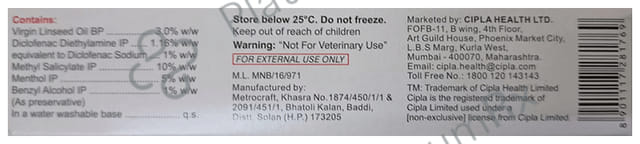
Dicoliv Gel 30 Gel is a potent topical analgesic and anti-inflammatory gel formulated for the rapid relief of localised musculoskeletal pain. This combination therapy utilizes four synergistic components: Diclofenac Diethylamine 1.16% w/w (equivalent to 1% w/w Diclofenac Sodium), a potent Non-Steroidal Anti-Inflammatory Drug (NSAID) that provides direct pain relief and reduces swelling by inhibiting the cyclooxygenase (COX) enzyme; Methyl Salicylate 10% w/w, a counterirritant and penetrating analgesic; Menthol 5% w/w, which provides immediate cooling relief and enhances local blood flow; and Linseed Oil 3% w/w, which serves as a skin penetrating agent rich in alpha-linolenic acid (an omega-3 fatty acid) with mild anti-inflammatory properties, also potentially aiding the absorption of other active ingredients. This multi-action formulation is designed to target pain and inflammation at the source, offering a localised treatment option for acute and chronic conditions without the systemic side effects associated with oral NSAIDs.

Detailed Description

Dicoliv Gel 30 Gel gel provides a comprehensive approach to managing soft tissue pain, combining a deep-acting anti-inflammatory agent with rapid-acting topical analgesics. This synergy addresses both the underlying cause (inflammation) and the immediate symptom (pain).

Active Ingredients and Mechanisms

  1. Diclofenac Diethylamine 1.16% w/w (equivalent to 1% Diclofenac Sodium): As an NSAID, Diclofenac's primary role is to inhibit the biosynthesis of prostaglandins, the key mediators of pain, inflammation, and fever. It does this by non-selectively inhibiting COX-1 and COX-2. When applied topically, a substantial concentration of Diclofenac penetrates the skin. It localises in the underlying inflamed tissues (synovial fluid, muscle), bypassing the gastrointestinal tract and liver metabolism, significantly reducing systemic exposure and risk compared to oral doses.
  2. Methyl Salicylate 10% w/w (Oil of Wintergreen): This is a topical analgesic and a potent counterirritant. When absorbed, it hydrolyses to form salicylic acid, which also possesses anti-inflammatory properties. Its primary topical role is to produce heat (hyperemia) and distract the patient from the deep-seated pain by stimulating nerve endings in the skin, providing an intense local warming sensation.
  3. Menthol 5% w/w: Menthol acts as a fast-acting counterirritant by stimulating cold receptors (TRPM8 receptors) in the skin. This creates an immediate cooling sensation that helps distract from pain. It also possesses mild local anaesthetic properties and acts as a penetration enhancer, increasing the permeability of the skin barrier to facilitate the deeper delivery of Diclofenac and Methyl Salicylate.
  4. Linseed Oil 3% w/w: Derived from the seeds of the flax plant, Linseed Oil is primarily included as an emollient and penetration enhancer. It is rich in alpha-linolenic acid (ALA), an omega-3 essential fatty acid with documented mild anti-inflammatory properties, complementing Diclofenac's action. It also helps to keep the skin hydrated and serves as a solvent base for the other ingredients.

The formulation ensures that the decisive anti-inflammatory action of Diclofenac is rapidly and effectively delivered to the site of pain. At the same time, the Menthol and Methyl Salicylate provide fast-acting, noticeable symptomatic relief through counterirritation and a mild warming effect. This makes the gel highly effective for localised pain where inflammation is a key component.

Uses of Dicoliv Gel 30 Gel

Dicoliv Gel 30 Gel gel is indicated for the topical treatment of pain and inflammation associated with musculoskeletal disorders in adults.

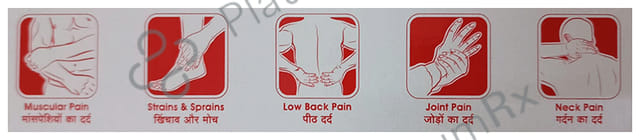
  • Joint and Musculoskeletal Pain: Used for localised symptomatic relief of pain, inflammation, and swelling in various soft-tissue rheumatism (e.g., tenosynovitis, bursitis).
  • Traumatic Injuries: Management of pain due to localised trauma, such as sprains, strains, bruises, and sports injuries.
  • Osteoarthritis (OA): Used as a topical adjunct therapy for the symptomatic relief of pain in superficial joints, such as those in the knees, fingers, and elbows.
  • Acute Localised Back Pain: Relief of pain in soft tissues of the back, such as muscle spasms or ligament sprains.

Benefits of Dicoliv Gel 30 Gel

This multi-ingredient topical gel offers several distinct advantages over traditional oral pain relief methods.

The primary benefit is Localised Anti-Inflammatory Action. The Diclofenac component provides potent inhibition of inflammation directly at the site of injury or pain, leading to highly effective localised relief with minimal systemic absorption, thus reducing the gastrointestinal and cardiovascular risks associated with oral NSAIDs.

It provides Rapid, Dual-Action Symptomatic Relief. The combination of Menthol (cooling) and Methyl Salicylate (warming/counterirritant) delivers almost immediate, noticeable pain distraction and relief. At the same time, the Diclofenac component works to reduce the underlying inflammation over a more extended period.

The Penetration Enhancing Formulation (Menthol and Linseed Oil) facilitates the deeper delivery of the Diclofenac and Methyl Salicylate through the skin layers to the affected muscle or joint tissue, maximising therapeutic concentration where it is needed most.

The non-greasy, pleasant-smelling gel format is Well-Tolerated and Easy to apply, promoting adherence to the prescribed treatment course.

Side Effects of Dicoliv Gel 30 Gel

Side effects are mainly localised and mild, though systemic risks, while rare, must be considered, particularly with extensive use.

Common Side Effects (Localised and mild):

  • Skin irritation, Redness, or Itching (Pruritus) at the application site.
  • Contact Dermatitis (mild rash).
  • Dryness of skin or exfoliation (peeling).
  • Burning sensation, typically due to Menthol/Methyl Salicylate.

Serious Side Effects (Stop use and seek medical attention if you experience):

  • Severe Skin Reactions: Widespread rash, blisters, or signs of a severe allergic reaction (Angioedema, difficulty breathing).
  • Systemic NSAID Effects (Rare but possible): Symptoms indicative of systemic absorption, such as severe, unexplained stomach pain (potential GI bleeding), black or tarry stools, or sudden shortness of breath (potential cardiac event).
  • Signs of Salicylate Toxicity (Overdose): Tinnitus (ringing in the ears), dizziness, headache, or confusion, especially with excessive, large-area application or application under occlusive dressings.

Directions for Use

  • Dosing Schedule: The gel is typically applied 2 to 4 times a day to the affected area.
  • Application: Squeeze a small amount of gel (usually about 2 to 4 grams, depending on the size of the area, equivalent to a cherry or walnut size) onto the hand.
  • Administration: Gently and thoroughly rub the gel into the affected skin area until the gel disappears. Ensure hands are washed immediately after application unless the hands are the treatment site
  • Duration: The duration of treatment depends on the indication; typically up to 7 days for soft-tissue injuries and up to 3 weeks for osteoarthritis. If symptoms persist beyond this period, consult a physician.
  • Avoid Occlusion: Do not cover the treated area with an occlusive (air-tight) bandage or heat pad, as this dramatically increases the absorption and systemic risk of the active ingredients.

How it works

The gel utilises a multi-target mechanism to achieve pain relief and inflammation reduction.

  1. Diclofenac (Anti-Inflammatory): The primary therapeutic action is the non-selective inhibition of cyclooxygenase (COX) enzymes (COX-1 and COX-2). This inhibition blocks the conversion of arachidonic acid into pro-inflammatory prostaglandins. Reduced prostaglandin levels decrease local inflammation, swelling, and pain signals.
  2. Methyl Salicylate (Counterirritant/Analgesic): It provides a warming sensation by irritating the cutaneous sensory nerve endings (counterirritation), diverting attention from the deeper musculoskeletal pain. Upon hydrolysis, the salicylic acid component provides an additional mild peripheral analgesic and anti-inflammatory effect.
  3. Menthol (Counterirritant/Penetration Enhancer): Menthol activates the cold receptors (TRPM8), producing an immediate cooling sensation. More importantly, Menthol disrupts the lipid layers of the stratum corneum (outer skin layer), temporarily increasing skin permeability and enhancing the penetration of Diclofenac and Methyl Salicylate to the deep tissues.
  4. Linseed Oil: Acts as a vehicle and penetration base. Its ALA content is thought to possess marginal local anti-inflammatory properties, synergising with the NSAID action.

The combined effect ensures rapid sensory relief and sustained, localised anti-inflammatory treatment at the source of the pain.

Safety Advice for Dicoliv Gel 30 Gel

Pregnancy

Caution

in the third trimester due to the risk of premature closure of the fetal ductus arteriosus (NSAID effect). Use in the first two trimesters only if clearly necessary and under the direction of a physician.

Read More

Breastfeeding

Caution

Small amounts of Diclofenac may pass into breast milk. Use only under medical supervision and avoid applying to the chest area.

Read More

Children

Caution

Use in children is generally not recommended and must be based on a doctor's advice due to the potential for Salicylate toxicity.

Read More

Quick Tips for Dicoliv Gel 30 Gel

  • Minimal Systemic Risk: The main benefit is high local concentration with low systemic exposure, meaning less risk for your stomach and heart than with oral Diclofenac.
  • Wash Hands: Always wash your hands immediately after application to prevent accidental transfer of the gel to sensitive areas (e.g., eyes, mouth).
  • Do Not Apply Heat: Avoid using heating pads or occlusive wraps over the area where the gel has been applied, as this can significantly increase absorption and the risk of side effects.
  • Check for Allergies: If you have a known allergy to aspirin or any NSAID, or if you develop a severe rash after application, discontinue use immediately and seek medical advice.
  • Sun Exposure: Avoid excessive sun exposure or UV lamp exposure on the treated area, as Diclofenac can cause photosensitivity reactions.

Storage Advice

  • Temperature: Store the gel at controlled room temperature, typically between 20 °C and 25 °C.
  • Protection: Keep the tube tightly closed and protect it from excessive heat and direct sunlight.
  • Safety: Always store securely, out of the reach and sight of children and pets.
  • Disposal: Dispose of any expired or unused product safely and, if possible, return it to a pharmacy.

Drug-Food Interaction

  • Food Intake: NONE. As a topical medication, there is no interaction with food or meals.
  • Alcohol: NONE. Alcohol consumption does not directly interact with the drug. However, excessive alcohol use may worsen inflammatory conditions.

Interactions with Other Drugs

While topical use minimises systemic interactions, caution is advised with the following:

  1. Oral NSAIDs or Aspirin: CAUTION. Concurrent use with oral NSAIDs, including aspirin, should be avoided, as it increases the systemic Diclofenac load and the risk of GI side effects without providing additional benefit.
  2. Oral Anticoagulants (e.g., Warfarin): CAUTION. Although the risk is low, systemic absorption of Diclofenac may potentiate the effects of anticoagulants, increasing the risk of bleeding. Close monitoring is advised.
  3. Diuretics/Antihypertensives: CAUTION. Systemic Diclofenac may reduce the effectiveness of some diuretics (furosemide, thiazides) and anti-hypertensive drugs. This is primarily a risk with widespread or prolonged use.
  4. Topical Salicylate-Containing Products: CAUTION. Avoid using other topical products containing Methyl Salicylate in the same area to prevent exceeding safe salicylate levels and localised toxicity.

Drug-Disease Interactions

  • Asthma: CAUTION. Patients with aspirin-exacerbated respiratory disease (NSAID-induced asthma) should avoid this gel due to the risk of bronchospasm from even small amounts of absorbed Diclofenac.
  • Peptic Ulcer Disease (PUD): CAUTION. While systemic risk is low, use with caution in patients with active GI bleeding or ulcers, as minimal systemic absorption still occurs.
  • Severe Renal or Hepatic Impairment: CAUTION. Use with caution, especially if applying to large areas of skin or over prolonged periods, as systemic absorption may become clinically relevant.
  • Late-Stage Pregnancy: CONTRAINDICATED (third trimester).

Daily Dose

The recommended daily application is typically 2 to 4 times per day. The amount per application is usually 2 to 4 grams of gel, rubbed gently into the painful area. The maximum total daily dose for the topical area should not exceed the prescribed amount, and the maximum duration of continuous use without medical review is generally limited (e.g., 2 to 3 weeks).

Overdose

Systemic overdose is highly unlikely with appropriate topical use on intact skin. However, accidental ingestion or application of massive amounts over large, damaged skin areas, or under occlusion, may lead to symptoms related to Diclofenac or Salicylate toxicity (tinnitus, headache, hyperventilation, GI upset). Treatment is supportive and symptomatic. If accidental ingestion or signs of severe systemic toxicity are observed, seek emergency medical help immediately.

What If You Forget to take Dicoliv Gel 30 Gel?

Since this is a topical medication for symptom relief, a missed dose is not critical but will interrupt pain management.

  • Missed Dose: Apply the missed dose as soon as you remember.
  • Near Next Dose: If it is almost time for your next scheduled application, skip the missed dose and resume your regular schedule.
  • Do Not Double Application: Do not apply twice the amount of gel to make up for a forgotten application, as this increases the risk of local skin irritation and systemic absorption.

Frequently Asked Questions

Yes, both medicines have the same salt composition, dosage, and effectiveness. They work the same way in your body. The only difference is the brand — and Kvickly option is much more affordable without compromising on quality
You should feel immediate, localised relief from the cooling (Menthol) and warming (Methyl Salicylate) effects within minutes. The anti-inflammatory action of Diclofenac begins working within hours.
Yes. It is specifically indicated for the symptomatic relief of pain and inflammation associated with soft-tissue injuries such as sprains and strains.
No. The systemic exposure of Diclofenac from topical application is significantly lower than that from oral pills, dramatically reducing the risk of serious side effects like stomach ulcers and cardiovascular events.
No. Avoid covering the area with tight, occlusive dressings or applying heat, as this can increase the absorption of the active ingredients, raising the risk of systemic side effects and skin irritation.
They are counterirritants. Menthol provides an immediate cooling sensation, and Methyl Salicylate provides a deep warming sensation, both of which distract the brain from deeper muscle/joint pain.
No. If you have a known allergy or hypersensitivity to Aspirin or any NSAID, you should avoid this gel due to the risk of precipitating an asthma attack (bronchospasm).
For self-treatment, the duration is usually limited to 7 days for strains or 3 weeks for arthritis. If the pain persists beyond this, you must consult your doctor.
To prevent accidental contact with sensitive areas like the eyes, lips, or mucous membranes, which can cause severe irritation.
Discontinue use immediately. This may indicate a localised allergic reaction (contact dermatitis) to one of the ingredients (often Diclofenac).
No. It is contraindicated during the third trimester because the NSAID component (Diclofenac) can harm the unborn baby's heart and lungs.
Use in children is generally not recommended or should only be done under strict medical advice, primarily due to the salicylate content.
It acts as a vehicle, aids skin penetration, and provides mild anti-inflammatory properties due to its high alpha-linolenic acid content.
No. Applying a larger amount does not speed up the healing process but significantly increases the risk of local skin irritation and undesirable systemic absorption. Use only the recommended amount.
It is generally fine. However, strenuous activity can increase blood flow and systemic absorption. You might also notice an intensified warming or cooling sensation.

Fact Box

Therapeutic Class

Topical Analgesic and Anti-inflammatory

Action Class

COX Inhibitor, TRPM8 Agonist, Counterirritant

Chemical Class

Topical NSAID + Counterirritant/Rubefacient

Habit Forming

Not addictive or habit-forming.

Checkout Editorial Policy

Disclaimer

PlatinumRx is committed to providing reliable and accurate information to support informed customer decisions. However, all information made available on the Platform, including product descriptions, comparisons, and other content, is provided solely for general informational purposes. Such information is not intended to diagnose, prevent, treat, or cure any medical condition, nor should it be relied upon as a substitute for professional medical advice, diagnosis, or treatment.

View More

More Medicines By Manufacturer

More Medicines With Salt

Top Selling Medicines

Top Selling Devices

giftIcon

Flat ₹100 off on your first app order