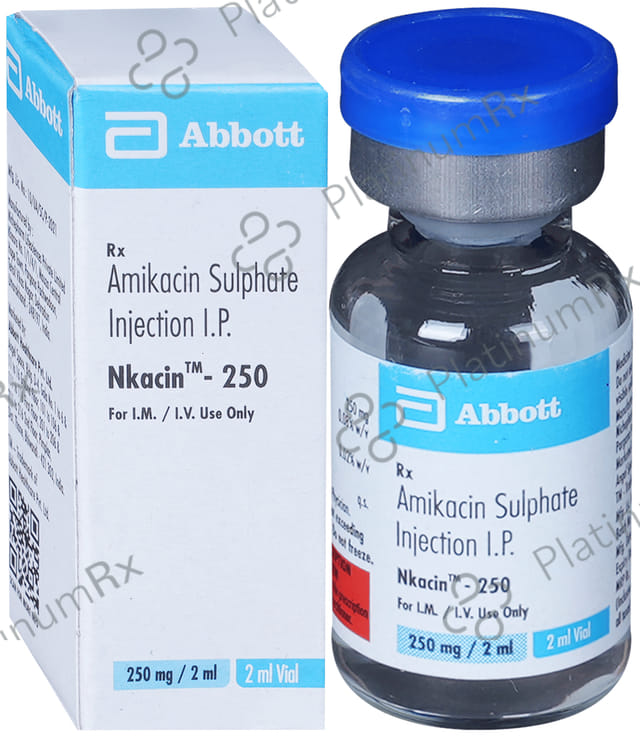
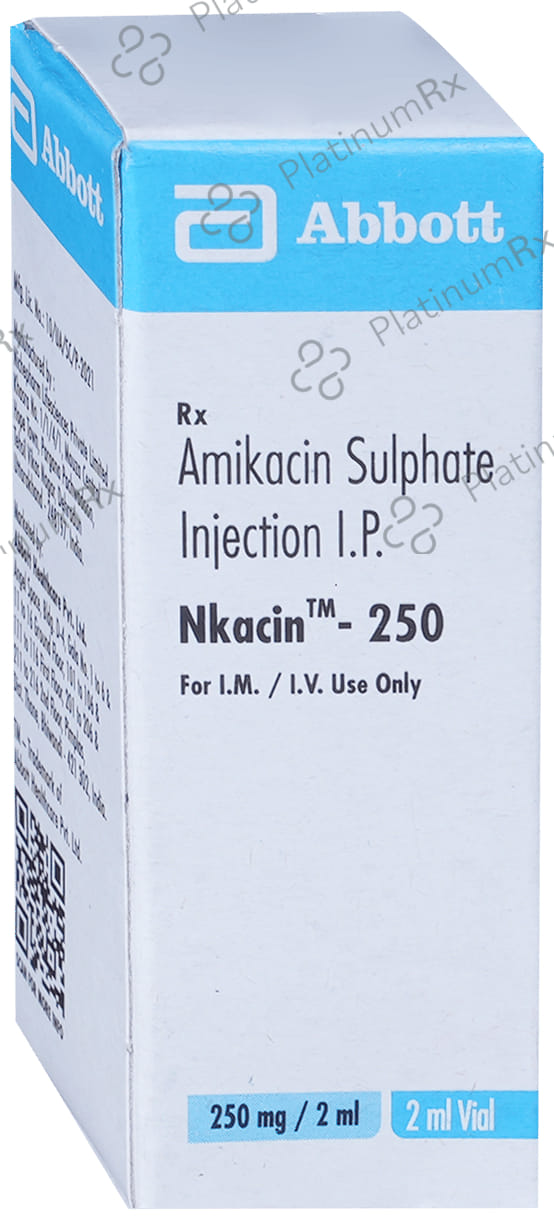
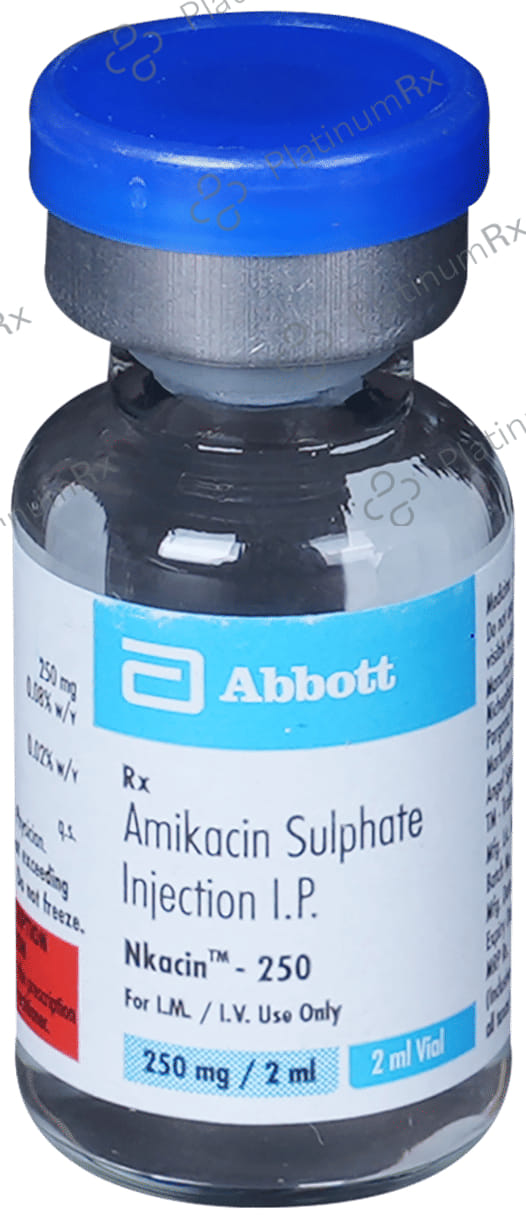
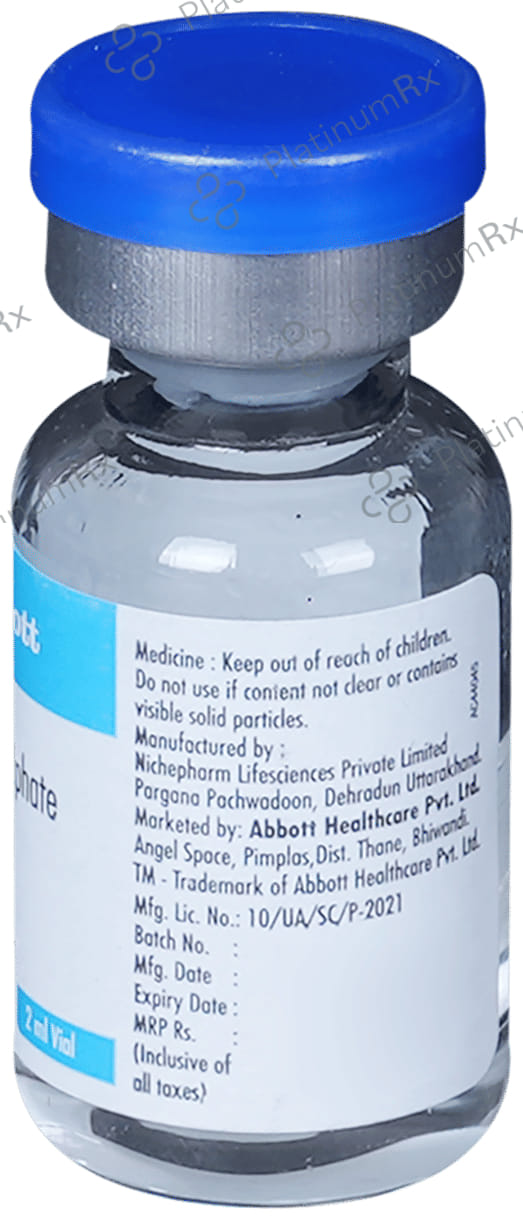
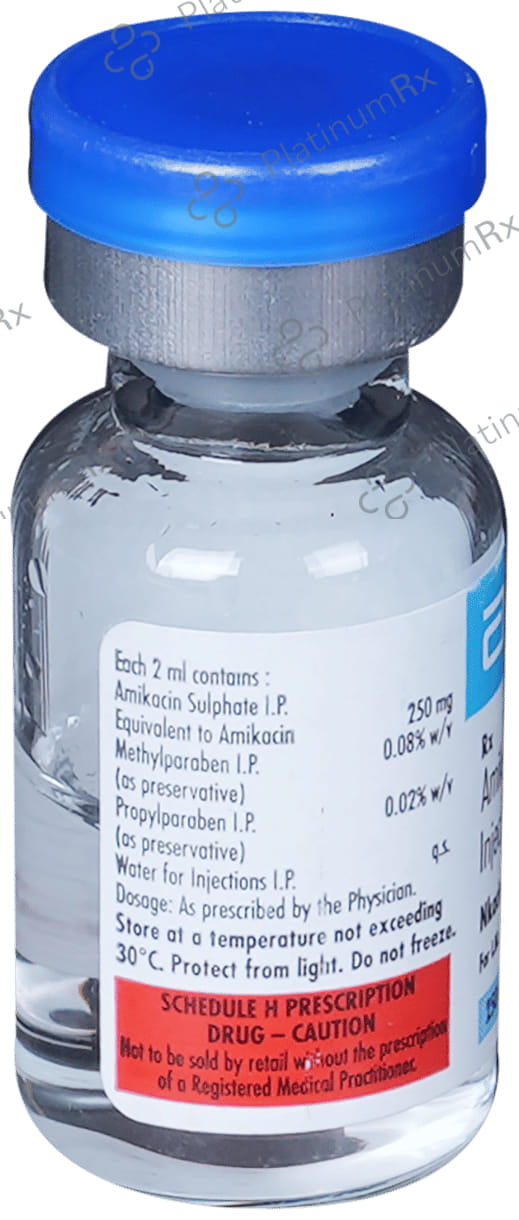
Amifed 250mg Injection 2ml

Amifed 250mg Injection 2ml is a broad-spectrum aminoglycoside antibiotic used to treat serious bacterial infections. It contains the active ingredient Amikacin, which is effective against multidrug-resistant Gram-negative bacteria that cause infections in the lungs, urinary tract, skin, bones, and bloodstream. By binding to bacterial ribosomes and inhibiting protein synthesis, Amifed 250mg Injection 2ml stops bacterial growth and eliminates severe infections. It is commonly prescribed for conditions such as pneumonia, complicated urinary tract infections, sepsis, and infections caused by Pseudomonas or Acinetobacter.

Delivery by
...
FDA & GMP Certified
Long Expiry (>8 Months)
15 Days Easy Returns
Medicine Comparison
Have a question?

Genuine Medicine
Pay On Delivery
Secure Payment

LegitScript Certified Online Pharmacy


View content in
 English
Quick Summary
Amifed 250mg Injection 2ml is a broad-spectrum aminoglycoside antibiotic used to treat serious bacterial infections. It contains the active ingredient Amikacin, which is effective against multidrug-resistant Gram-negative bacteria that cause infections in the lungs, urinary tract, skin, bones, and bloodstream. By binding to bacterial ribosomes and inhibiting protein synthesis, Amifed 250mg Injection 2ml stops bacterial growth and eliminates severe infections. It is commonly prescribed for conditions such as pneumonia, complicated urinary tract infections, sepsis, and infections caused by Pseudomonas or Acinetobacter.
Detailed Description
Amifed 250mg Injection 2ml contains Amikacin, a broad-spectrum aminoglycoside antibiotic from the kanamycin class, used for the treatment of serious bacterial infections in adults and children. It is prescribed when infections are caused by multidrug-resistant Gram-negative bacteria and require powerful systemic antibacterial therapy.
Amikacin works by binding to the 30S ribosomal subunit of bacteria. This inhibits protein synthesis by interfering with the initiation complex, causing misreading of the genetic code and inhibiting translocation. Ultimately, this leads to the production of defective proteins and bacterial death.
Amifed 250mg Injection 2ml is commonly indicated for severe infections such as hospital-acquired pneumonia, complicated urinary tract infections, intra-abdominal infections, sepsis, bone and joint infections, and skin infections. It is particularly effective against Pseudomonas aeruginosa, Acinetobacter, Enterobacteriaceae, and other resistant Gram-negative bacteria when susceptibility is confirmed.
By directly targeting bacterial protein synthesis, Amifed 250mg Injection 2ml helps control life-threatening infections, supports faster recovery from sepsis and severe pneumonia, and reduces complications associated with multidrug-resistant bacteria. Monitoring of kidney function and hearing is essential during treatment to ensure safety and optimal effectiveness. Always follow prescribed dosing and complete the full course as advised by healthcare providers.
Uses of Amifed 250mg Injection 2ml
Amifed 250mg Injection 2ml is indicated for serious bacterial infections in adults and children:
- Hospital-acquired pneumonia from Gram-negative bacteria
- Sepsis and bloodstream infections, including neonatal sepsis
- Intra-abdominal infections like peritonitis
- Bone and joint infections (osteomyelitis, septic arthritis)
- Complicated urinary tract infections from resistant organisms
Benefits of Amifed 250mg Injection 2ml
- Effective against multidrug-resistant Gram-negative bacteria, including Pseudomonas aeruginosa and Acinetobacter
- Rapid bactericidal action by inhibiting bacterial protein synthesis
- Synergistic with beta-lactam antibiotics for enhanced efficacy
- Gold standard treatment for Pseudomonas infections
- Critical for life-threatening hospital infections and sepsis management
Side Effects of Amifed 250mg Injection 2ml
When used as directed under medical supervision, Amifed 250mg Injection 2ml is generally safe for serious infections. Side effects require monitoring due to kidney and ear risks.
Common Side Effects (Mild and temporary):
- Nausea or vomiting
- Mild pain at the administration site
- Rash or itching
Serious Side Effects (Stop treatment and seek urgent medical attention if you experience):
- Kidney damage: Decreased urine, swelling, fatigue
- Hearing loss or balance problems (ototoxicity)
- Severe allergic reactions: Rash, swelling, breathing difficulty
- Neuromuscular blockade: Muscle weakness, breathing difficulty
- High blood levels can cause seizures or coma.
Directions for Use
- Administration: Given by a healthcare professional. Never self-administer.
- Consistency: Follow the exact dosing schedule; levels monitored by blood tests.
- Hydration: Ensure adequate fluid intake to protect the kidneys.
- Complete the Course: Finish the full treatment duration even if improving. Regular kidney/hearing tests are required during therapy.
How it works
Amifed 250mg Injection 2ml contains Amikacin, a broad-spectrum aminoglycoside antibiotic belonging to the kanamycin class. It works by directly targeting bacterial protein synthesis:
- 30S Ribosomal Subunit Binding: Amikacin binds irreversibly to the 30S subunit of the bacterial ribosome. This disrupts the initiation complex formation needed for translation.
- mRNA Misreading: It causes incorrect reading of the mRNA genetic code, leading to the production of defective, non-functional proteins essential for bacterial survival.
- Translocation Inhibition: Blocks the movement of the ribosome along mRNA, halting protein chain elongation and causing premature termination.
- Bactericidal Effect: The accumulation of faulty proteins and blocked synthesis leads to bacterial cell death rather than mere growth inhibition.
Because of this precise ribosomal targeting, Amifed 250mg Injection 2ml is highly effective against multidrug-resistant Gram-negative bacteria, including Pseudomonas aeruginosa, making it suitable for treating severe hospital-acquired pneumonia, sepsis, and complicated infections. Amikacin's mechanism is specific to bacterial ribosomes and does not affect human protein synthesis, providing powerful therapy for life-threatening infections under medical supervision.
Safety Advice for Amifed 250mg Injection 2ml

PREGNANCY
CAUTION
Category D; potential fetal kidney/ear damage. Use only if life-threatening infection and no safer alternatives.

BREASTFEEDING
AVOID
Passes into breast milk; risk of infant ototoxicity. Discontinue nursing or drug.

DRIVING
NO INTERACTION
No CNS effects affecting alertness or coordination.

LIVER
CAUTION
Dose adjustment in liver impairment; monitor liver function tests.

KIDNEY
CAUTION
Primarily kidney-excreted; requires dose adjustment and monitoring in renal impairment.

ALCOHOL
NO INTERACTION
No known alcohol interactions.
FOOD
NO INTERACTION
No significant food restrictions.

LIFESTYLE
CRITICAL MONITORING
Regular kidney function, hearing tests, and blood levels required during treatment. Avoid dehydration.
Quick Tips for Amifed 250mg Injection 2ml
- Kidney Monitoring: Regular blood tests are required to check kidney function and drug levels. Report decreased urine or swelling immediately.
- Hearing Protection: Baseline hearing test needed. Stop treatment if ringing in the ears (tinnitus), dizziness, or balance issues occur.
- Hydration Critical: Drink plenty of fluids to protect the kidneys from toxicity.
- Complete Full Course: Finish the entire prescribed duration, even if improving early, to prevent resistance.
- Report Muscle Weakness: Stop immediately if breathing difficulty or severe weakness occurs.
- Avoid Dehydration: Vomiting/diarrhoea increases toxicity risk; seek medical advice.
Storage Advice
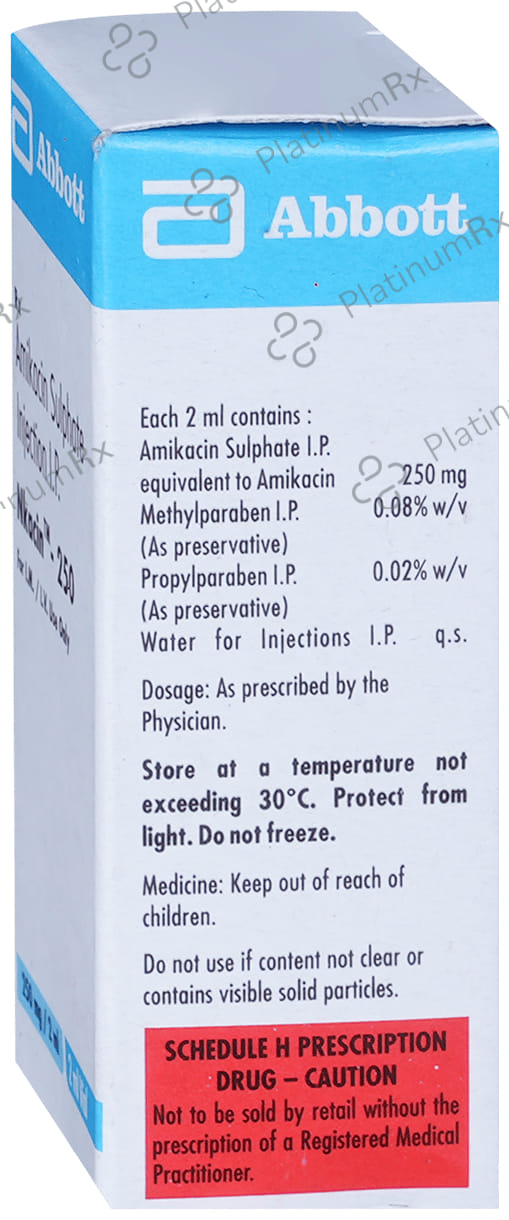
Store below 25°C in a cool, dry place. Protect from light. Keep out of children's reach.
Drug-Food Interaction
- No significant food interactions. Can be taken without regard to meals.
Interactions with Other Drugs
- Neuromuscular Blockers: Potentiates effects; risk of respiratory paralysis.
- Loop Diuretics (Furosemide): Increases nephrotoxicity risk.
- Other Aminoglycosides: Additive kidney and ear toxicity; avoid concurrent use.
- Potent Diuretics: Dehydration increases toxicity risk.
Drug-Disease Interactions
- Kidney Disease: Primary excretion route; dose adjustment and monitoring are essential to prevent toxicity.
- Hearing Loss/Ototoxicity History: High risk of permanent hearing damage; baseline audiometry required.
- Myasthenia Gravis: May worsen muscle weakness due to neuromuscular blockade.
- Parkinson's Disease: Risk of neurotoxicity and worsening symptoms.
Daily Dose
- Adults: 15 mg/kg/day (max 1.5g/day) in divided doses.
- Neonates/Children: 15-22.5 mg/kg/day.
Dosing adjusted by blood levels and kidney function.
Overdose
Symptoms include kidney failure, hearing loss, and paralysis. Action Required: Seek emergency medical care immediately; hemodialysis may be needed.
What If You Forget to take Amifed 250mg Injection 2ml?
Administered by healthcare professionals. Follow the hospital dosing schedule strictly.
FAQ
Fact Box
Therapeutic Class
Anti-Infective / Antibiotic
Action Class
30S Ribosomal Inhibitor
Chemical Class
Aminoglycoside
Habit Forming
No
Disclaimer
PlatinumRx is committed to providing reliable and accurate information to support informed customer decisions. However, all information made available on the Platform, including product descriptions, comparisons, and other content, is provided solely for general informational purposes. Such information is not intended to diagnose, prevent, treat, or cure any medical condition, nor should it be relied upon as a substitute for professional medical advice, diagnosis, or treatment.

Customers also bought









More Medicines By Fedley Healthcare Pvt. Ltd.
More Medicines With Amikacin 250mg
Top Selling Medicines
Top Selling Devices
Top Selling Health Products