10 D 10% Injection 500ml

10 D 10% Injection is used for short term fluid replacement. It works by replenishing fluid loss. Thus, it treats hypovolemia that can result due to dehydration, injury, or burns.10 D 10% Injection must be administered under the supervision of a healthcare professional. You should not take it if you have any known allergy to this injection. Your doctor may check your blood pressure and ask you to get regular blood tests done while you are using this injection.The most common side effects include injection site reactions such as pain, swelling, and redness. Inform your doctor if you are pregnant or suffering from kidney or liver diseases. In the case of breastfeeding mothers, this injection should be used with caution and it should be advised to hold breastfeeding till the time the treatment of the mother gets completed and the content of this injection gets eliminated from the body.
Otsuka Pharmaceutical India Pvt. Ltd.
FDA & GMP Certified
Long Expiry (>8 Months)
15 Days Easy Returns
General Information
Have a question?

Genuine Medicine
Pay On Delivery
Secure Payment

LegitScript Certified Online Pharmacy


More About 10 D 10% Injection 500ml
Quick Summary
10 D 10% Injection is used for short term fluid replacement. It works by replenishing fluid loss. Thus, it treats hypovolemia that can result due to dehydration, injury, or burns.10 D 10% Injection must be administered under the supervision of a healthcare professional. You should not take it if you have any known allergy to this injection. Your doctor may check your blood pressure and ask you to get regular blood tests done while you are using this injection.The most common side effects include injection site reactions such as pain, swelling, and redness. Inform your doctor if you are pregnant or suffering from kidney or liver diseases. In the case of breastfeeding mothers, this injection should be used with caution and it should be advised to hold breastfeeding till the time the treatment of the mother gets completed and the content of this injection gets eliminated from the body.
Benefits of 10 D 10% Injection 500ml
Short term fluid replacement after trauma
In Short term fluid replacement after trauma : Appropriate fluid replacement is very essential to restore normal brain activity and other vital functions of the body to promote healing as well as speedy recovery. 10 D 10% Injection helps restore this fluid imbalance and aids in improving the overall health of the patient. It is given as an injection by a doctor or nurse and should not be self-administered.
Side Effects of 10 D 10% Injection 500ml
Side effects of D Injection The majority of side effects typically do not necessitate medical intervention. and disappear as your body adjusts to the medicine. Doctor consultation is advised if they persist or if you�re worried about them Common side effects of DInjection site reactions (pain, swelling, redness)
Directions for Use
How to use D Injection Your doctor or nurse will give you this medicine. Kindly do not self administer.
How it works
How D Injection works10 D 10% Injection works by replacing fluid loss.

Alcohol
Consult your Doctor: Please consult your doctor regarding the safety of consuming alcohol with 10 D 10% Injection . Experts have not found evidence of alcohol impairing the effectiveness of the medicine.

Pregnancy
10 D 10% Injection may be unsafe to use during pregnancy. Although there are limited studies in humans, animal studies have shown harmful effects on the developing baby. Your doctor will weigh the benefits and any potential risks before prescribing it to you. Doctor consultation is advised.

Breast feeding
10 D 10% Injection should be used with caution during breastfeeding. Breastfeeding should be held until the treatment of the mother is completed and the drug is eliminated from her body.

Driving
It is not known whether 10 D 10% Injection alters the ability to drive. Do not drive if you experience any symptoms that affect your ability to concentrate and react.

Kidney
10 D 10% Injection is probably unsafe to use in patients with kidney disease and should be avoided. Doctor consultation is advised.Caution should be advised in patients with renal impairment.

Liver
10 D 10% Injection should be used with caution in patients with liver disease. Dose adjustment of 10 D 10% Injection may be needed. Doctor consultation is advised.
Storage Advice
Store in a cool and dry place, and keep the temperature below 30�C
Quick Tips for 10 D 10% Injection 500ml
10 D 10% Injection is used to provide your body with extra water and carbohydrates (calories from sugar). It is used when a patient is not able to drink enough liquids or when additional fluids are needed after any surgery or trauma. 10 D 10% Injection should be used with caution in patients with diabetes, hypokalemia (low potassium), peripheral edema (swelling in the arms, feet, or legs)or pulmonary edema (when fluids build up in the lungs). Your blood sugar level will be monitored regularly while taking 10 D 10% Injection.
Manufacturer Address
Village - Vasana - Chacharwadi, Tal - Sanand, Ahmedabad Ahmedabad GJ 382213 IN
Disclaimer
PlatinumRx is committed to providing reliable and accurate information to support informed customer decisions. However, all information made available on the Platform, including product descriptions, comparisons, and other content, is provided solely for general informational purposes. Such information is not intended to diagnose, prevent, treat, or cure any medical condition, nor should it be relied upon as a substitute for professional medical advice, diagnosis, or treatment.

Customers also bought

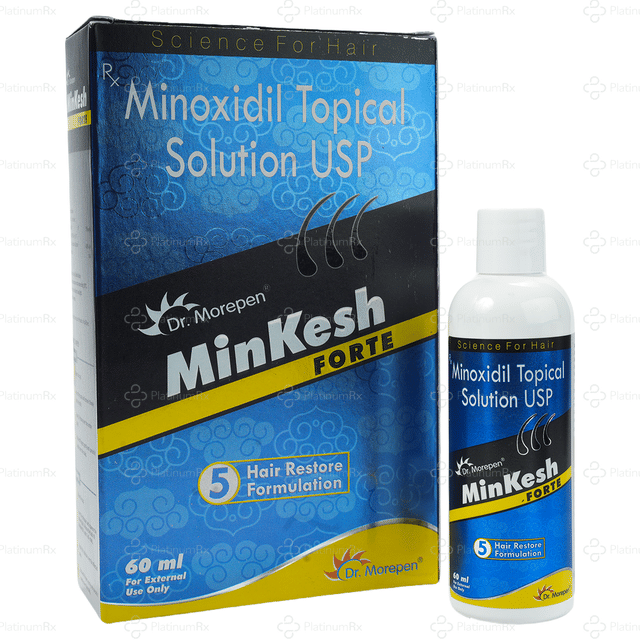
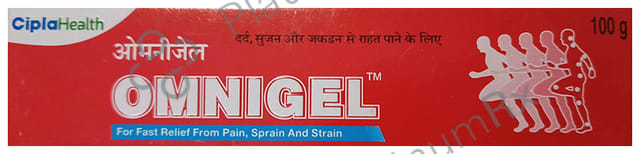
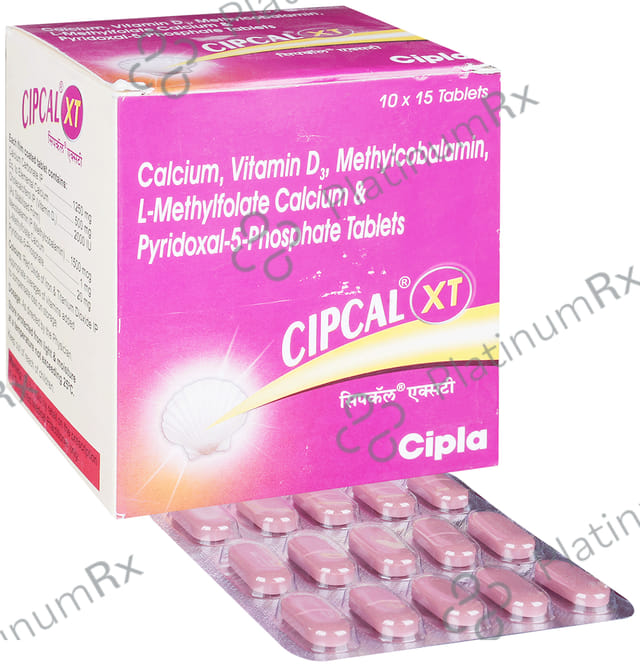
More Medicines By Otsuka Pharmaceutical India Pvt. Ltd.
More Medicines With Dextrose 10% w/v
Top Selling Medicines
Top Selling Devices
Top Selling Health Products