
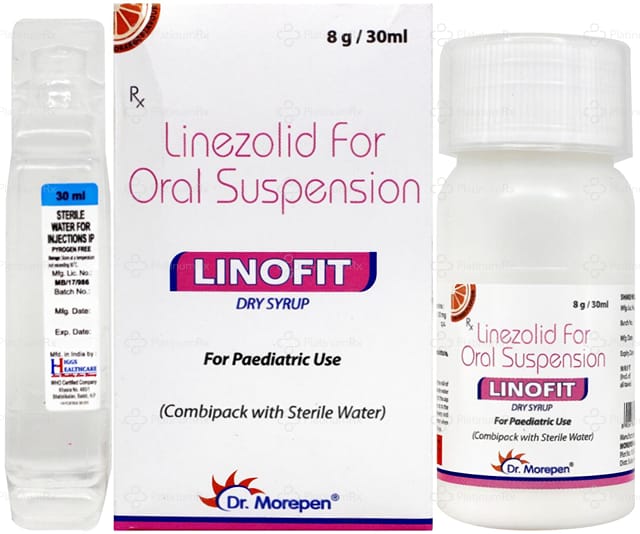
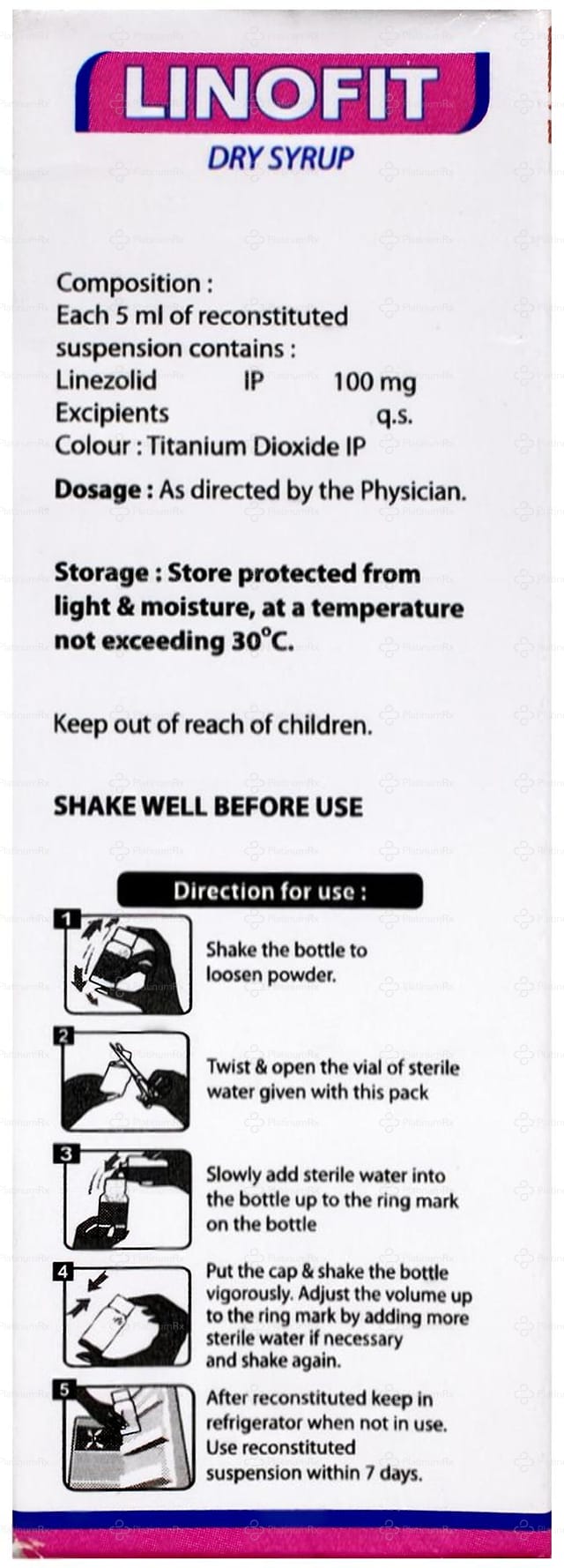
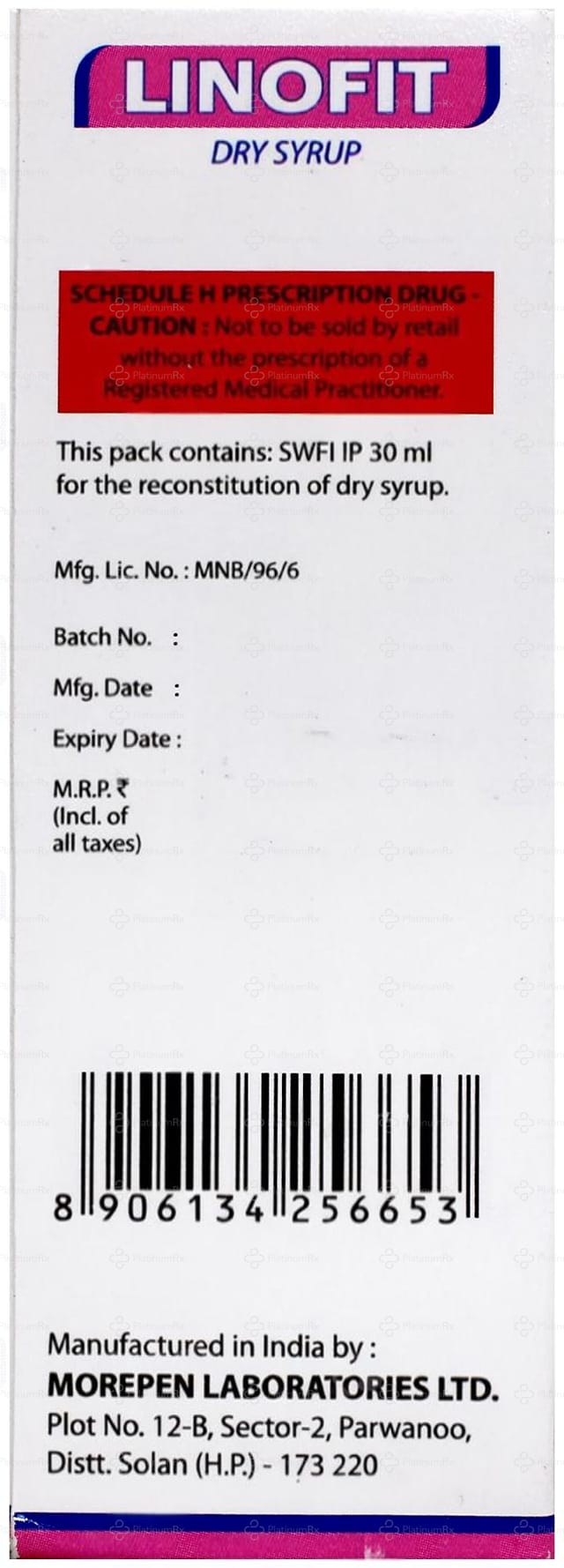
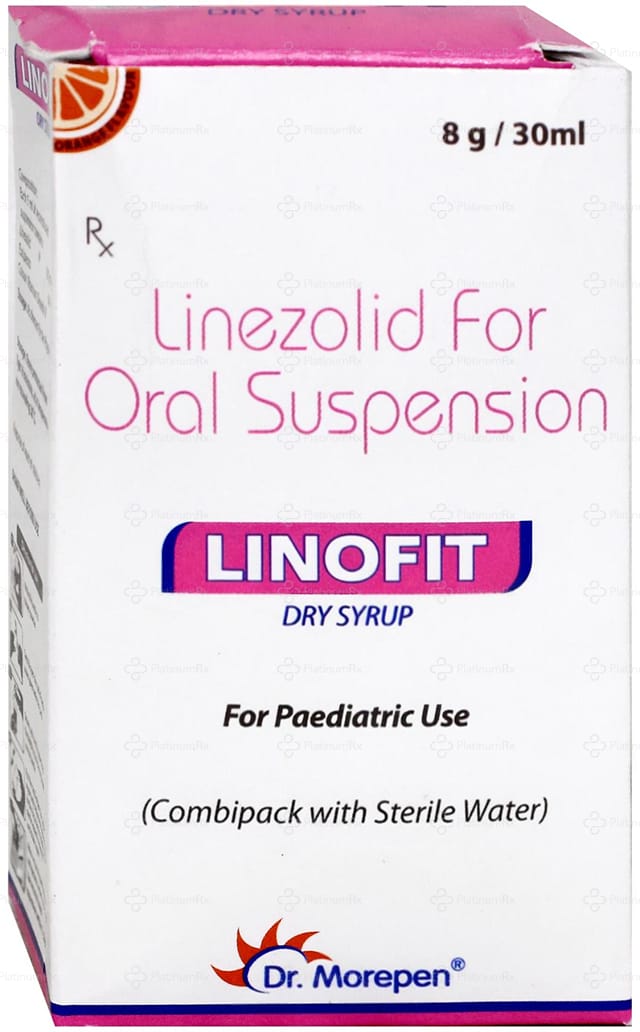
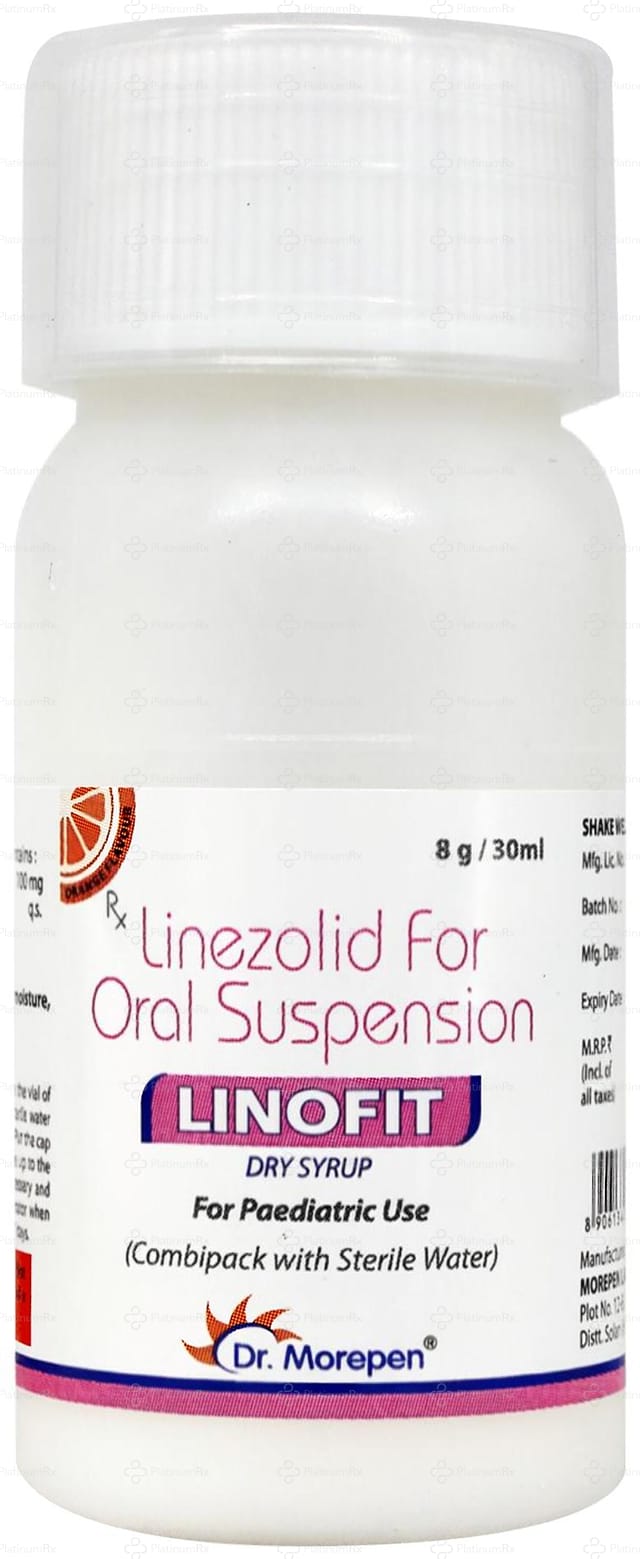
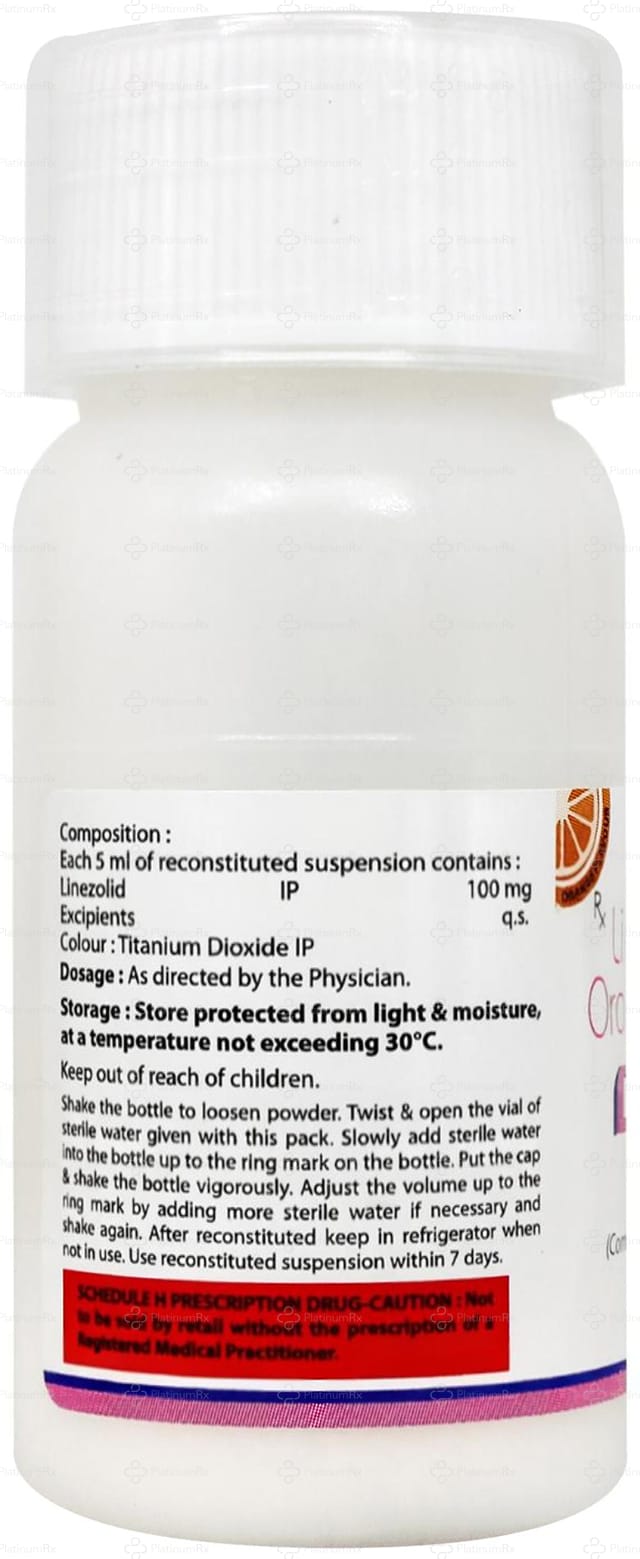
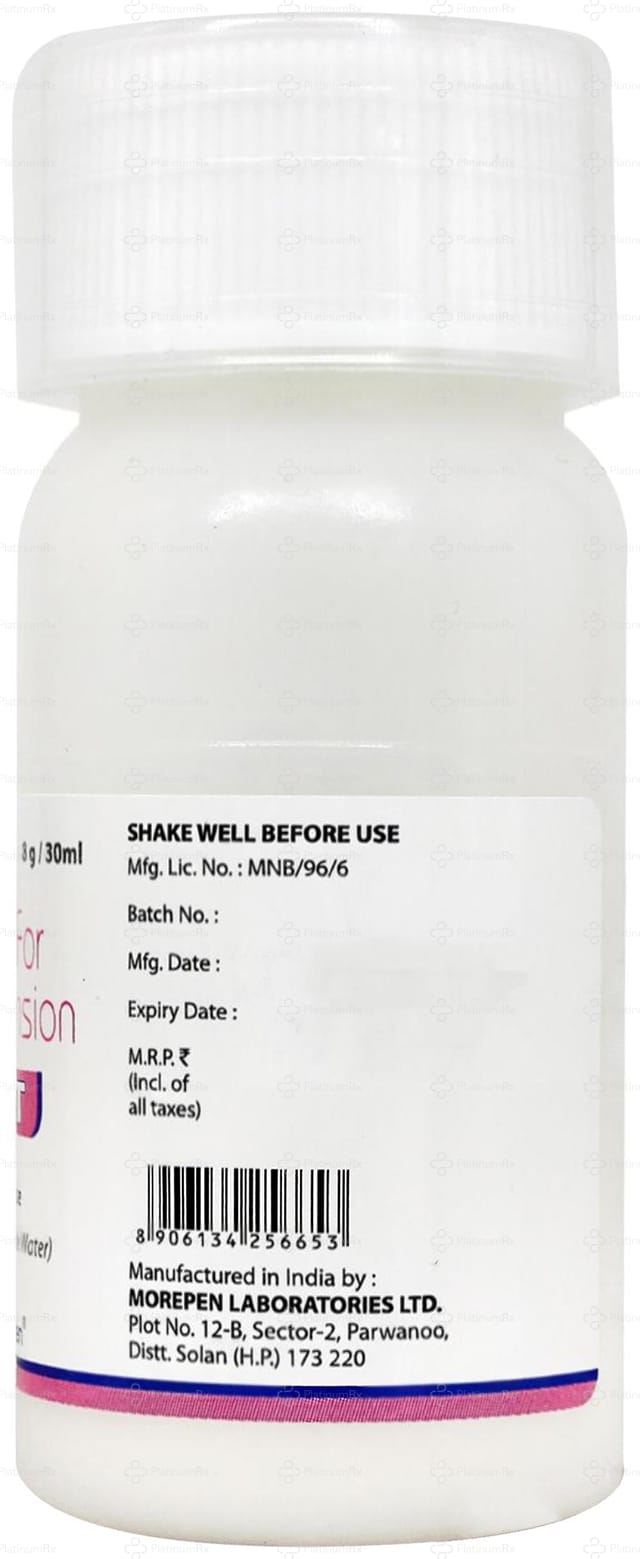



Lizolid Dry Syrup 30ml
Integrace Pvt. Ltd.
Bottle of 30 ml
₹116.72
₹140.63
17% Off
Linomark D 100mg Syrup एक प्रिस्क्रिप्शन एंटीबायोटिक है जिसका उपयोग गंभीर बैक्टीरियल संक्रमणों के इलाज के लिए किया जाता है जो ग्राम-पॉजिटिव जीवों के कारण होते हैं, विशेष रूप से वे जो मानक एंटीबायोटिक्स के प्रति प्रतिरोधी होते हैं। यह मेथिसिलिन-प्रतिरोधी स्टैफिलोकोकस ऑरियस (MRSA), वैनकोमाइसिन-प्रतिरोधी एंटरोकोकस (VRE), और अन्य कठिन-से-इलाज संक्रमणों के खिलाफ प्रभावी है। Linomark D 100mg Syrup बैक्टीरियल प्रोटीन संश्लेषण को रोककर काम करता है, इस प्रकार बैक्टीरियल वृद्धि और प्रसार को रोकता है। इसे आमतौर पर गंभीर त्वचा संक्रमणों, निमोनिया, और कुछ रक्त प्रवाह संक्रमणों के लिए निर्धारित किया जाता है जब वैकल्पिक एंटीबायोटिक्स अप्रभावी या अनुपयुक्त होते हैं।
...
तक डिलीवरी
FDA & GMP प्रमाणित
लंबी एक्सपायरी (>8 महीने)
15 दिनों में आसान वापसी
Have a question?
असली दवा
डिलीवरी पर भुगतान
सुरक्षित भुगतान

LegitScript प्रमाणित ऑनलाइन फार्मेसी
View content in
 हिंदी
हिंदी
Linomark D 100mg Syrup एक प्रिस्क्रिप्शन एंटीबायोटिक है जिसका उपयोग गंभीर बैक्टीरियल संक्रमणों के इलाज के लिए किया जाता है जो ग्राम-पॉजिटिव जीवों के कारण होते हैं, विशेष रूप से वे जो मानक एंटीबायोटिक्स के प्रति प्रतिरोधी होते हैं। यह मेथिसिलिन-प्रतिरोधी स्टैफिलोकोकस ऑरियस (MRSA), वैनकोमाइसिन-प्रतिरोधी एंटरोकोकस (VRE), और अन्य कठिन-से-इलाज संक्रमणों के खिलाफ प्रभावी है। Linomark D 100mg Syrup बैक्टीरियल प्रोटीन संश्लेषण को रोककर काम करता है, इस प्रकार बैक्टीरियल वृद्धि और प्रसार को रोकता है। इसे आमतौर पर गंभीर त्वचा संक्रमणों, निमोनिया, और कुछ रक्त प्रवाह संक्रमणों के लिए निर्धारित किया जाता है जब वैकल्पिक एंटीबायोटिक्स अप्रभावी या अनुपयुक्त होते हैं।
Linomark D 100mg Syrup एक विशिष्ट एंटीबायोटिक्स वर्ग से संबंधित है जिसे ऑक्साज़ोलिडिनोन्स कहा जाता है, जो विशेष रूप से प्रतिरोधी ग्राम-धनात्मक बैक्टीरिया से लड़ने के लिए विकसित किया गया है। कई पुराने एंटीबायोटिक्स के विपरीत, Linomark D 100mg Syrup उन जीवों के खिलाफ प्रभावी रहता है जिन्होंने पेनिसिलिन, सेफलोस्पोरिन, और यहां तक कि ग्लाइकोपेप्टाइड्स जैसे वैंकॉमाइसिन के प्रति प्रतिरोध विकसित किया है।
गंभीर बैक्टीरियल संक्रमण विशेष रूप से अस्पताल में एक महत्वपूर्ण चिकित्सीय चुनौती उत्पन्न करते हैं, जहाँ प्रतिरोधी जीव आम होते हैं। अस्पताल-जनित निमोनिया, जटिल त्वचा और नरम ऊतक संक्रमण, और प्रतिरोधी बैक्टीरिया के कारण रक्तप्रवाह संक्रमण जैसे संक्रमण, यदि सही तरीके से इलाज न किया जाए, तो अस्पताल में अधिक समय तक ठहराव, जटिलताओं में वृद्धि और उच्च मृत्यु दर का कारण बन सकते हैं। Linomark D 100mg Syrup इन संक्रमणों के प्रबंधन में एक महत्वपूर्ण भूमिका निभाता है जब प्रथम-रेखा उपचार विफल हो जाते हैं।
Linomark D 100mg Syrup मौखिक और अंतःशिरा दोनों रूपों में उपलब्ध है, जिसमें उत्कृष्ट मौखिक जैवउपलब्धता होती है। इसका अर्थ है कि रोगी अक्सर IV से मौखिक चिकित्सा में बिना प्रभावकारिता खोए संक्रमण के लिए स्विच कर सकते हैं, जिससे अस्पताल से जल्दी छुट्टी और उपचार में सुविधा मिलती है।
यह दवा बैक्टीरियल प्रोटीन संश्लेषण के एक महत्वपूर्ण प्रारंभिक चरण को रोककर कार्य करती है, जो बैक्टीरिया के जीवन के लिए आवश्यक प्रक्रिया है। मानक प्रतिरोध तंत्रों से अप्रभावित स्थल को लक्षित करके, Linomark D 100mg Syrup कई बहु-दवा प्रतिरोधी जीवों के खिलाफ सक्रिय बनी रहती है।
Linomark D 100mg Syrup को अल्पकालिक और सावधानीपूर्वक निगरानी में उपयोग के लिए निर्देशित किया जाता है, क्योंकि दीर्घकालिक चिकित्सा गंभीर दुष्प्रभावों से जुड़ी हो सकती है। इसलिए, इसका उपयोग आमतौर पर उन संक्रमणों के लिए आरक्षित होता है जिनकी पुष्टि या सशक्त संदेह होता है कि वे संवेदनशील जीवों के कारण हैं, कड़ी चिकित्सा निगरानी के तहत।
Linomark D 100mg Syrup वयस्कों में उन गंभीर संक्रमणों के प्रबंधन के लिए निर्धारित किया जाता है जो संवेदनशील ग्राम-पॉज़िटिव बैक्टीरिया से होते हैं, विशेष रूप से उन परिस्थितियों में जहां प्रतिरोध अन्य उपचार विकल्पों को सीमित करता है। इसका उपयोग सामान्यतः माइक्रोबायोलॉजिकल पुष्टि द्वारा मार्गदर्शित होता है।
स्वीकृत और सामान्यतः स्वीकार किए गए उपयोगों में शामिल हैं:
गहरे या व्यापक त्वचा संक्रमण के लिए उपयोग किया जाता है, इनमें मेथिसिलिन-प्रतिरोधी स्टेफाइलोकॉकस ऑरियस (MRSA) और अन्य प्रतिरोधी ग्राम-पॉज़िटिव जीवाणुओं द्वारा verursachte संक्रमण शामिल हैं।
अस्पताल में भर्ती के दौरान प्राप्त निमोनिया के लिए संकेतित, जिसमें वेंटिलेटर-संबंधित निमोनिया भी शामिल है, जब यह संवेदनशील ग्राम-पॉज़िटिव पैथोजेन द्वारा होता है।
यह उन चयनित मामलों में उपयोग किया जा सकता है जहाँ समुदाय अधिग्रहित निमोनिया में प्रतिरोधी ग्राम-पॉज़िटिव बैक्टीरिया की पहचान होती है या संदेह होता है।
VRE के कारण संक्रमणों के इलाज में प्रभावी, जिनमें गंभीर प्रणालीक और रक्तप्रवाह संबंधी संक्रमण शामिल हैं।
उन बैक्टीरमिया के इलाज के लिए उपयोग किया जाता है जो त्वचा, नरम ऊतक, या फेफड़ों के संक्रमणों से जुड़े होते हैं, जो Linezolid के प्रति संवेदनशील जीवाणुओं द्वारा उत्पन्न होते हैं।
जहाँ तक संभव हो, Linomark D 100mg Syrup के साथ उपचार संस्कृति और संवेदनशीलता परीक्षण द्वारा मार्गदर्शित होना चाहिए ताकि उचित एंटीबायोटिक चयन सुनिश्चित किया जा सके और प्रतिरोध विकास के जोखिम को कम किया जा सके।
MRSA, VRE और पेनिसिलिन-प्रतिरोधी स्टेप्टोकोक्की के खिलाफ सक्रिय
बैक्टीरियल प्रोटीन संश्लेषण को लक्षित करता है जो अधिकांश प्रतिरोध तंत्रों से अप्रभावित होता है
मौखिक टैबलेट IV चिकित्सा जितने प्रभावी हैं, जिससे स्टेप-डाउन उपचार संभव होता है
संक्रमण होने पर जीवाणु संवेदनशील होने पर दिनों में बुखार, सूजन, और संक्रमण संकेतक कम करता है
निगरानी के तहत मरीज और बाहरी दोनों उपचार के लिए उपयुक्त
जब पारंपरिक एंटीबायोटिक्स अप्रभावी होते हैं तब एक विश्वसनीय विकल्प प्रदान करता है
सभी एंटीबायोटिक्स की तरह, Linomark D 100mg Syrup के भी साइड इफेक्ट हो सकते हैं, विशेषकर लंबे समय तक उपयोग करने पर।
1. मतली या उल्टी
2. दस्त
3. सिरदर्द
4. धात्विक या बदला हुआ स्वाद
5. हल्का पेट में असुविधा
1. चक्कर आना
2. अनिद्रा
3. दाने या खुजली
4. जिगर के एंजाइम्स में हल्का वृद्धि
1. मायेलोसप्रेशन (थक्का ब्लड कोशिकाओं में कमी, एनीमिया, या श्वेत रक्त कोशिका में कमी)
2. परिधीय न्यूरोपैथी (सूंई चुभने का एहसास, सुन्नता, जलन)
3. ऑप्टिक न्यूरोपैथी (धुंधली दृष्टि, दृष्टि में परिवर्तन)
4. लैक्टिक एसिडोसिस (गहरी सांसें लेना, लगातार मतली, कमजोरी)
5. सेरोटोनिन सिंड्रोम तब होता है जब serotonergic दवाओं के साथ संयोजन में लिया जाए
6. गंभीर एलर्जिक प्रतिक्रियाएं (सूजन, साँस लेने में कठिनाई)
1. खुराक:600 mg हर 12 घंटे में, निर्देशानुसार
2. मार्ग:मौखिक टैबलेट या अंतःशिरा इन्फ्यूजन
3. खाने के साथ या बिना:खाने के साथ या बिना लिया जा सकता है
4. अवधि:आमतौर पर 7–14 दिन, संक्रमण की गंभीरता पर निर्भर करता है
5. संगति:प्रत्येक दिन एक ही समय पर दवाएँ लें
6. समाप्ति: हमेशा पूरी निर्धारित अवधि पूरी करें
लक्षणों में सुधार होने पर भी उपचार को जल्दी बंद न करें, जब तक डॉक्टर सलाह न दें।
Linomark D 100mg Syrup एक बैक्टीरियोस्टैटिक एंटीबायोटिक है जो प्रारंभिक चरण में बैक्टीरियल प्रोटीन संश्लेषण को अवरुद्ध करके कार्य करता है।
प्रोटीन संश्लेषण का निषेध
Linomark D 100mg Syrup 50S राइबोसोमल सबयूनिट के 23S हिस्से से जुड़ता है, जिससे बैक्टीरियल प्रोटीन उत्पादन के लिए आवश्यक प्रारंभिक कॉम्प्लेक्स का निर्माण नहीं हो पाता। इसके बिना, बैक्टीरिया वृद्धि और प्रतिकृति के लिए आवश्यक महत्वपूर्ण प्रोटीन का उत्पादन नहीं कर सकते।
प्रतिरोधी जीवों के खिलाफ सक्रियता
क्योंकि Linomark D 100mg Syrup एक अद्वितीय बाइंडिंग साइट को लक्षित करता है, अन्य एंटीबायोटिक वर्गों के साथ क्रॉस-प्रतिरोध असामान्य है। इससे यह उन बैक्टीरिया के खिलाफ प्रभावी होता है जो बीटा-लैक्टाम्स, मैक्रोलाइड्स, और ग्लाइकोपेप्टाइड्स के प्रति प्रतिरोधी हैं।
बैक्टीरियल वृद्धि का दमन
प्रोटीन संश्लेषण को रोककर, Linomark D 100mg Syrup बैक्टीरियल गुणन को रोकता है, जिससे प्रतिरक्षा प्रणाली संक्रमण को साफ कर सकती है।

केवल तब उपयोग करें जब स्पष्ट रूप से आवश्यक हो और निर्देशित हो

सावधानी की सलाह; डॉक्टर से परामर्श करें

यदि चक्कर या दृष्टि परिवर्तनों का अनुभव हो तो बचें
निगरानी के साथ उपयोग करें

आमतौर पर डोज़ समायोजन की आवश्यकता नहीं होती

सेवन सीमित करें; दुष्प्रभावों को बढ़ा सकता है

क़रीबी निगरानी की सिफारिश की जाती है
1. दवाएं ठीक 12 घंटे के अंतराल पर लें
2. तुरंत खरोंच, रक्तस्राव, या दृष्टि में बदलाव की सूचना दें
3. थेरेपी के दौरान स्वयं-चिकित्सा से बचें, खासकर antidepressants के साथ
4. उच्च-टाय्रामाइन युक्त खाद्य पदार्थों से बचें
5. लंबे कोर्स के लिए नियमित रक्त परीक्षण आवश्यक हो सकते हैं
6. बचे हुए टैबलेट्स को भविष्य में संक्रमण के लिए पुनः उपयोग न करें
25°C से नीचे एक ठंडी, सूखी जगह में, प्रकाश और नमी से दूर रखें। बच्चों की पहुंच से दूर रखें।
Linomark D 100mg Syrup एक रिवर्सिबल मोनोअमाइन ऑक्सिडेज इन्जिबिटर (MAOI) है।
तय्रामिन युक्त खाद्य पदार्थों की बड़ी मात्रा से बचें, जैसे:
1. परिपक्व पनीर
2. संरक्षित मांस
3. किण्वित खाद्य पदार्थ
4. सोया सॉस
5. मद्यपान (विशेष रूप से बीयर और वाइन)
अत्यधिक तय्रामिन सेवन से रक्तचाप में खतरनाक बढ़ोतरी हो सकती है।
1. एंटीडिप्रेसेंट्स (SSRIs, SNRIs, TCAs): सेरोटोनिन सिंड्रोम का जोखिम
2. MAO इन्हिबिटर्स: प्रतिबंधित
3. सिंपाथोमिमेटिक्स (जैसे, स्यूडोएफेड्रीन): रक्तचाप बढ़ने का जोखिम
4. डोपामिनर्जिक एजेंट्स: ध्यानपूर्वक निगरानी करें
आप जो सभी दवाएँ ले रहे हैं, उसके बारे में हमेशा अपने डॉक्टर को सूचित करें।
1. रक्त विकार (एनीमिया, थ्रॉम्बोसाइटोपेनिया)
2. अनियंत्रित उच्च रक्तचाप
3. थायरायड विकार
4. दौरे संबंधी विकार
थेराप्यूटिक क्लास
गंभीर ग्राम-पॉजिटिव संक्रमण, MRSA, VRE
एक्शन क्लास
मौखिक या अंतःशिरा
केमिकल क्लास
Oxazolidinone antibiotic
आदत बनाने वाली
नहीं
PlatinumRx is committed to providing reliable and accurate information to support informed customer decisions. However, all information made available on the Platform, including product descriptions, comparisons, and other content, is provided solely for general informational purposes. Such information is not intended to diagnose, prevent, treat, or cure any medical condition, nor should it be relied upon as a substitute for professional medical advice, diagnosis, or treatment.

More Medicines By Mestra Pharma Pvt. Ltd.
More Medicines With Linezolid 100mg
Top Selling Medicines
Top Selling Devices
Top Selling Health Products