Medicine for Vitamin D Deficiency


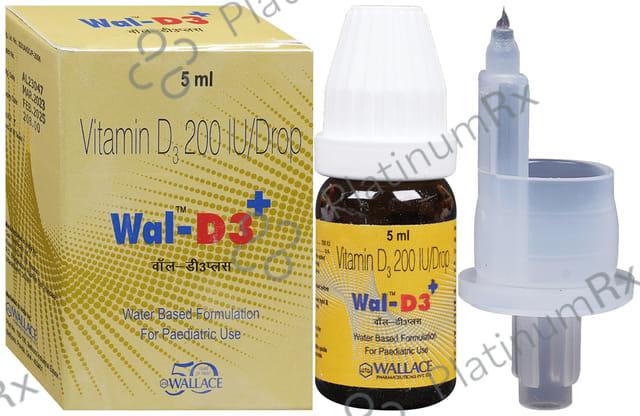
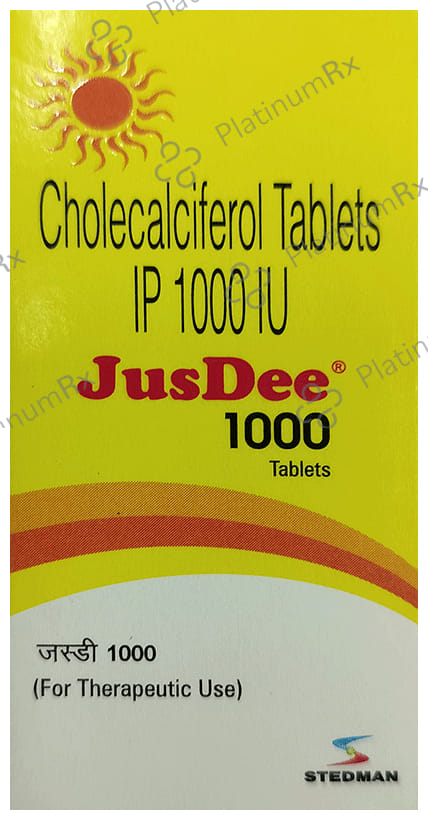
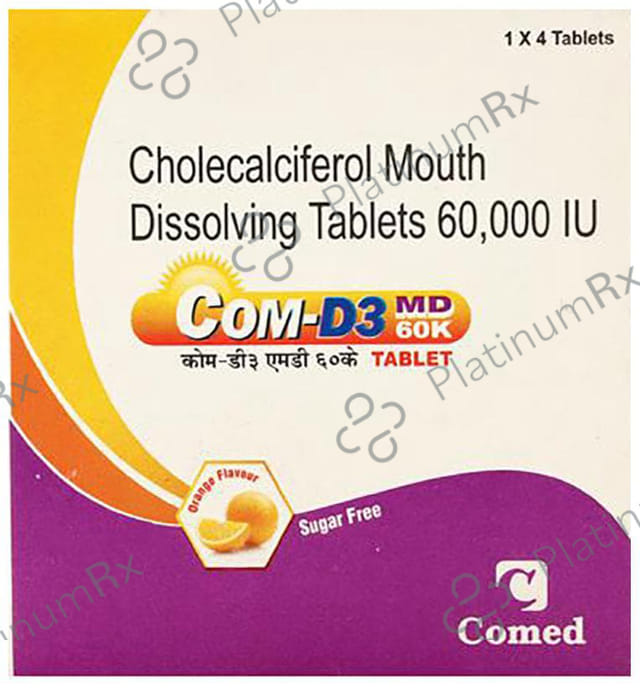

Types of Medicines Used for Vitamin D Deficiency
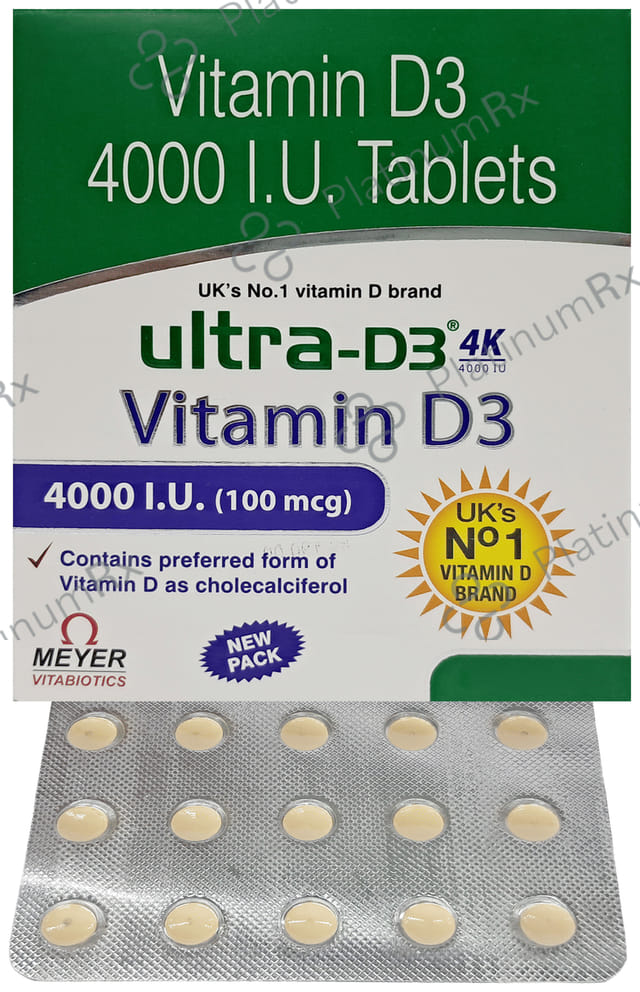
- Vitamin D3 (cholecalciferol) supplements- The most commonly used form of vitamin D supplementation, available in various strengths depending on the level of deficiency.
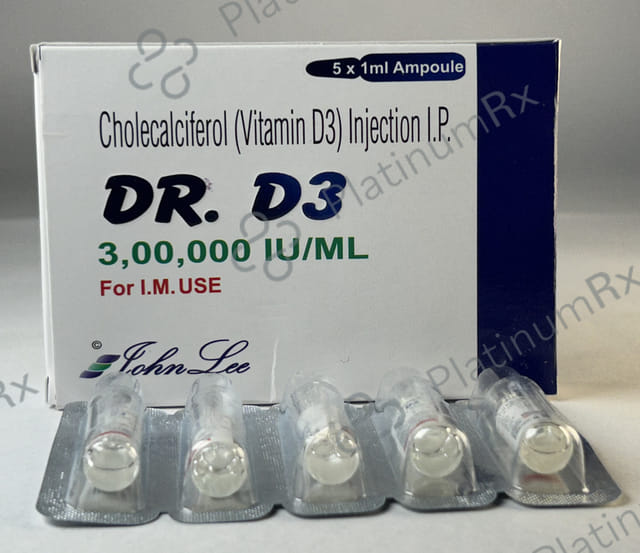
- High-dose vitamin D formulations- Used for more significant deficiencies, often given as a weekly or monthly dose initially to correct levels faster.
- Vitamin D with calcium combinations- Support bone health more comprehensively, particularly useful for people at risk of bone-related complications.
- Maintenance dose supplements- Lower daily doses used for long-term maintenance once vitamin D levels have been corrected.
How Do Medicines for Vitamin D Deficiency Work?
Vitamin D supplements work by providing the body with the vitamin D it isn't getting enough of from sunlight or diet. Vitamin D helps the body absorb calcium from food, which is essential for maintaining strong bones and supporting muscle and immune function.
Correcting a significant deficiency often starts with a higher dose before switching to a lower, ongoing maintenance dose.
How to Choose the Right Medicine for Vitamin D Deficiency?
The right medicine depends on several personal factors, including:
- How low your vitamin D levels are, based on blood tests
- Your age and overall health
- Other conditions you may have, like kidney disease
- Other medicines you're currently taking
- Your doctor's assessment and prescription
Dosage & How to Take Medicines for Vitamin D Deficiency
Dosage varies significantly between different vitamin D products, depending on how deficient you are, so there's no single dose that fits everyone. Always follow what your doctor has prescribed.
General points to keep in mind:
- Take vitamin D supplements with a meal containing some fat, as this helps absorption
- Follow the specific schedule prescribed, whether daily, weekly, or monthly
- If a dose is missed, take it as soon as you remember, unless it's close to the next scheduled dose
- Avoid taking more than the recommended dose, as excess vitamin D can also cause health problems
- Follow up with blood tests as advised to monitor your vitamin D levels
Side Effects & Precautions
Common Side Effects
Vitamin D supplements are generally very well tolerated at recommended doses. Excessive doses can rarely cause nausea, weakness, or elevated calcium levels.
Precautions
- Inform your doctor about any known allergies before starting a new supplement
- Let your doctor know about kidney conditions, as these can affect vitamin D and calcium processing
- Pregnant or breastfeeding women should check with a doctor about appropriate vitamin D dosing
- Some vitamin D supplements can interact with other medicines, including certain heart medicines
- Avoid self-prescribing very high doses without medical guidance and monitoring
- Regular blood tests help ensure your vitamin D levels stay in a healthy range
Buy Medicine for Vitamin D Deficiency Online from PlatinumRx
You can buy medicines for vitamin D deficiency online from PlatinumRx. Browse medicines by their composition, compare available options and prices, and choose the medicine suited to your needs. PlatinumRx offers medicines from multiple brands and provides convenient online ordering and delivery.