Medicine for Urticaria



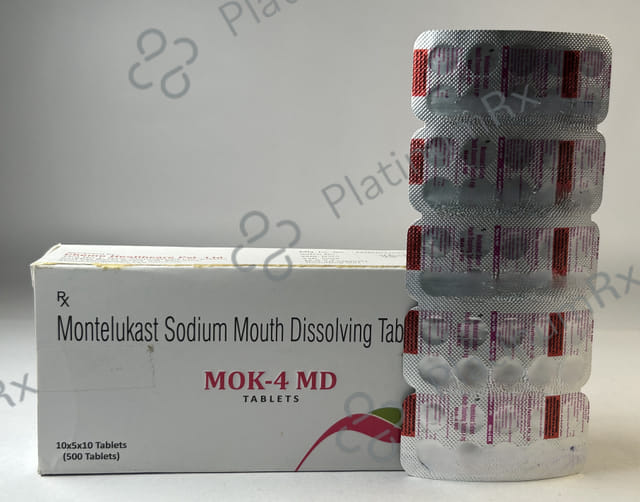
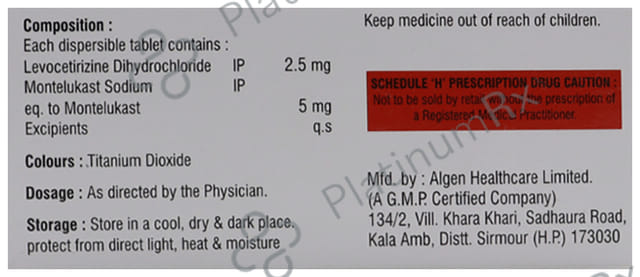

Types of Medicines Used for Urticaria
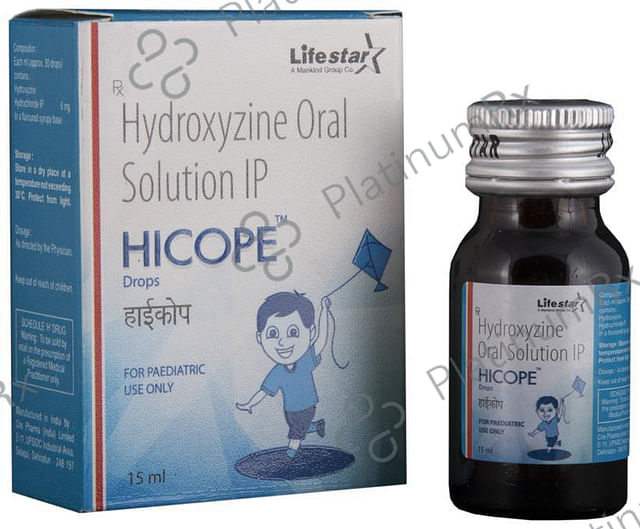
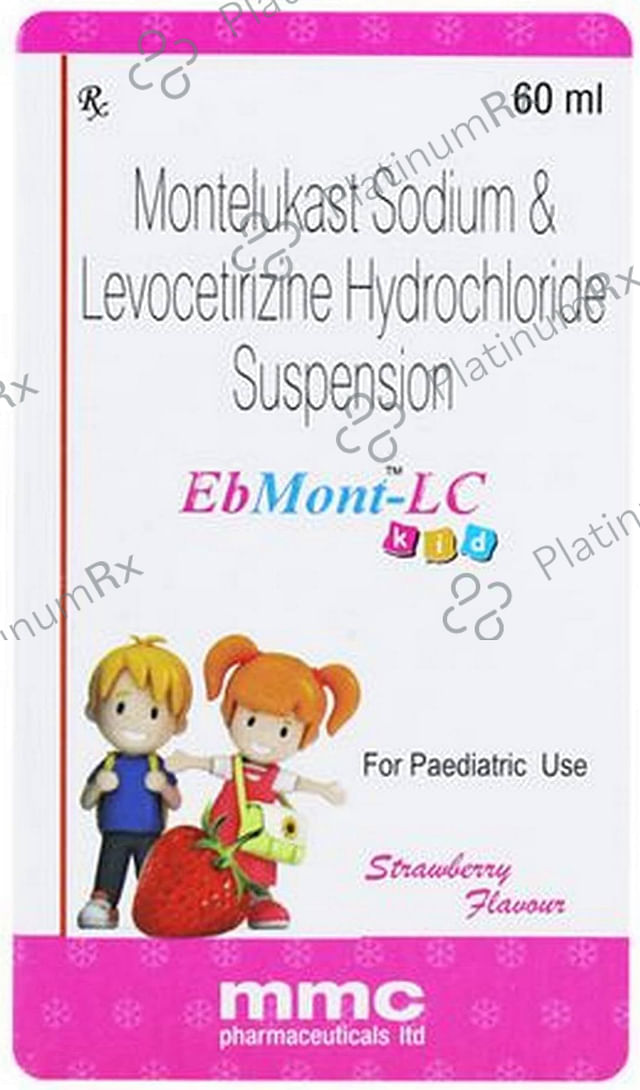
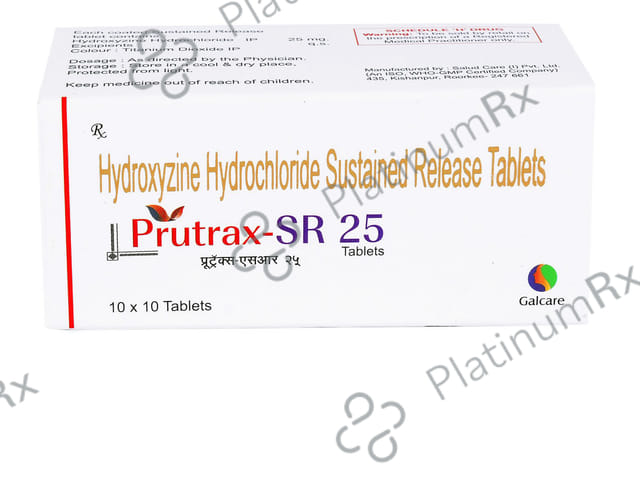
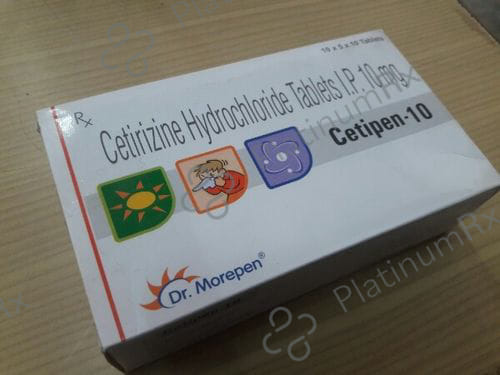
- Antihistamines The main treatment for urticaria, helping block the histamine response responsible for itching and welts.
- Corticosteroids Used for short periods during more severe flare-ups to quickly reduce inflammation.
- H2 blockers Sometimes added alongside antihistamines for additional symptom control in certain cases.
- Leukotriene modifiers Occasionally used alongside antihistamines for chronic urticaria that isn't fully controlled.
- Biologics Used for chronic urticaria that doesn't respond well to standard antihistamine treatment, under specialist care.
How Do Medicines for Urticaria Work?
Medicines for urticaria work in different ways depending on their active ingredients. Antihistamines block histamine, the chemical largely responsible for the itching and swelling seen in hives, while corticosteroids reduce broader inflammation during more severe flare-ups. For chronic urticaria that doesn't respond to standard antihistamines, doctors may consider additional treatment options.
How to Choose the Right Medicine for Urticaria?
The right medicine depends on several personal factors, including:
- How severe and widespread your hives are
- Whether your urticaria is short-term or chronic
- Your age
- Other health conditions you may have
- Other medicines you're currently taking
- A doctor's assessment and advice, especially for chronic or severe cases
Dosage & How to Take Medicines for Urticaria
Dosage varies between different urticaria medicines, so there's no single dose that fits everyone. Always follow the label instructions or your doctor's advice.
General points to keep in mind:
- Take antihistamines regularly as advised for chronic urticaria, not just when hives appear
- Non-drowsy antihistamines are often preferred for daytime use
- If a dose is missed, take the next one as scheduled rather than doubling up
- Avoid known triggers where identified, alongside your medicine
- Seek urgent medical care if hives are accompanied by swelling of the lips, tongue, or throat, or difficulty breathing
Side Effects & Precautions
Common Side Effects
Some antihistamines can cause drowsiness, while non-drowsy options are generally well tolerated. Corticosteroids used briefly can cause mild stomach upset or mood changes.
Precautions
- Inform your pharmacist about any known allergies before choosing a urticaria medicine
- Avoid driving or operating machinery if your medicine causes drowsiness
- Pregnant or breastfeeding women should check with a doctor before taking urticaria medicines
- Some urticaria medicines can interact with sedatives or alcohol
- Identify and avoid known triggers, such as certain foods or medicines, where possible
- Seek emergency care for hives with facial or throat swelling, as this can signal a severe allergic reaction
Buy Medicine for Urticaria Online from PlatinumRx
You can buy medicines for urticaria online from PlatinumRx. Browse medicines by their composition, compare available options and prices, and choose the medicine suited to your symptoms. PlatinumRx offers medicines from multiple brands and provides convenient online ordering and delivery.