Medicine for Typhoid Fever







Types of Medicines Used for Typhoid Fever
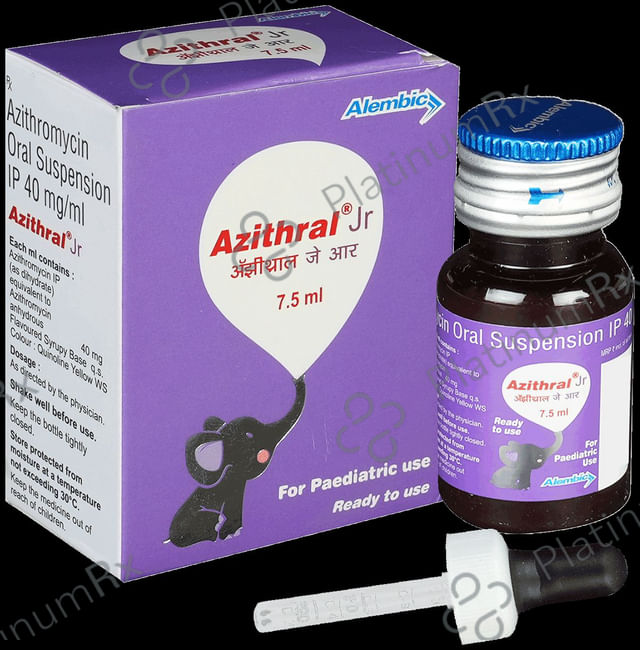
- Macrolides (Azithromycin) Often a preferred oral option for uncomplicated typhoid today, particularly where fluoroquinolone resistance is common. It's generally well tolerated and effective for milder cases.
- Third-Generation Cephalosporins Medicines like cefixime (oral) or ceftriaxone (injectable) are commonly used, especially for more severe cases, hospitalized patients, or infections resistant to other antibiotics.
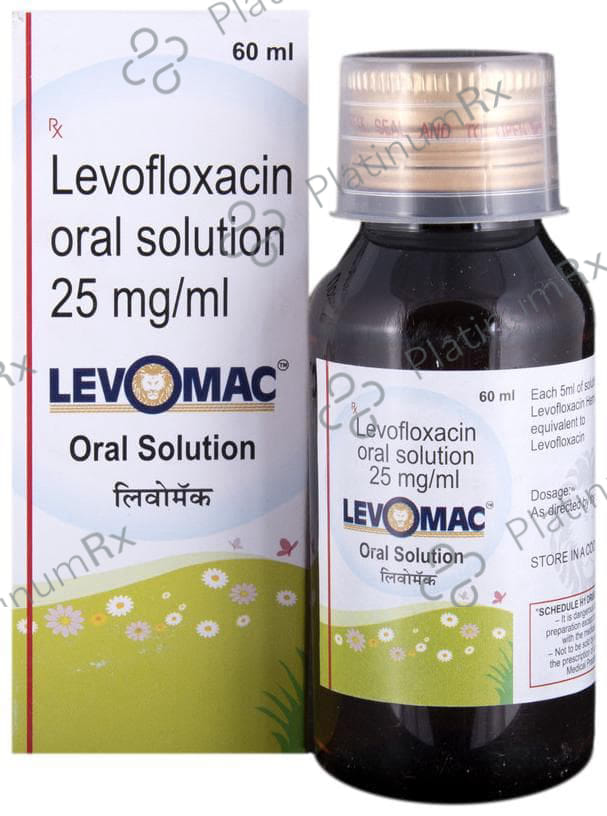
- Fluoroquinolones Once the standard first choice for typhoid, medicines like ciprofloxacin are now unreliable in many parts of India due to widespread resistance. They're only appropriate when testing confirms the specific infection is still sensitive to them.
How Do Medicines for Typhoid Fever Work?
Antibiotics used for typhoid work by killing or stopping the growth of Salmonella Typhi bacteria in the bloodstream and gut. Different antibiotic classes attack the bacteria in different ways, which is why a resistant infection may not respond to one class even if it responds well to another. This is exactly why testing and doctor guidance matter an antibiotic that doesn't match the bacteria's resistance pattern won't clear the infection effectively, even if it's a typhoid antibiotic in general.
How Is Typhoid Treatment Decided?
This isn't a condition for self-selected treatment. Choice of antibiotic depends on:
- Confirmed diagnosis, ideally via blood culture (the Widal test alone is unreliable and shouldn't be the sole basis for treatment)
- Local antibiotic resistance patterns, and culture sensitivity results where available
- How severe the illness is, and whether hospital care is needed
- Age, pregnancy status, and other health conditions
- Any known drug allergies
- Response to treatment in the first few days
Taking Typhoid Medicines Correctly
- Take the full prescribed course, even after the fever comes down stopping early is a common cause of relapse
- Take antibiotics at the prescribed times and intervals for the full duration
- Do not self-medicate with leftover or borrowed antibiotics from a previous illness
- Stay well hydrated, and maintain nutrition as much as possible during recovery
- If you miss a dose, take it as soon as you remember, unless it's close to the next one don't double up
- Contact your doctor if fever hasn't started improving within a few days of starting treatment, rather than waiting it out.
Side Effects and Precautions
Common Side Effects
Nausea, stomach upset, or diarrhoea are commonly reported with typhoid antibiotics. Most are mild and manageable, but should be mentioned to your doctor if they're severe or persistent.
Precautions
- Known allergies to any antibiotic
- Pregnancy or breastfeeding antibiotic choice may need to change
- Other medicines being taken
- Existing kidney or liver conditions, which may affect dosing
Buy Medicine for Typhoid Fever Online from PlatinumRx
Once your doctor has confirmed a diagnosis and prescribed treatment, you can order your typhoid medicines through PlatinumRx for convenient home delivery. All antibiotics for typhoid require a valid prescription, in line with responsible antibiotic use.