Medicine for Tuberculosis Tb
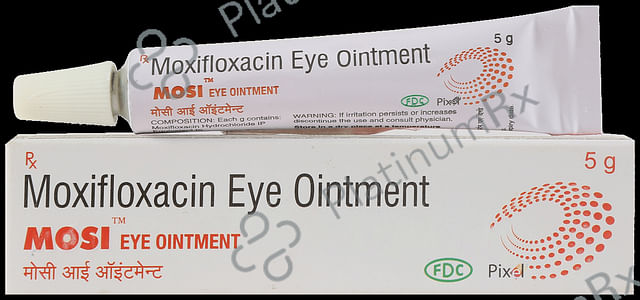

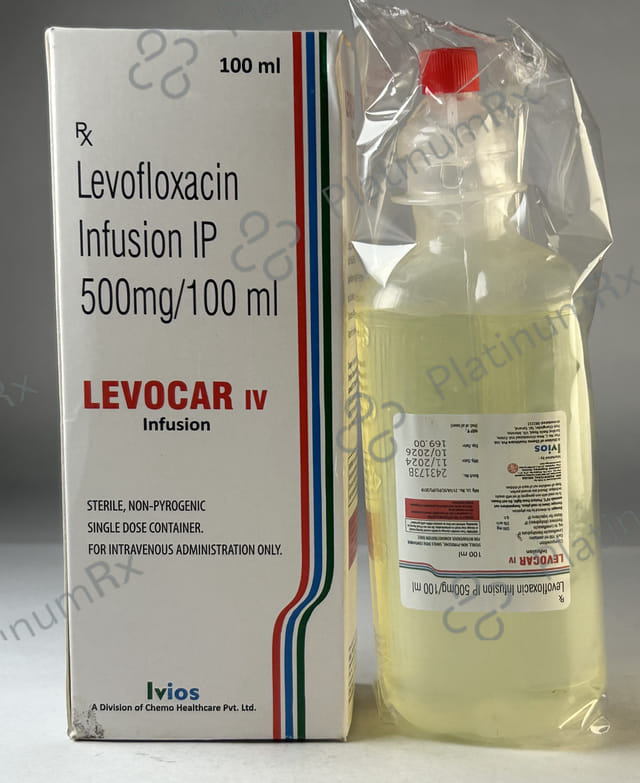
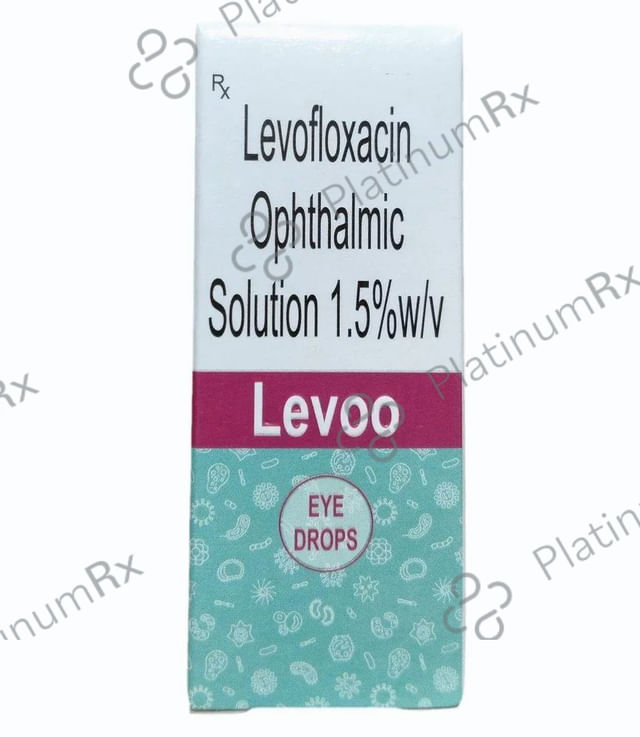
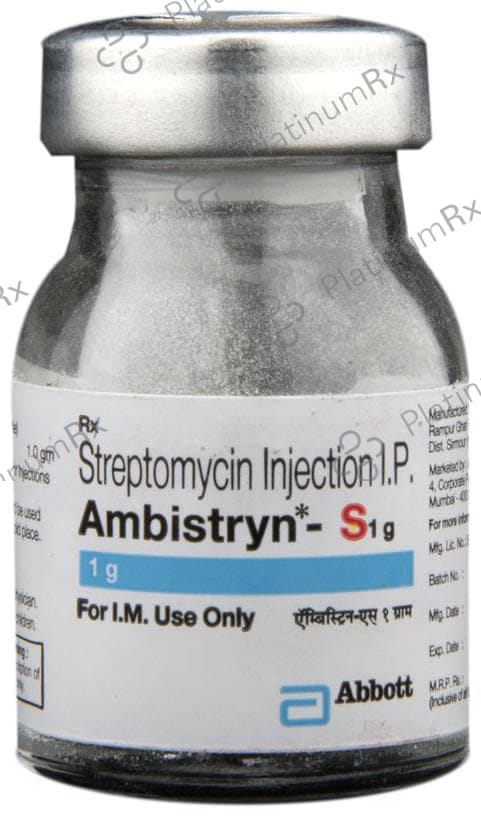
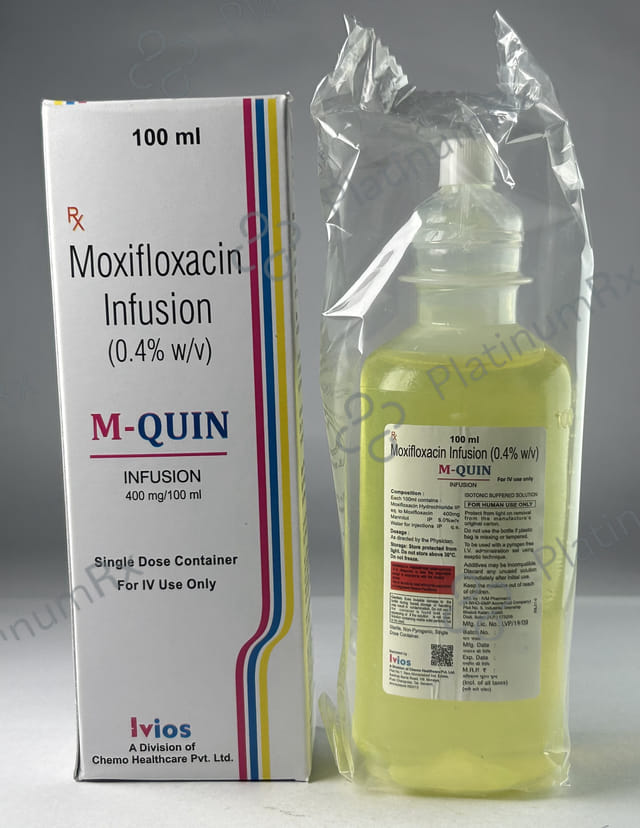
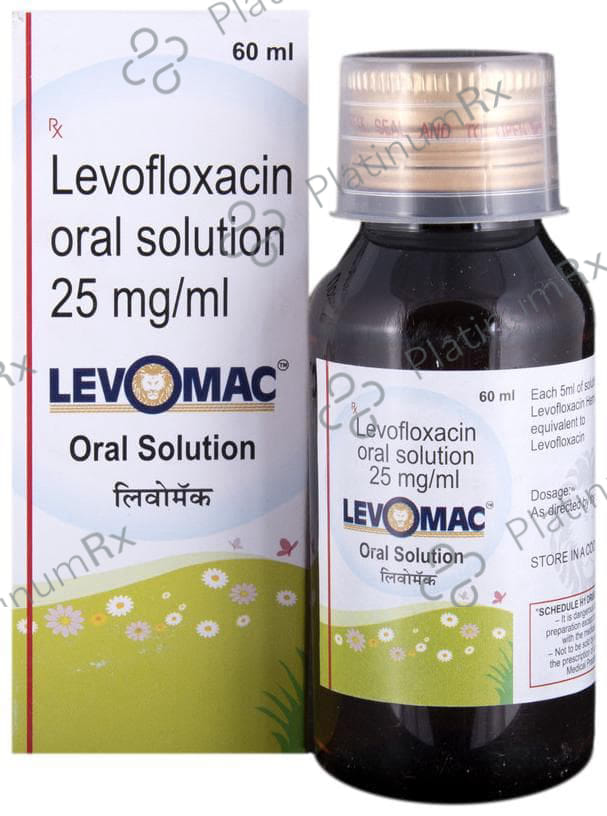
Types of Medicines Used for Tuberculosis
- First-Line Combination Therapy Isoniazid, rifampicin, pyrazinamide, and ethambutol are given together during the initial, intensive phase of treatment. Each drug attacks the TB bacteria differently, and using them together is essential to prevent the bacteria from developing resistance.
- Continuation Phase Medicines After the intensive phase, treatment usually continues with a smaller combination (typically isoniazid and rifampicin) for several more months, to fully clear the infection and prevent relapse.
- Second-Line Drugs (for Drug-Resistant TB) If TB doesn't respond to standard treatment, or is drug-resistant, specialist doctors use a different, longer, and more closely monitored combination of medicines. This is always managed under specialist care.
How Do Medicines for Tuberculosis Work?
TB medicines work together, each attacking the bacteria in a different way some kill actively multiplying bacteria quickly, while others target slower-growing or dormant bacteria that could otherwise cause a relapse. Using all the prescribed medicines together, for the full duration, is what allows the treatment to clear the infection completely and prevents the surviving bacteria from becoming resistant to future treatment.
How Is TB Treatment Decided?
This isn't a condition where medicine is self-selected the regimen is determined entirely by a doctor or TB treatment programme, based on:
- Confirmed diagnosis and, where relevant, drug-sensitivity testing
- Whether TB affects the lungs or another part of the body
- Age and body weight
- Other health conditions, including liver disease, HIV, diabetes, or pregnancy
- Other medicines being taken (some can interact with TB drugs)
- Whether the case is newly diagnosed or previously treated
Taking TB Medicines Correctly
- Take all prescribed medicines together, exactly as directed never take just one or some of them
- Complete the full course, even after you start feeling better TB symptoms often improve well before the bacteria are fully cleared
- Never stop or skip doses on your own this is the leading cause of treatment failure and drug resistance
- If you miss a dose, contact your treatment provider for guidance rather than deciding on your own
- Attend all scheduled follow-ups and monitoring tests
- Avoid alcohol during treatment, as it adds strain to the liver alongside these medicines
Side Effects and Precautions
Common Side Effects
Nausea, loss of appetite, and mild stomach upset are common in the first few weeks. Rifampicin harmlessly turns urine, tears, and sweat orange-red. this is expected and not a cause for concern. Joint pain can occur with pyrazinamide, and some people experience tingling in the hands or feet with isoniazid (often prevented with a vitamin B6 supplement, if prescribed).
Serious Warning Signs Contact Your Doctor Promptly
- Yellowing of the skin or eyes, dark urine, or persistent nausea/vomiting (possible liver-related side effect all main TB drugs can affect the liver, and this needs prompt medical review)
- Any new blurring of vision or change in colour vision (a rare but important side effect of ethambutol needing urgent assessment)
- Skin rash, itching, or swelling
- Any symptoms that feel severe or unusual
Other Precautions
- Rifampicin can reduce the effectiveness of certain other medicines, including hormonal contraceptive pills discuss alternative contraception with your doctor if relevant
- Existing liver disease, HIV, or pregnancy may require an adjusted regimen always disclose these to your treatment provider
- Regular blood tests (liver function) are usually part of monitoring during treatment
Getting Medicine for Tuberculosis from PlatinumRx
Free TB diagnosis and treatment is available through India's National TB Elimination Programme (NTEP) at government health facilities, including supervised treatment support. If you and your doctor choose private treatment, PlatinumRx can help you order your prescribed TB medicines for convenient home delivery always against a valid prescription, and always as the complete combination your doctor has prescribed.