Medicine for Rosacea
Types of Medicines Used for Rosacea
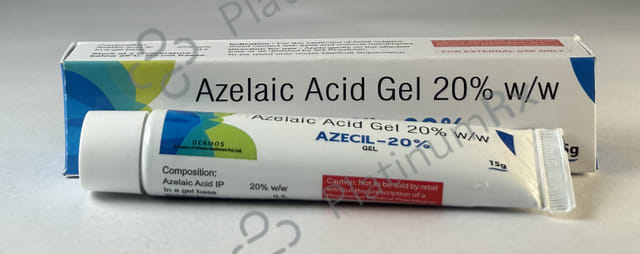
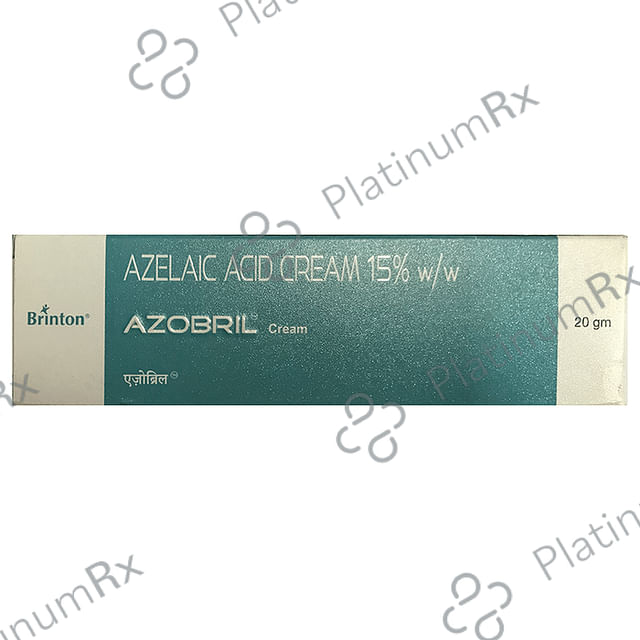
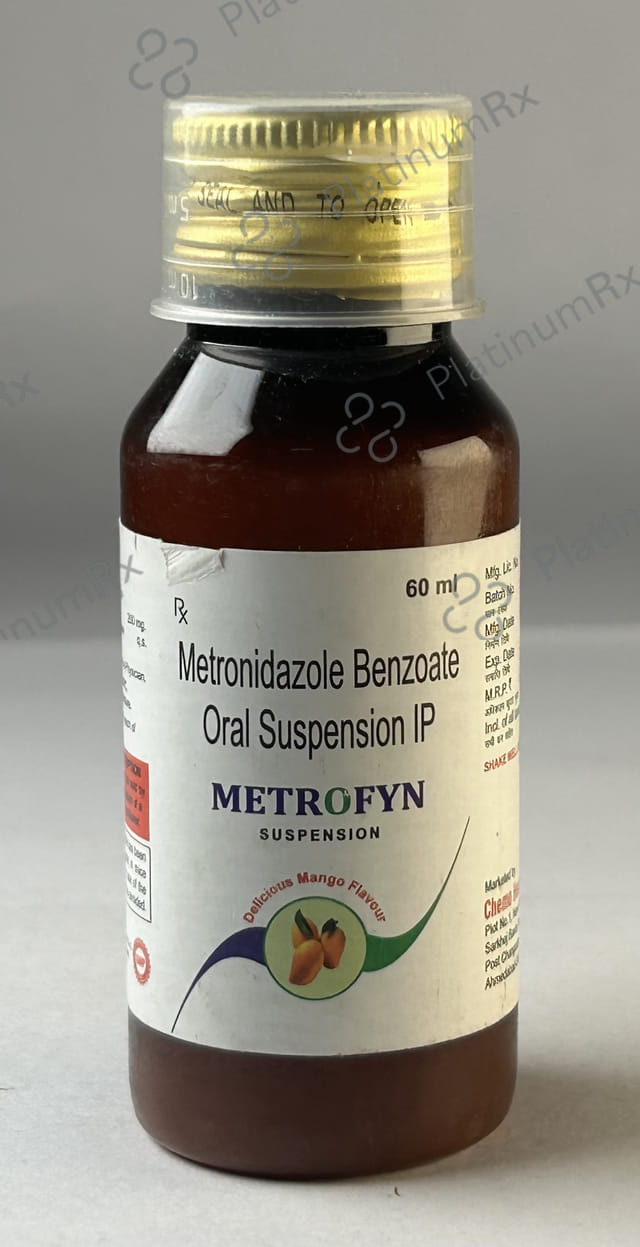
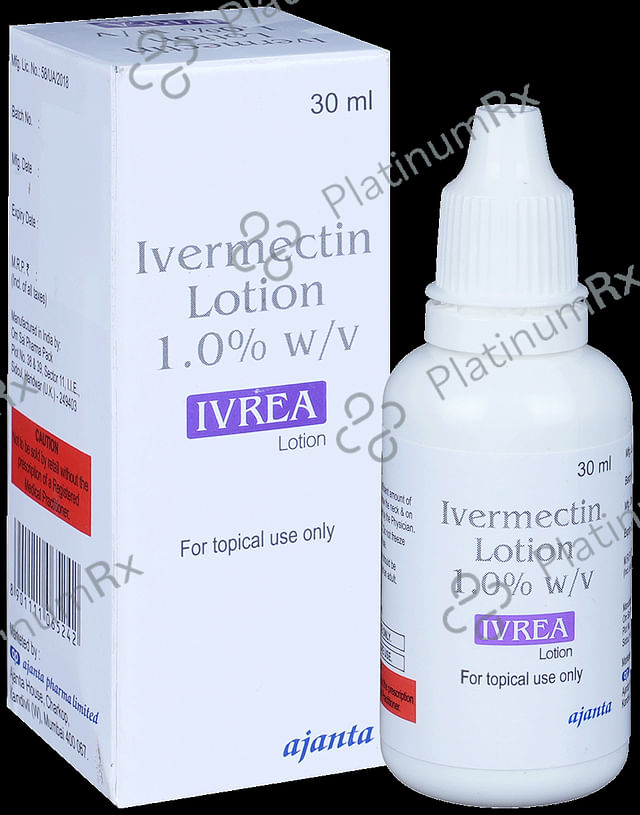
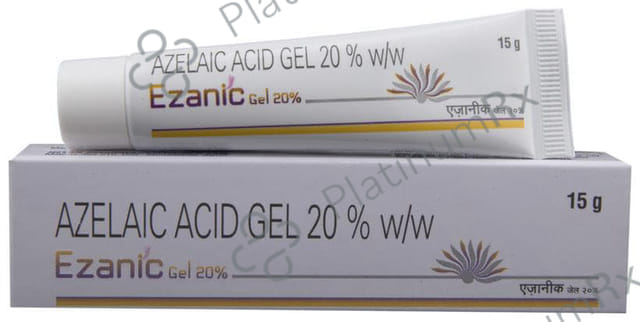
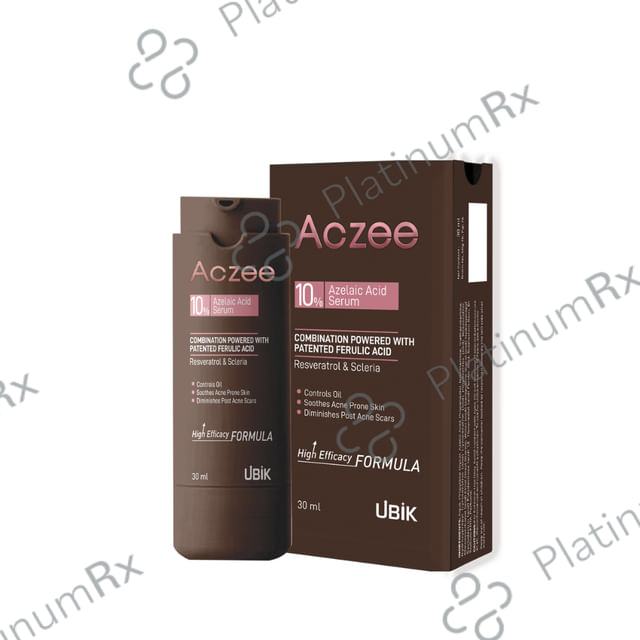
- Topical metronidazole or azelaic acid Commonly used to reduce inflammation, redness, and bumps associated with rosacea.
- Topical brimonidine or oxymetazoline Help temporarily reduce visible redness by constricting blood vessels in the skin.
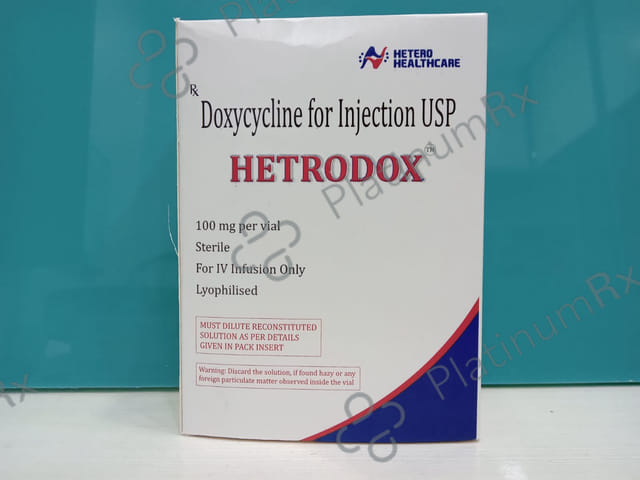
- Oral antibiotics (e.g., doxycycline) Used at lower, anti-inflammatory doses for more persistent or severe rosacea symptoms.
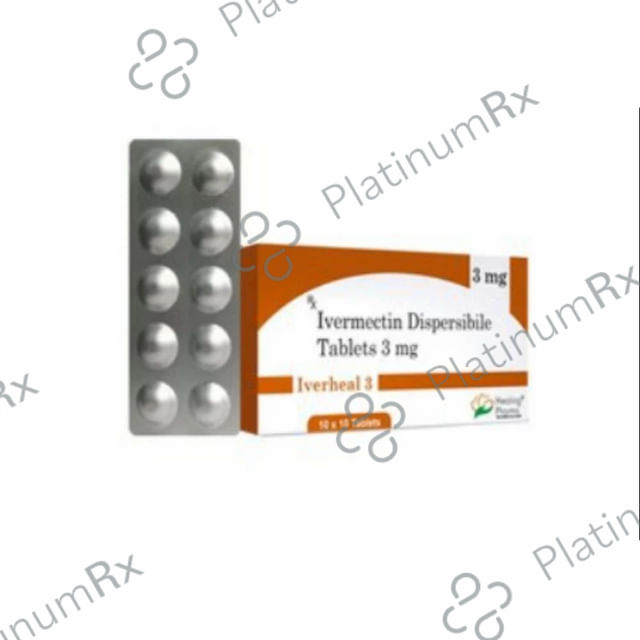
- Isotretinoin Used in select, more severe cases that don't respond to other treatments, under close medical supervision.
How Do Medicines for Rosacea Work?
Medicines for rosacea work in different ways depending on their type. Topical treatments like metronidazole and azelaic acid reduce inflammation and bacteria on the skin's surface, redness-reducing treatments temporarily narrow blood vessels to reduce visible redness, and oral antibiotics work at low doses to reduce inflammation throughout affected skin, particularly for bumps and pustules. Consistent, long-term use is often needed to keep rosacea symptoms well controlled.
How to Choose the Right Medicine for Rosacea?
The right medicine depends on several personal factors, including:
• Which rosacea symptoms bother you most, like redness or bumps
• How severe and persistent your symptoms are
• Your skin sensitivity and known triggers
• Any eye-related symptoms you may have
• A dermatologist's advice for your specific rosacea type
Dosage & How to Take Medicines for Rosacea
Dosage and application vary between different rosacea medicines, so there's no single approach that fits everyone. Always follow the label instructions or your dermatologist's advice.
General points to keep in mind:
• Apply topical treatments to clean, dry skin as directed, often once or twice daily
• Take oral antibiotics consistently, often at lower doses for anti-inflammatory effect
• If a dose is missed, take the next one as scheduled rather than doubling up
• Redness-reducing topical treatments are often used once daily for temporary effect
• Continue treatment consistently, as rosacea often requires long-term management
Side Effects & Precautions
Common Side Effects
Topical treatments can cause mild burning or dryness. Oral antibiotics may cause mild stomach upset or sun sensitivity.
Precautions
• Inform your dermatologist about any known allergies before starting a new medicine
• Use sunscreen daily, as sun exposure is a common rosacea trigger and some medicines increase sun sensitivity
• Pregnant or breastfeeding women should avoid certain rosacea medicines, like isotretinoin, and discuss safe options with their doctor
• Identify and avoid personal triggers, such as spicy foods, alcohol, or extreme temperatures
• Isotretinoin requires close medical monitoring due to its specific precautions
• Persistent or worsening symptoms should be evaluated by a dermatologist
Buy Medicine for Rosacea Online from PlatinumRx
You can buy medicines for rosacea online from PlatinumRx. Browse medicines by their composition, compare available options and prices, and choose the medicine prescribed by your healthcare professional. PlatinumRx offers medicines from multiple brands and provides convenient online ordering and delivery.