Medicine for Respiratory Tract Infection






Types of Medicines Used for Respiratory Tract Infection
- Decongestants Help relieve nasal congestion and sinus pressure associated with respiratory infections.
- Cough medicines Include expectorants to loosen mucus and suppressants for dry, irritating coughs.
- Pain relievers Help manage fever, headache, and body aches that often accompany respiratory infections.
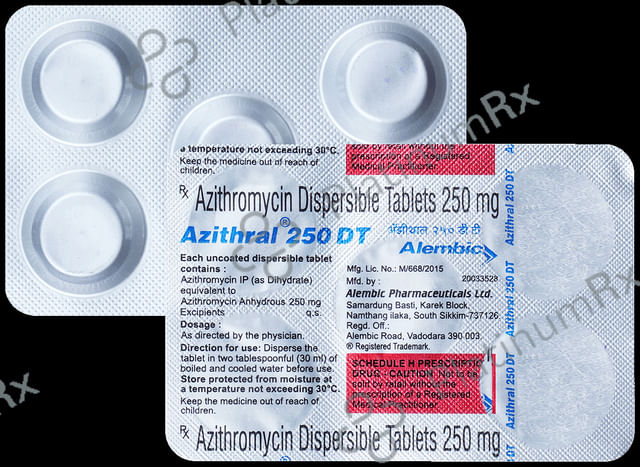
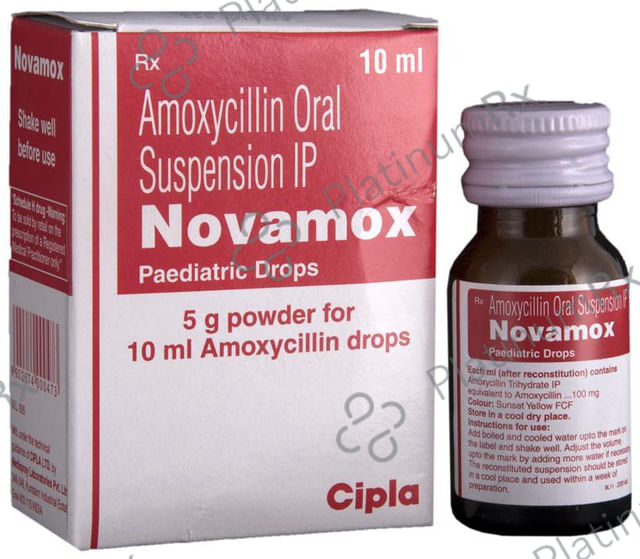
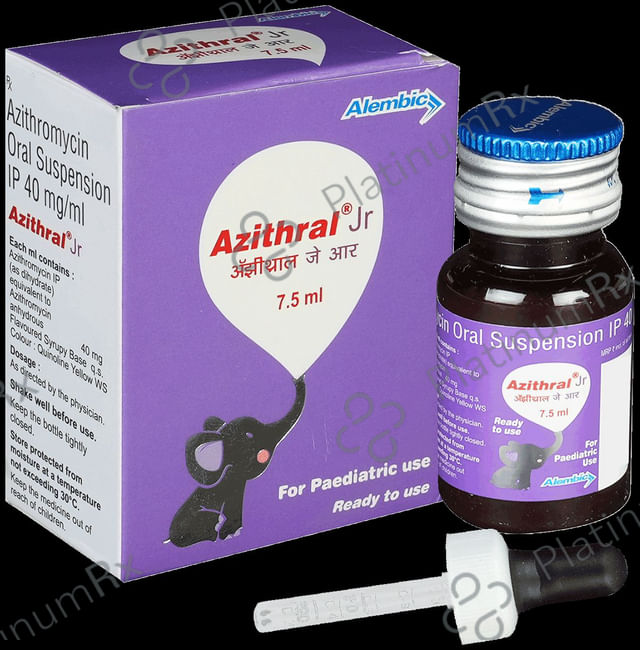
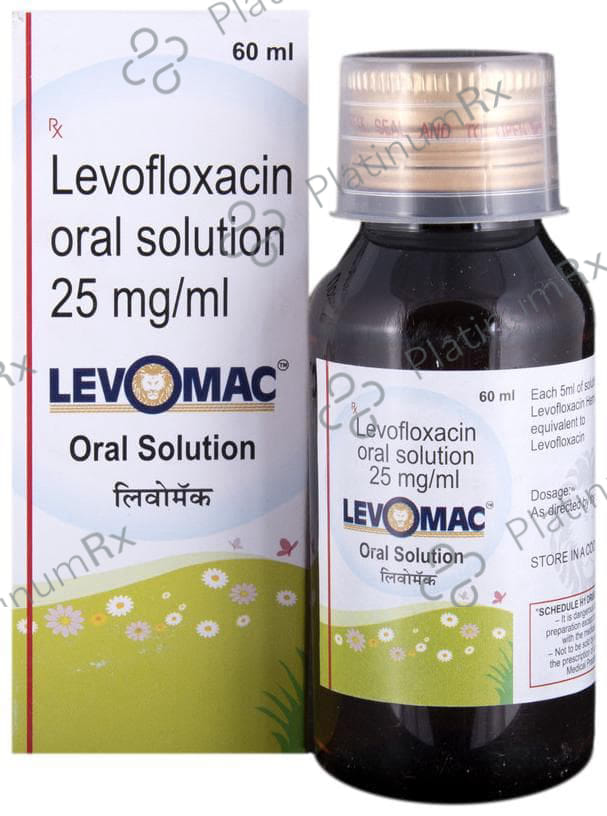
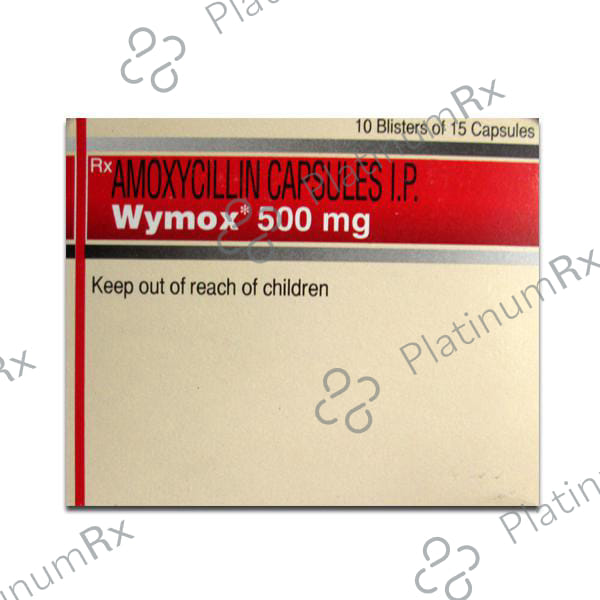
- Antibiotics Used only for confirmed bacterial respiratory infections, as most upper respiratory infections are viral.
How Do Medicines for Respiratory Tract Infection Work?
Medicines for respiratory tract infections work in different ways depending on their purpose. Decongestants narrow blood vessels in the nasal passages to reduce swelling and congestion, cough medicines either loosen mucus or calm the cough reflex, and antibiotics work by directly targeting bacteria responsible for confirmed bacterial infections. Most respiratory infections are viral, so treatment usually focuses on symptom relief while the body clears the infection naturally.
How to Choose the Right Medicine for Respiratory Tract Infection?
The right medicine depends on several personal factors, including:
• Whether your symptoms affect the upper or lower respiratory tract
• Whether the infection is likely viral or bacterial
• The severity and duration of your symptoms
• Other health conditions, like asthma or COPD
• A doctor's advice, especially for persistent or severe symptoms
Dosage & How to Take Medicines for Respiratory Tract Infection
Dosage varies between different respiratory infection medicines, so there's no single dose that fits everyone. Always follow the label instructions or your doctor's advice.
General points to keep in mind:
• Take decongestants and cough medicines as directed, being mindful of duration of use
• Take pain relievers for fever and discomfort as needed, following dosing guidelines
• If a dose is missed, take the next one as scheduled rather than doubling up
• Complete the full course of antibiotics if prescribed for a bacterial infection
• Rest and stay well hydrated to support recovery alongside medicine
Side Effects & Precautions
Common Side Effects
Decongestants can cause mild increases in heart rate or trouble sleeping. Cough medicines may cause drowsiness, depending on the type.
Precautions
• Inform your pharmacist about any known allergies before choosing a respiratory infection medicine
• People with heart conditions or high blood pressure should check with a doctor before taking decongestants
• Pregnant or breastfeeding women should check with a doctor before taking respiratory infection medicines
• Seek medical advice if symptoms are severe, persistent, or associated with difficulty breathing
• Avoid smoking and exposure to irritants during recovery
• Complete the full antibiotic course if prescribed, even if symptoms improve early
Buy Medicine for Respiratory Tract Infection Online from PlatinumRx
You can buy medicines for respiratory tract infections online from PlatinumRx. Browse medicines by their composition, compare available options and prices, and choose the medicine suited to your symptoms. PlatinumRx offers medicines from multiple brands and provides convenient online ordering and delivery.