Medicine for Muscle Relaxation
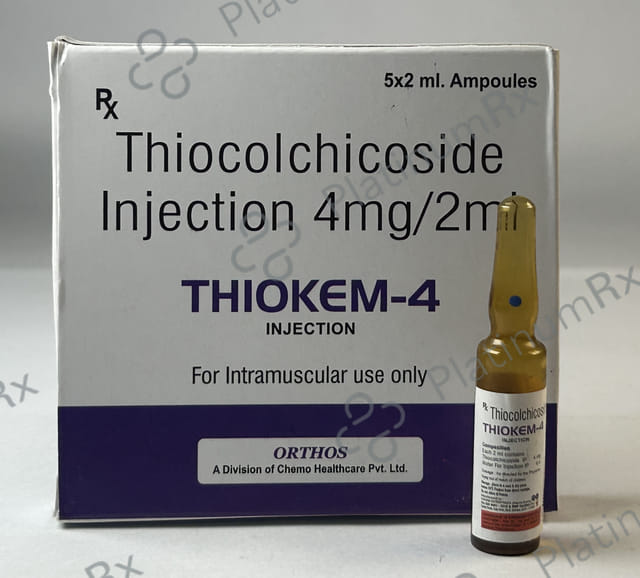
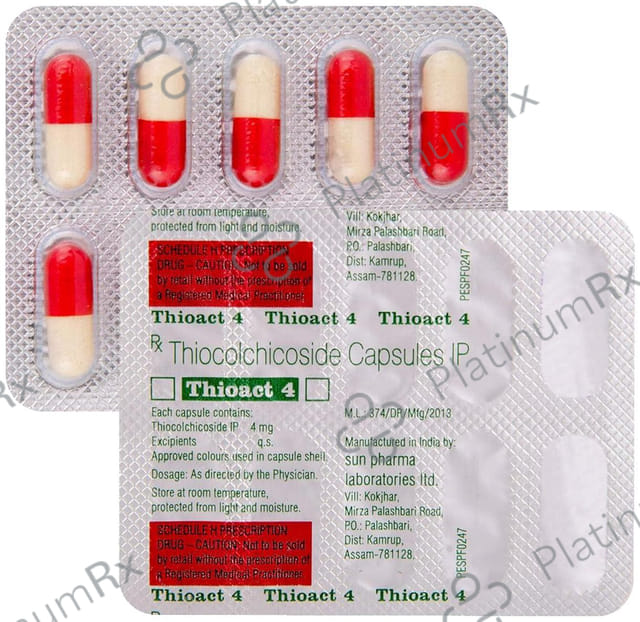
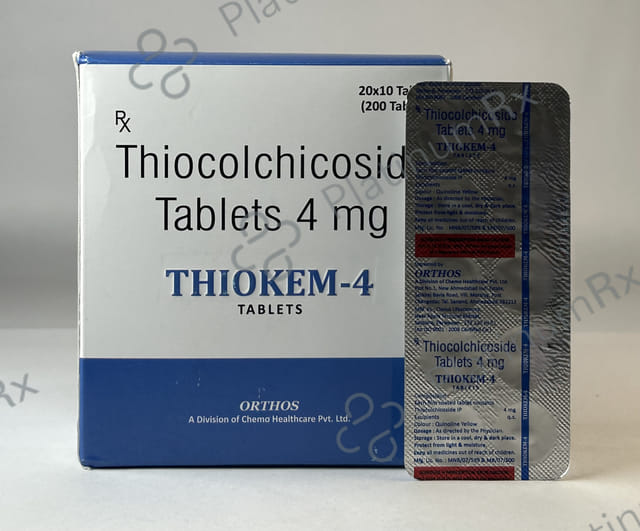
Types of Medicines Used for Muscle Relaxation
- Skeletal muscle relaxants Help reduce muscle spasm and tightness, commonly used for short-term relief after an injury or strain.
- NSAIDs Help relieve pain and inflammation that often accompanies muscle tightness or spasm.
- Topical analgesics Creams or gels applied directly to the affected muscle for localized relief.
- Antispasticity medicines Used for muscle tightness linked to certain neurological conditions, under a doctor's guidance.
How Do Medicines for Muscle Relaxation Work?
Medicines for muscle relaxation work in different ways depending on their type. Skeletal muscle relaxants act on the nervous system to reduce the signals that cause muscles to stay contracted, while NSAIDs and topical treatments help ease the pain and inflammation that often accompany muscle tightness, supporting more comfortable movement. Combining medicine with rest, stretching, and physical therapy typically supports the best recovery.
How to Choose the Right Medicine for Muscle Relaxation?
The right medicine depends on several personal factors, including:
• The cause of your muscle tightness or spasm
• How severe and persistent your symptoms are
• Any underlying neurological or muscular conditions
• Other medicines you're currently taking
• A doctor's advice, especially for recurring or severe muscle spasms
Dosage & How to Take Medicines for Muscle Relaxation
Dosage varies between different muscle relaxation medicines, so there's no single dose that fits everyone. Always follow what your doctor has prescribed.
General points to keep in mind:
• Take muscle relaxants as prescribed, often for a limited, short-term period
• Apply topical treatments directly to the affected area as needed
• If a dose is missed, take the next one as scheduled rather than doubling up
• Combine medicine with gentle stretching and rest for better results
• Avoid alcohol while taking muscle relaxants, as it can increase drowsiness
Side Effects & Precautions
Common Side Effects
Skeletal muscle relaxants can cause drowsiness or dizziness. NSAIDs may cause mild stomach upset.
Precautions
• Inform your doctor about any known allergies before starting a new medicine
• Avoid driving or operating machinery if your medicine causes drowsiness
• Pregnant or breastfeeding women should check with a doctor before taking muscle relaxants
• Avoid alcohol while using muscle relaxant medicines
• Long-term or recurring muscle tightness should be evaluated by a doctor to identify any underlying cause
• Combine medicine with proper posture and ergonomic adjustments to help prevent recurrence
Buy Medicine for Muscle Relaxation Online from PlatinumRx
You can buy medicines for muscle relaxation online from PlatinumRx. Browse medicines by their composition, compare available options and prices, and choose the medicine suited to your needs. PlatinumRx offers medicines from multiple brands and provides convenient online ordering and delivery.