Medicine for Muscle Pain
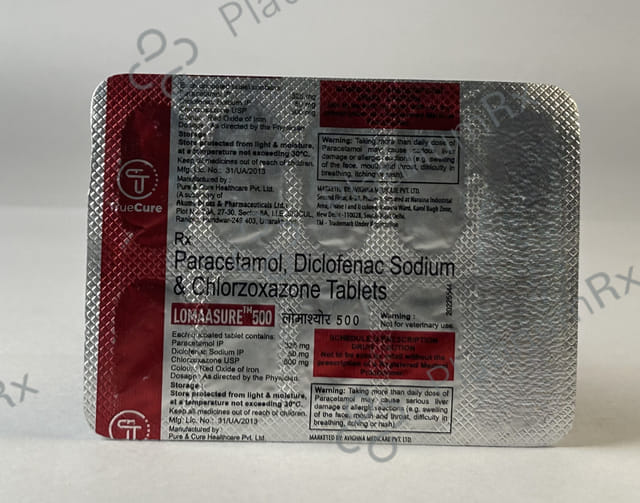
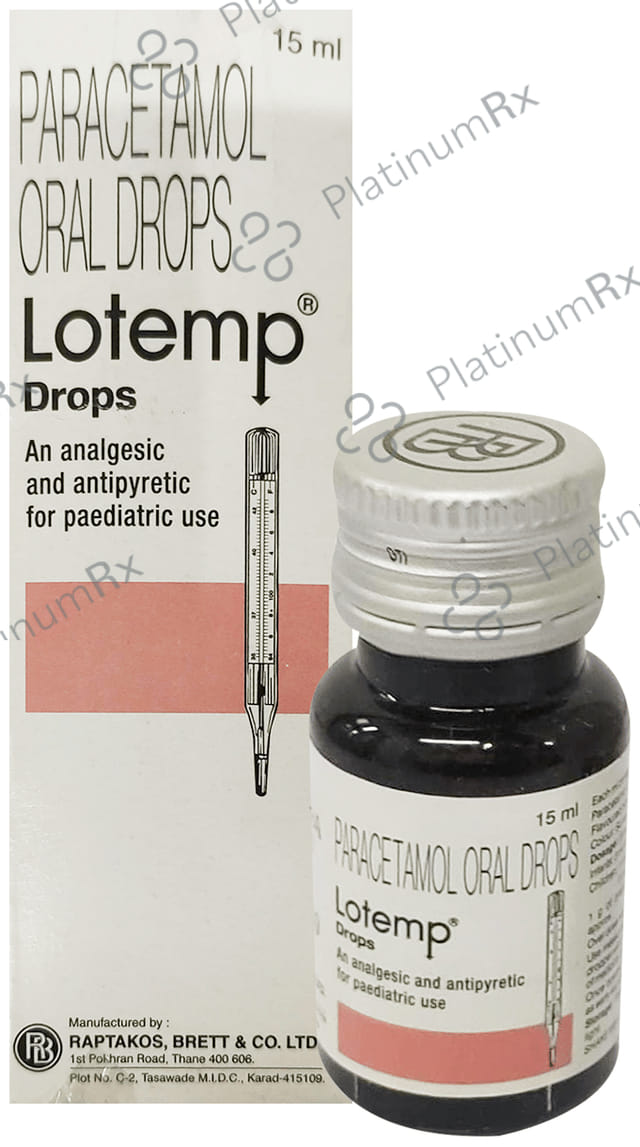
Types of Medicines Used for Muscle Pain
- Topical Analgesics and Anti-Inflammatories Gels, creams, or sprays containing ingredients like diclofenac are applied directly to the painful area. Because very little of the medicine is absorbed into the rest of the body, these tend to have fewer side effects than the same ingredient taken as a tablet making them a good first choice for localized pain.
- Oral Analgesics and NSAIDs Tablets like paracetamol or anti-inflammatory painkillers work throughout the body, making them useful for more widespread muscle pain, or pain alongside fever (such as with a viral illness).
- Muscle Relaxants Used when muscle spasm or tightness is a significant part of the pain, these help the muscle relax, though they commonly cause drowsiness.
How Do Medicines for Muscle Pain Work?
Medicines used for muscle pain work in different ways depending on their form and ingredients. Topical analgesics act locally, reducing inflammation and pain right at the site of application without needing to travel through the bloodstream. Oral analgesics and NSAIDs work throughout the body, blocking pain signals and reducing inflammation more broadly, which is useful when several muscles are affected at once. Muscle relaxants work differently again, calming the nerve signals that keep a muscle tightened or in spasm, helping it release.
How to Choose the Right Medicine for Muscle Pain
Choosing the right medicine depends on the situation, not just the product name. Key factors include:
- Whether the pain is localized to one area or more widespread
- The likely cause (strain, viral illness, spasm, or a medicine side effect)
- Severity and how long it's lasted
- Other medicines being taken especially cholesterol-lowering statins, which can occasionally cause muscle pain themselves
- Existing conditions, including liver or kidney disease
- Doctor's or pharmacist's advice
Dosage and How to Take Medicines for Muscle Pain
- Apply topical medicines to clean, dry, unbroken skin, and wash your hands afterward unless the hands are the area being treated
- Follow the recommended frequency using a topical medicine doesn't mean you can safely add a full dose of the same oral medicine on top without checking, since some absorption still occurs
- Rest, ice, gentle compression, and elevation can help alongside medicine for a simple strain
- If you miss a dose, take it as soon as you remember, unless it's close to your next dose don't double up
- Muscle relaxants can cause drowsiness avoid driving or operating machinery until you know how they affect you, and avoid alcohol while taking them
- Do not increase, decrease, or stop the medicine on your own without medical advice
Side Effects and Precautions
Common Side Effects
Topical medicines may cause mild skin irritation or redness at the application site. Oral NSAIDs can cause stomach upset with regular use. Muscle relaxants commonly cause drowsiness or dizziness.
Precautions
- Known allergies to any medicine ingredient
- Existing stomach, kidney, or liver conditions relevant to oral NSAID use
- Pregnancy or breastfeeding check with a doctor first
- Other medicines being taken, including statins
- Avoid applying topical medicines to broken or irritated skin
Buy Medicine for Muscle Pain Online from PlatinumRx
You can buy medicines for muscle pain online from PlatinumRx. Browse medicines by their composition, compare available options and prices, and choose the medicine prescribed or recommended by your healthcare professional. PlatinumRx offers medicines from multiple brands and provides convenient online ordering and delivery.