Medicine for Motion Sickness
Types of Medicines Used for Motion Sickness
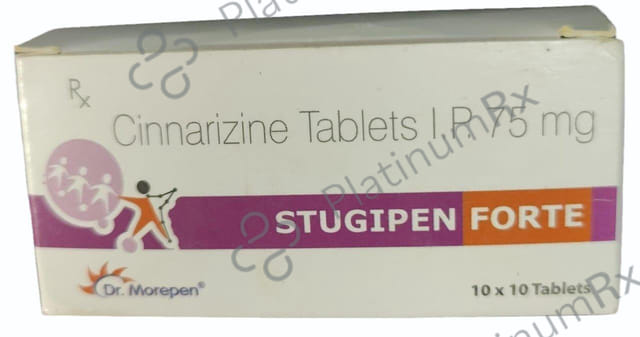
- Antihistamines Medicines like dimenhydrinate, meclizine, or cinnarizine are the most commonly used over-the-counter option. They work well but tend to cause drowsiness, so they suit journeys where you're not the one driving.
- Anticholinergic Patches (Scopolamine) A prescription patch applied behind the ear, offering effective, longer-lasting protection- useful for multi-day trips like cruises. It's generally less sedating than antihistamine tablets but still needs some caution.
- Natural / Ginger-Based Remedies Ginger-based capsules, candies, or lozenges are a gentler option that some people find helpful for mild motion sickness, with a lower risk of drowsiness.
How Do Medicines for Motion Sickness Work?
Medicines used for motion sickness work in different ways depending on their active ingredients. Antihistamines and anticholinergic patches both calm the part of the brain that reacts to the mismatched signals from your eyes and inner ear, reducing the nausea response before it builds up. Ginger is believed to work more directly on the stomach and nausea pathways, offering a milder effect. This is also why these medicines work best taken ahead of time- they're designed to prevent the nausea signal from ramping up, rather than reverse it once symptoms have already started.
How to Choose the Right Medicine for Motion Sickness
Choosing the right medicine depends on your travel plans and personal circumstances, not just the product name. Key factors include:
- Length of the journey (a short car ride vs. a multi-day cruise)
- Whether you'll be driving or need to stay alert
- Age (children often need different formulations and doses)
- Existing conditions (like glaucoma or prostate issues, which affect patch suitability)
- Pregnancy status
- Other medicines being taken
- Doctor's or pharmacist's advice
Dosage and How to Take Medicines for Motion Sickness
- Dosage depends on the specific medicine- follow the label or your doctor's advice
- Timing matters most: take oral tablets about 30–60 minutes before travel begins, and apply patches at least 4 hours before (ideally the night before for best effect)
- These medicines are far less effective once nausea has already started- take them ahead of time whenever possible
- Patches typically last up to 3 days- never cut a patch to adjust the dose, as this disrupts how the medicine is released
- Wash your hands thoroughly after applying or removing a patch, to avoid accidentally rubbing your eyes
- Do not increase, decrease, or stop the medicine on your own without medical advice
Side Effects and Precautions
Common Side Effects
Drowsiness is the most common side effect of antihistamines and, to a lesser extent, scopolamine patches. Dry mouth and blurred vision are also commonly reported, especially with patches.
Precautions
- Do not drive or operate machinery after taking sedating antihistamines or using a scopolamine patch
- Avoid alcohol or other sedatives while using these medicines, as drowsiness can be increased
- Scopolamine patches should be avoided in people with glaucoma or prostate-related urinary retention issues
- Pregnancy or breastfeeding- check with a doctor first
- Extra caution and often different formulations for children
- Elderly individuals may be more sensitive to side effects like confusion or blurred vision
Buy Medicine for Motion Sickness Online from PlatinumRx
You can buy medicines for motion sickness online from PlatinumRx. Browse medicines by their composition, compare available options and prices, and choose the medicine prescribed or recommended by your healthcare professional. PlatinumRx offers medicines from multiple brands and provides convenient online ordering and delivery- handy to stock up on before your next trip.