Medicine for Menstrual Pain
Types of Medicines Used for Menstrual Pain
- NSAIDs (Non-steroidal anti-inflammatory drugs) Commonly used first-line options that reduce the substances in the body responsible for uterine cramping and pain.
- Antispasmodics Help relax the muscles of the uterus, which can ease cramping pain.
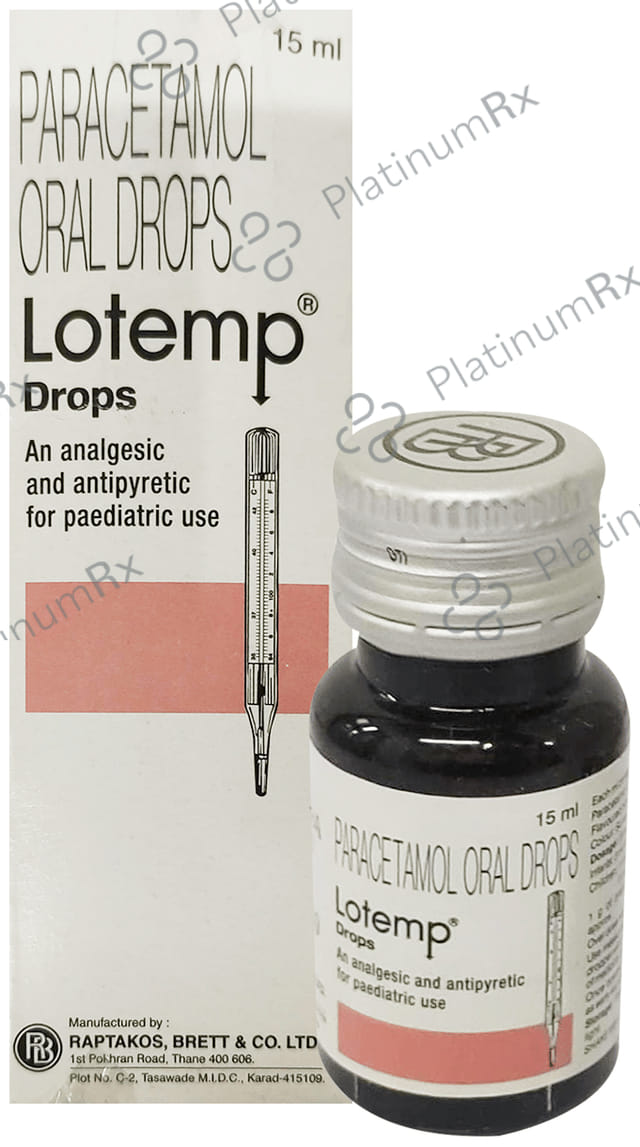
- Paracetamol Used for milder pain relief, especially for those who can't take NSAIDs.
- Hormonal contraceptives Sometimes used for recurring, severe menstrual pain, as they can reduce the intensity of uterine contractions over time.
- Topical heat-based pain relief Often combined with medicine to provide additional comfort during cramping.
How Do Medicines for Menstrual Pain Work?
Medicines for menstrual pain work in different ways depending on their active ingredients. NSAIDs reduce the production of substances that cause the uterus to contract strongly, antispasmodics relax uterine muscle directly, and hormonal treatments can reduce the overall intensity of the menstrual cycle's effect on the uterus. Starting NSAIDs right when pain begins, or just before, often provides better relief than waiting until pain is severe.
How to Choose the Right Medicine for Menstrual Pain?
The right medicine depends on several personal factors, including:
- How severe your menstrual pain is
- Whether you have any underlying conditions like endometriosis
- Your age
- Other health conditions you may have
- Other medicines you're currently taking
- A doctor's advice, especially for recurring severe pain
Dosage & How to Take Medicines for Menstrual Pain
Dosage varies between different menstrual pain medicines, so there's no single dose that fits everyone. Always follow the label instructions or your doctor's/pharmacist's advice. General points to keep in mind:
- Take NSAIDs with food to reduce the chance of stomach upset
- Starting pain relief at the first sign of cramping can work better than waiting
- If a dose is missed, take the next one as scheduled rather than doubling up
- Avoid exceeding the recommended daily dose of any pain reliever
- See a doctor if pain is severe, worsening over time, or not relieved by usual medicines
Side Effects & Precautions
Common Side Effects
NSAIDs can cause stomach upset or, less commonly, heartburn. Antispasmodics may cause mild drowsiness or dry mouth in some people.
Precautions
- Inform your pharmacist about any known allergies before choosing a menstrual pain medicine
- People with stomach ulcers or kidney issues should check with a doctor before using NSAIDs regularly
- Pregnant or breastfeeding women should check with a doctor before taking menstrual pain medicines
- Avoid combining multiple pain relievers with overlapping ingredients
- Persistent or worsening menstrual pain should be evaluated by a doctor to rule out underlying conditions
- Take medicines with food if you have a sensitive stomach
Buy Medicine for Menstrual Pain Online from PlatinumRx
You can buy medicines for menstrual pain online from PlatinumRx. Browse medicines by their composition, compare available options and prices, and choose the medicine suited to your symptoms. PlatinumRx offers medicines from multiple brands and provides convenient online ordering and delivery.