Medicine for Kidney Stone
Types of Medicines Used for Kidney Stone
- NSAIDs / Pain Relievers Anti-inflammatory painkillers like diclofenac are often the first choice for renal colic, as they're effective at controlling this type of severe pain. Alternative pain relief may be used if NSAIDs aren't suitable for you.
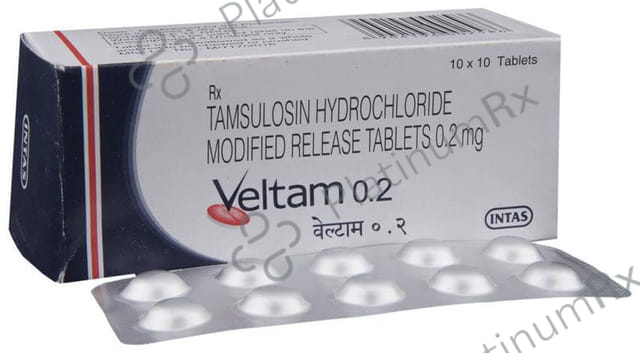
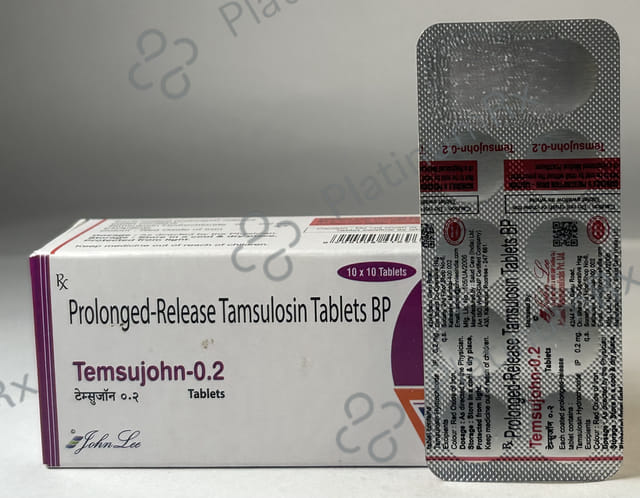
- Alpha-Blockers Medicines like tamsulosin relax the muscle in the lower ureter, which may help certain stones particularly larger ones pass more easily and with less pain. Evidence on how much this helps has been mixed across studies, so your doctor will advise if it's likely to help your specific stone.
- Antiemetics Used to control the nausea and vomiting that frequently accompany renal colic, helping you stay hydrated and keep other medicines down.
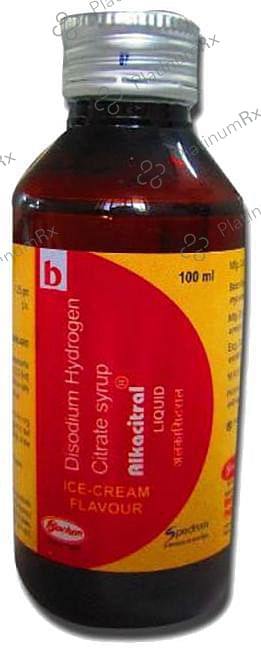
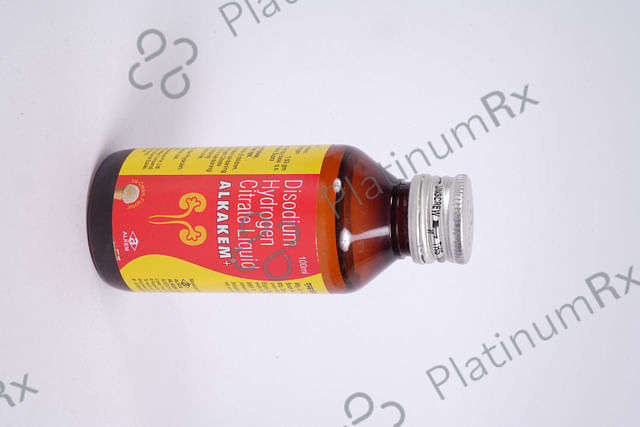
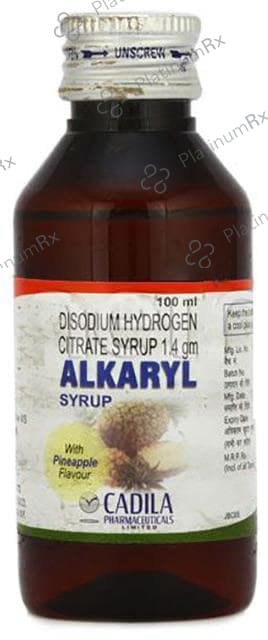
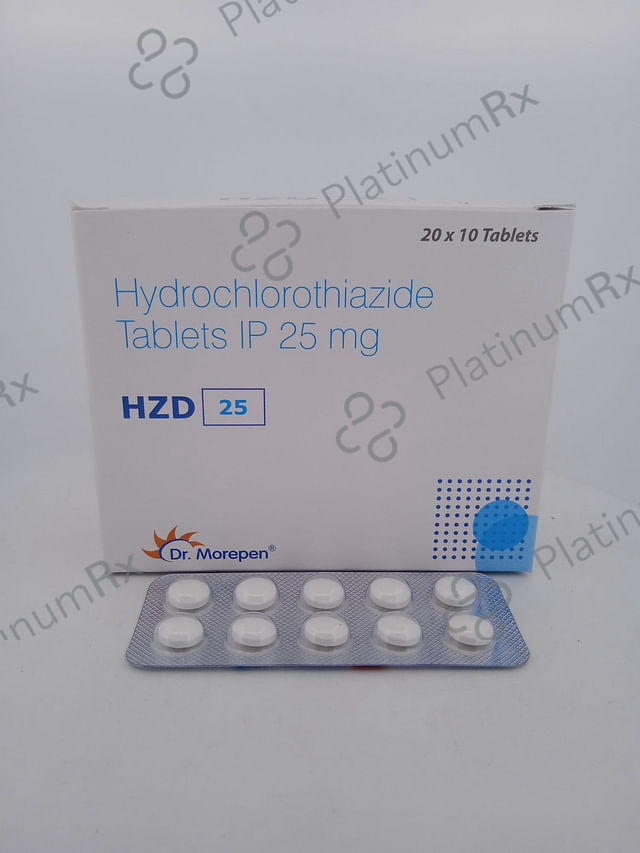
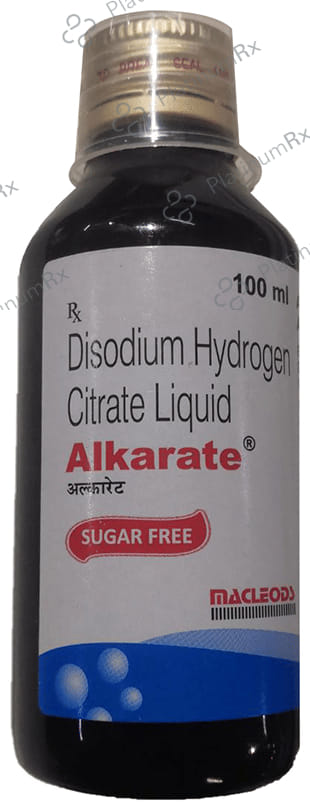
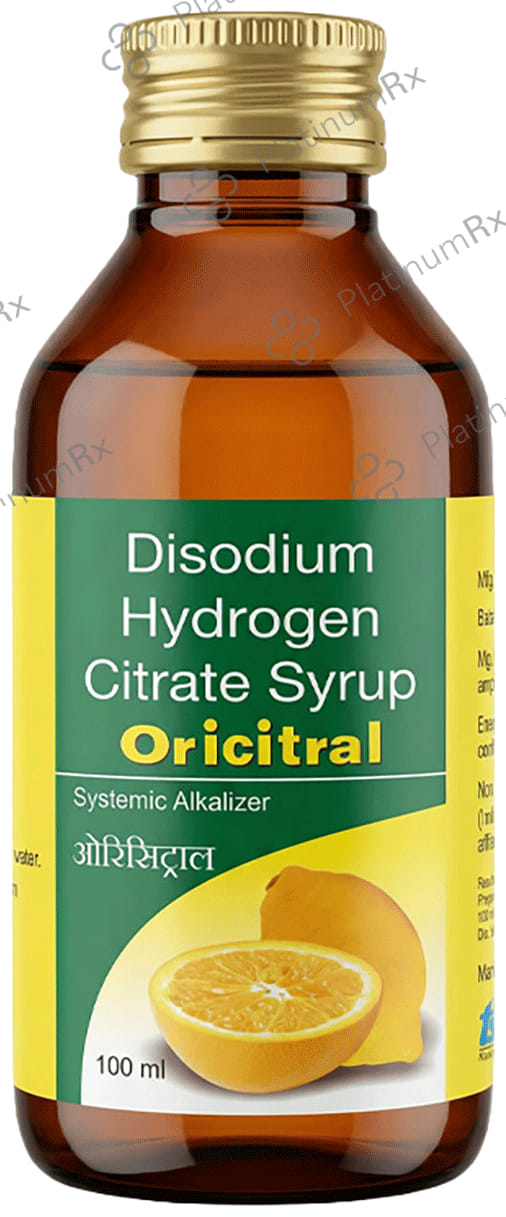
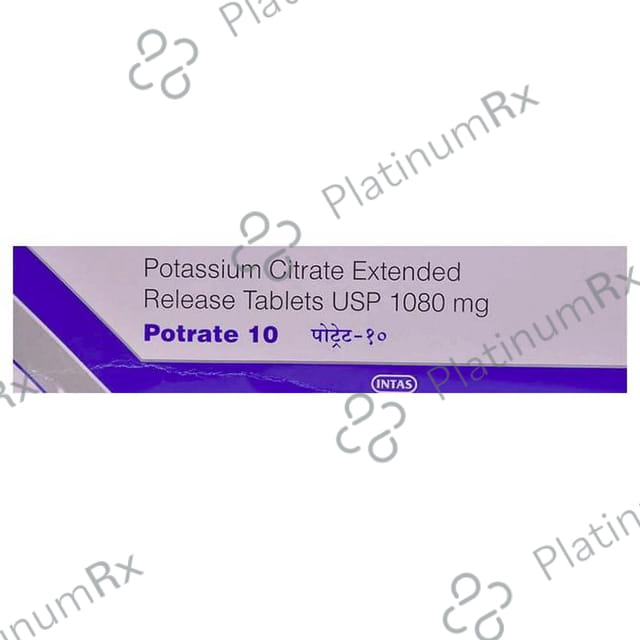
- Stone-Prevention Medicines Once the type of stone is known (through stone or urine analysis), specific medicines such as citrate supplements, thiazide diuretics, or allopurinol may be prescribed long-term to reduce the chance of new stones forming.
How Do Medicines for Kidney Stone Work?
Medicines used for kidney stones work in different ways depending on the goal. Pain relievers reduce the inflammation and spasm that cause renal colic pain. Alpha-blockers relax the muscle of the ureter, potentially making it easier for a stone to pass. Prevention medicines work differently again citrate makes urine less prone to forming new calcium-based crystals, thiazide diuretics reduce the amount of calcium the kidneys excrete into urine, and allopurinol lowers uric acid levels for people who form uric acid stones.
How to Choose the Right Medicine for Kidney Stone
Choosing the right medicine depends on details that usually require a scan and blood/urine tests, not just symptoms. Key factors include:
- Stone size and location (this determines whether medicine alone is likely to work)
- Likely stone type/composition
- Whether there are signs of infection or blockage
- Kidney function
- Pregnancy status
- Other medical conditions or medicines being taken
- Doctor's or urologist's advice
Dosage and How to Take Medicines for Kidney Stone
- Dosage depends on the specific medicine follow the label or your doctor's advice
- Drink plenty of fluids throughout the day, as directed, to support stone passage and prevent new stones
- NSAIDs need caution if you have reduced kidney function or a history of stomach ulcers check with your doctor
- Prevention medicines like thiazides or potassium citrate need periodic blood tests (for potassium levels) and, with allopurinol, liver function checks
- Do not start calcium supplements or restrict dietary calcium on your own this needs medical guidance, as it can sometimes increase stone risk if done incorrectly
- Do not increase, decrease, or stop the medicine on your own without medical advice
Side Effects and Precautions
Common Side Effects
NSAIDs may cause stomach upset or, with frequent use, affect kidney function. Alpha-blockers can cause dizziness or a drop in blood pressure on standing. Thiazide diuretics can lower potassium levels, and allopurinol can occasionally affect liver enzymes or cause a skin rash.
Precautions
- Known allergies to any medicine ingredient
- Reduced kidney function NSAID use needs particular caution
- Pregnancy or breastfeeding some medicines aren't suitable and need alternatives
- Other medicines being taken
- Regular blood tests if on long-term prevention medicines
Buy Medicine for Kidney Stone Online from PlatinumRx
You can buy medicines for kidney stone pain relief and prevention online from PlatinumRx. Browse medicines by their composition, compare available options and prices, and choose the medicine prescribed or recommended by your healthcare professional. For larger or complicated stones needing a procedure, your urologist will guide you on next steps beyond medicine.