Medicine for Itching
Types of Medicines Used for Itching
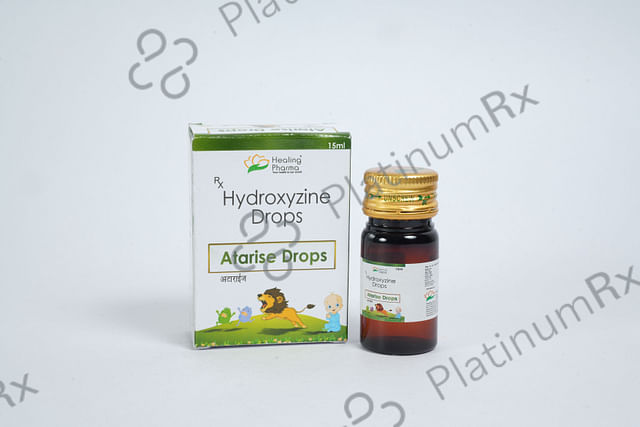
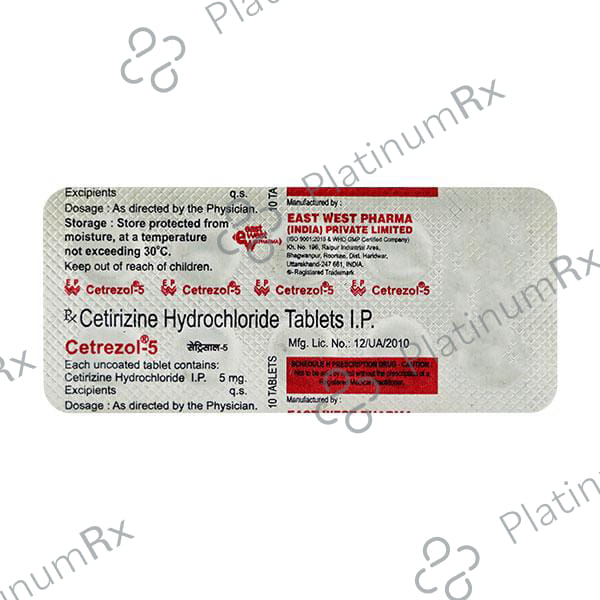
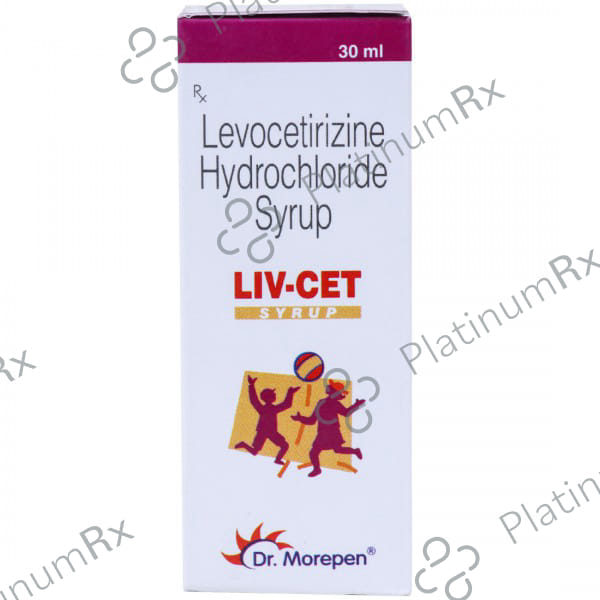
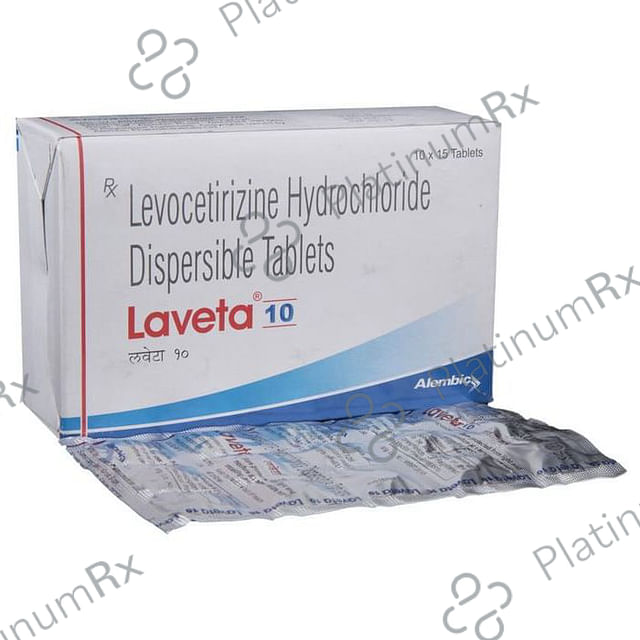
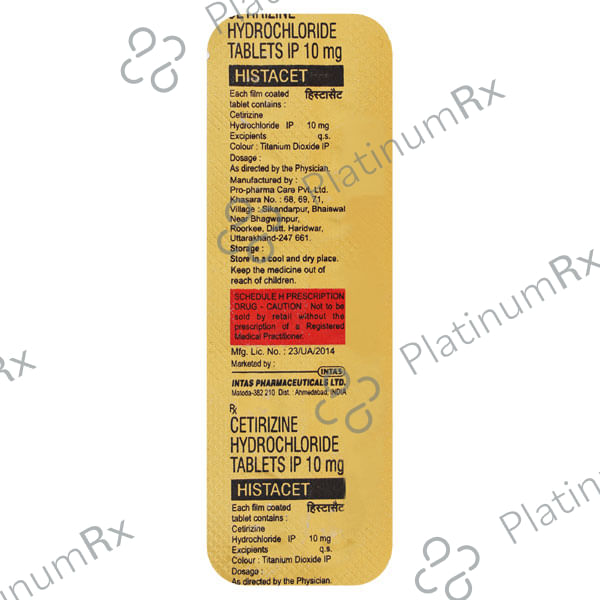
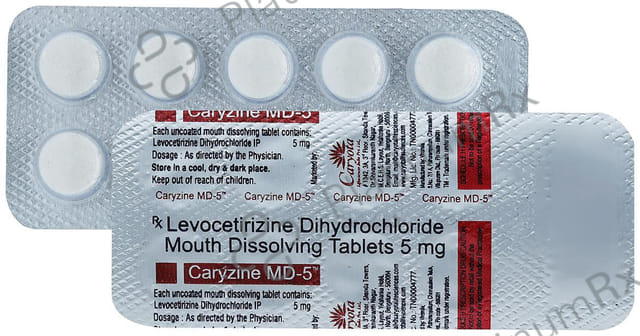
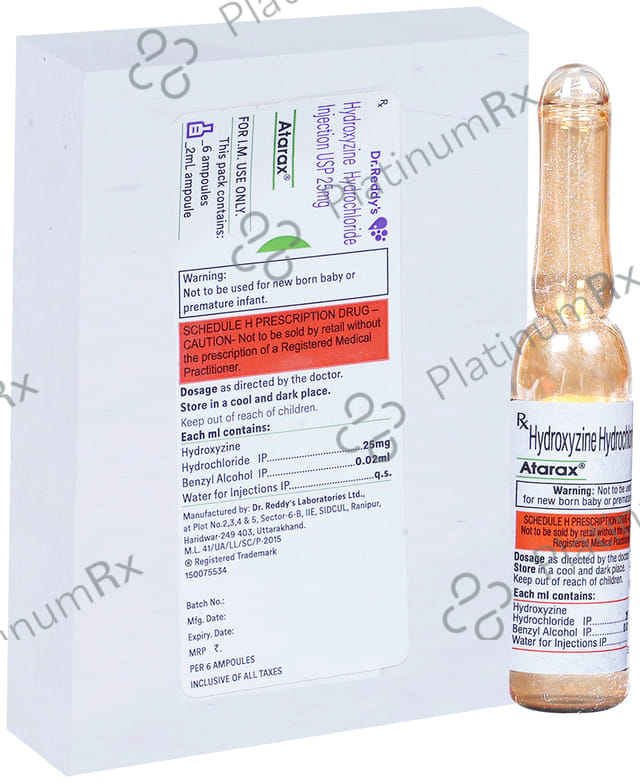
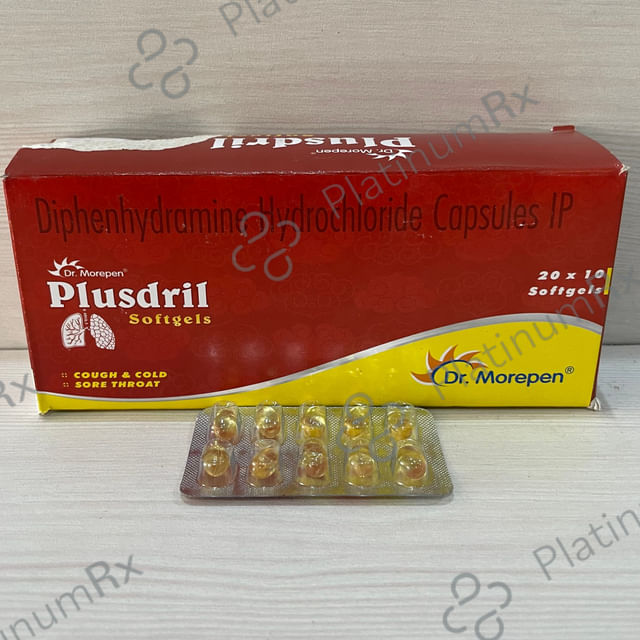
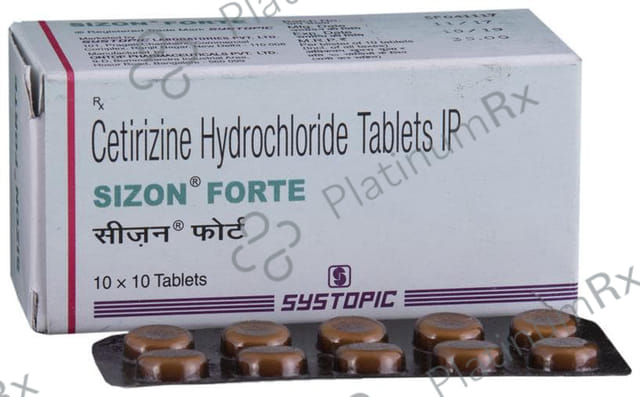
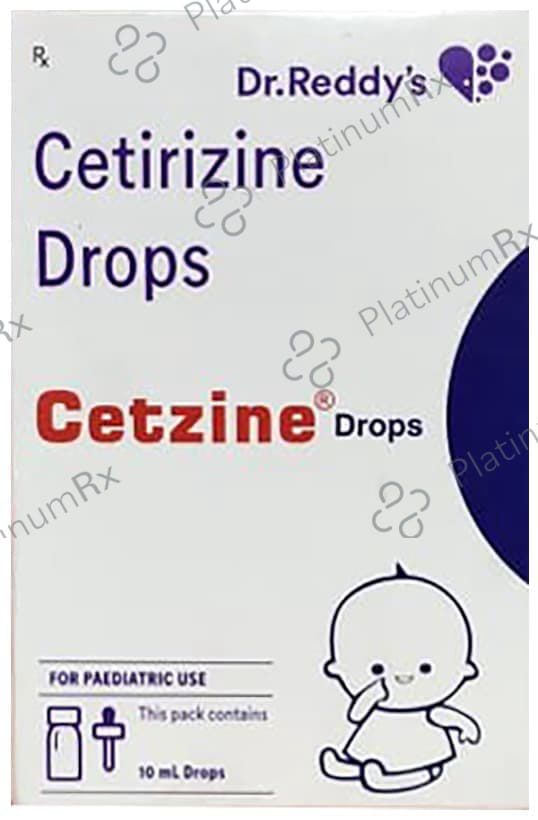
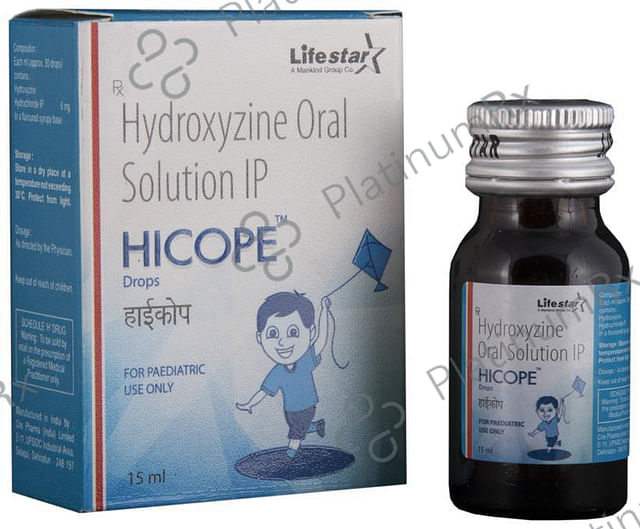
- Oral antihistamines- Help reduce itching caused by allergic reactions by blocking histamine, a chemical involved in allergy and itch responses.
- Topical corticosteroids- Creams or ointments that reduce inflammation and itching in a specific area of skin, often used for rashes or eczema.
- Emollients and moisturizers- Help restore the skin's natural barrier, which is especially useful for itching caused by dry skin.
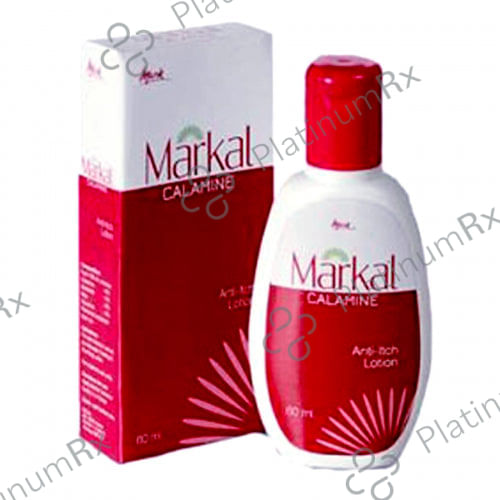
- Calamine and cooling lotions- Provide a soothing, cooling effect on the skin, often used for insect bites, mild rashes, or chickenpox-related itching.
- Topical anesthetics- Numb the skin briefly to reduce the sensation of itching in a localized area.
How Do Medicines for Itching Work?
Medicines for itching work in different ways depending on their active ingredients. Antihistamines block the chemical signals that trigger itching from allergies, while topical corticosteroids reduce inflammation directly on the skin. Moisturizers and soothing lotions work by protecting and calming the skin's surface. Choosing the right type depends on whether the itching is caused by allergy, dryness, inflammation, or irritation.
How to Choose the Right Medicine for Itching?
The right medicine depends on several personal factors, including:
- The underlying cause of your itching
- How widespread the itching is (localized or all over the body)
- Your age
- Any existing skin conditions or allergies
- Other medicines you're currently taking
- A doctor's or pharmacist's advice, especially if itching is severe or persistent
Dosage & How to Take Medicines for Itching
Dosage and application vary between oral and topical itching medicines, so there's no single routine that fits everyone. Always follow the label instructions or your doctor's/pharmacist's advice.
General points to keep in mind:
- Apply topical medicines only to the affected area, as directed.
- Oral antihistamines are usually taken once or twice daily, but this varies by product.
- If a dose is missed, take the next one as scheduled rather than doubling up.
- Avoid using topical corticosteroids for longer than advised, as prolonged use can thin the skin.
- See a doctor if itching persists for more than a couple of weeks or spreads.
Side Effects & Precautions
Common Side Effects
Oral antihistamines can cause drowsiness or dry mouth, especially older-generation ones. Topical corticosteroids may cause mild skin thinning or irritation with prolonged use.
Precautions
- Inform your pharmacist about any known allergies before choosing an itching medicine.
- Avoid applying topical steroids to broken or infected skin without medical advice.
- Pregnant or breastfeeding women should check with a doctor before using certain itching medicines.
- Some antihistamines can interact with sedatives or alcohol, increasing drowsiness.
- Children may need different formulations or lower doses- check age-appropriate labeling.
- Persistent, unexplained itching should be evaluated by a doctor to rule out an underlying condition.
Buy Medicine for Itching Online from PlatinumRx
You can buy medicines for itching online from PlatinumRx. Browse medicines by their composition, compare available options and prices, and choose the medicine suited to your symptoms. PlatinumRx offers medicines from multiple brands and provides convenient online ordering and delivery.