Medicine for Insomnia

Types of Medicines Used for Insomnia
- Sedative-hypnotics- Prescription medicines specifically designed to help with sleep onset and maintenance, generally used for short periods.
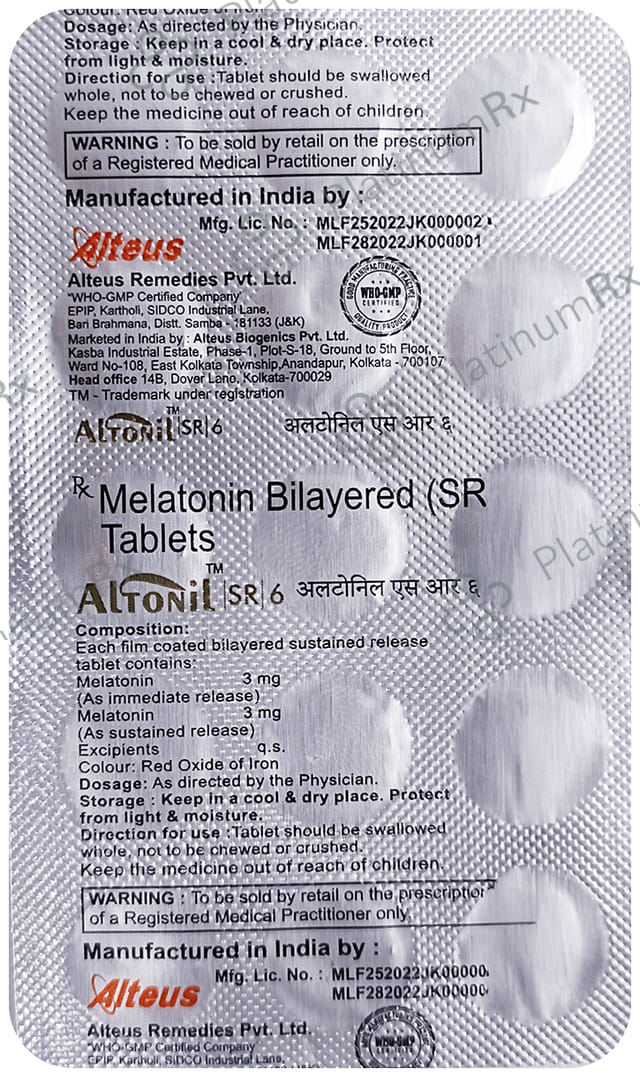
- Melatonin-based products- Help regulate the body's natural sleep-wake cycle, often used for jet lag or mild sleep difficulties.
- Antihistamines- Certain antihistamines have a sedating effect and are sometimes used for occasional sleep difficulty.
- Low-dose antidepressants- Sometimes used at low doses specifically for their sleep-supporting effects, particularly when insomnia occurs alongside mood symptoms.
How Do Medicines for Insomnia Work?
Medicines for insomnia work in different ways depending on their active ingredients. Sedative-hypnotics act on the brain to promote sleepiness and reduce nighttime awakenings, melatonin helps signal to the body that it's time to sleep, and certain antihistamines cause drowsiness as a side effect that can support sleep.
Because insomnia can have many causes, addressing underlying factors like stress or poor sleep habits is often just as important as medicine.
How to Choose the Right Medicine for Insomnia?
The right medicine depends on several personal factors, including:
- Whether your insomnia is short-term or long-lasting
- Whether you have trouble falling asleep, staying asleep, or both
- Your age and general health
- Other conditions you may have, like anxiety or depression
- Other medicines you're currently taking
- Your doctor's assessment and prescription
Dosage & How to Take Medicines for Insomnia
Dosage varies between different insomnia medicines, so there's no single dose that fits everyone. Always follow what your doctor has prescribed.
General points to keep in mind:
- Take sleep medicines shortly before bedtime, allowing enough time for a full night's sleep
- Avoid taking sleep medicine unless you can dedicate several hours to sleep afterward
- If a dose is missed at bedtime, don't take it later in the night if it would shorten your sleep time significantly
- Avoid long-term, nightly use of sedative-hypnotics without medical guidance
- Practice good sleep habits alongside medicine, such as a consistent bedtime routine
Side Effects & Precautions
Common Side Effects
Sedative-hypnotics can cause next-day drowsiness or dizziness. Antihistamines used for sleep may cause dry mouth or grogginess the following morning.
Precautions
- Inform your doctor about any known allergies before starting a new medicine
- Avoid driving or operating machinery the morning after taking a sleep medicine if you still feel drowsy
- Pregnant or breastfeeding women should check with a doctor before taking insomnia medicines
- Avoid alcohol while taking sleep medicines, as this can increase drowsiness and other risks
- Some insomnia medicines carry a risk of dependence with long-term use- follow your doctor's guidance on duration
- Older adults may be more sensitive to sedative effects and fall risk
Buy Medicine for Insomnia Online from PlatinumRx
You can buy medicines for insomnia online from PlatinumRx. Browse medicines by their composition, compare available options and prices, and choose the medicine prescribed or recommended by your healthcare professional. PlatinumRx offers medicines from multiple brands and provides convenient online ordering and delivery.