Medicine for Hyperthyroidism

Types of Medicines Used for Hyperthyroidism
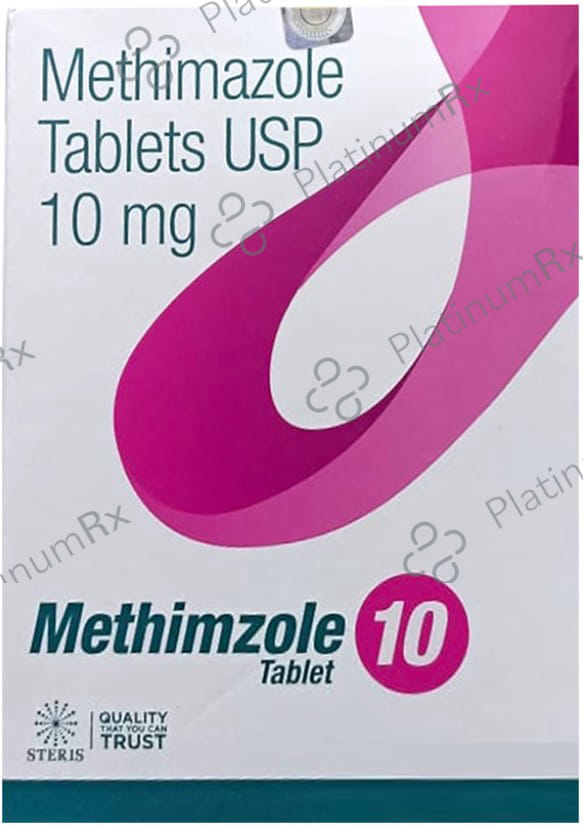
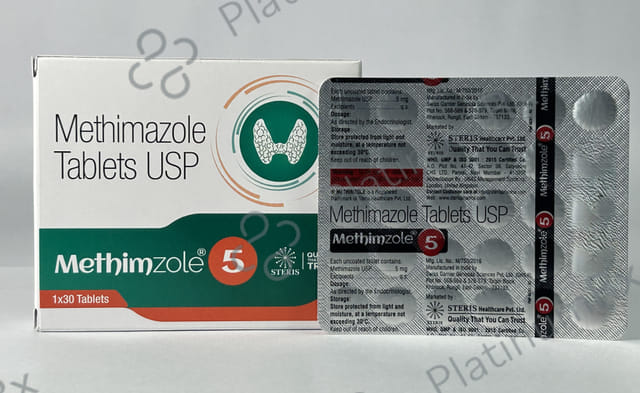
- Antithyroid Drugs (Thionamides) Medicines like carbimazole (which converts to methimazole in the body) and propylthiouracil reduce how much hormone the thyroid gland produces. These are the mainstay of treatment for most people and are usually taken for an extended period, often a year or more.
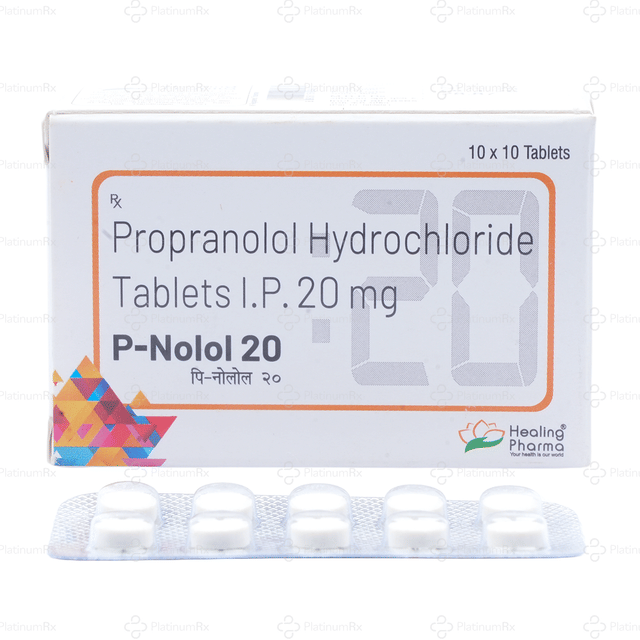
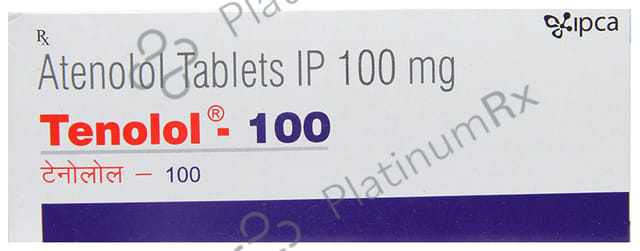
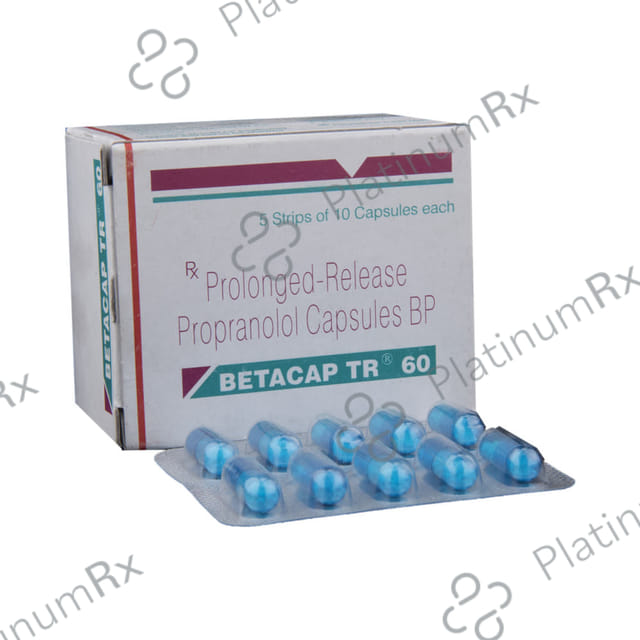
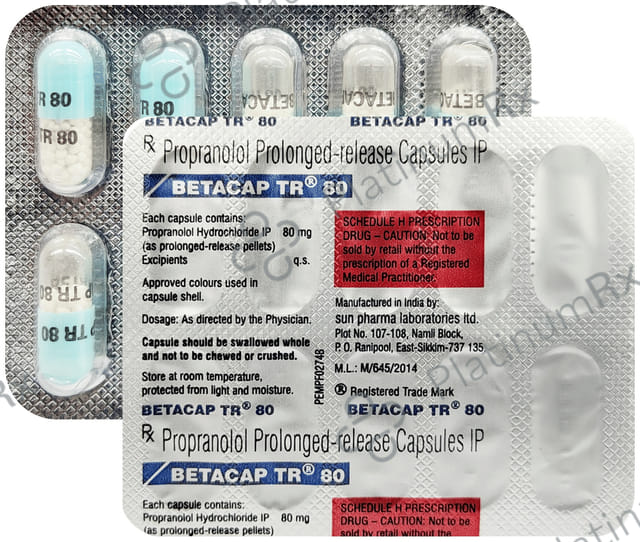
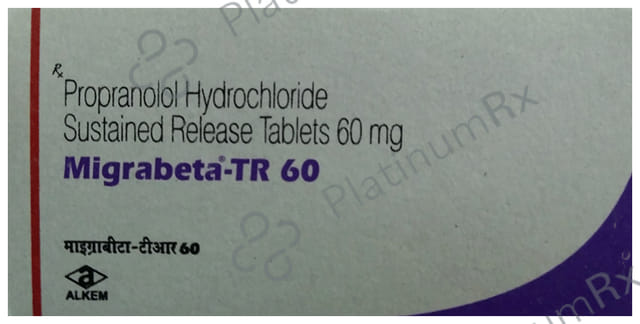
- Beta-Blockers These don't reduce thyroid hormone levels but help control symptoms like a fast heart rate, tremors, and anxiety, giving relief while the antithyroid drug takes effect over the following weeks.
- Iodine-Based Preparations Used short-term in specific situations, such as before thyroid surgery, to help stabilise hormone levels quickly. This is always specialist-directed and closely monitored.
How Do Medicines for Hyperthyroidism Work?
Medicines used for hyperthyroidism work in different ways depending on their role in treatment. Antithyroid drugs block an enzyme the thyroid gland needs to produce hormone, gradually lowering hormone levels over several weeks. Beta-blockers work differently they don't affect the thyroid directly, but calm the heart and nervous system's response to high hormone levels, easing symptoms like palpitations and tremor in the meantime. Iodine preparations work by temporarily reducing hormone release from the thyroid, which is useful for short, specific windows like pre-surgery stabilisation.
How to Choose the Right Medicine for Hyperthyroidism
This is entirely a doctor's decision, based on your specific diagnosis and regular blood test results. Key factors include:
- The underlying cause (Graves' disease, toxic nodule, thyroiditis, etc.)
- Severity of hormone excess and symptoms
- Pregnancy status (medicine choice may differ, especially in early pregnancy)
- Other health conditions, including liver or blood disorders
- Other medicines being taken
- How your body responds to treatment over time, tracked through blood tests
Dosage and How to Take Medicines for Hyperthyroidism
- Dosage is decided by your doctor and adjusted based on regular blood test results
- Take your medicine at the same time each day for consistent effect
- It can take several weeks to feel the full benefit, even though the medicine starts working earlier
- If you miss a dose, take it as soon as you remember, unless it's close to your next dose don't double up
- Never stop antithyroid medicine suddenly, even if you feel better doing so can cause hormone levels and symptoms to rebound, and in rare cases contribute to a serious flare-up
- Attend all follow-up blood tests, as these guide dose changes over time
Side Effects and Precautions
Common Side Effects
Some medicines used for hyperthyroidism may cause mild skin rash, itching, joint pain, or nausea. Beta-blockers may cause tiredness or a slower heart rate. Most mild side effects can be managed, but should still be reported to your doctor.
Important Safety Warning
Antithyroid drugs (carbimazole, methimazole, propylthiouracil) carry a rare but serious risk of a sudden drop in white blood cells (agranulocytosis), which can make infections more dangerous. Stop the medicine and contact your doctor immediately if you develop a fever, sore throat, mouth ulcers, or other signs of infection while on treatment a blood test may be needed urgently.
Precautions
- Known allergies to any medicine ingredient
- Pregnancy or breastfeeding medicine choice may need to change, especially in early pregnancy
- Existing liver conditions, since some antithyroid drugs can affect liver function
- Other medicines being taken
- Extra caution for children and elderly patients
Buy Medicine for Hyperthyroidism Online from PlatinumRx
Once your doctor has prescribed medicine as part of your hyperthyroidism treatment plan, you can order it through PlatinumRx for convenient home delivery. Browse medicines by their composition, compare available options and prices, and stay on top of your regular refills.