Medicine for High Cholesterol
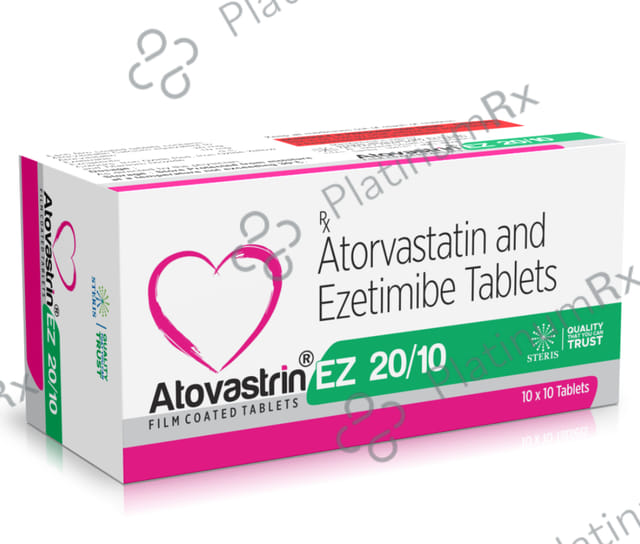
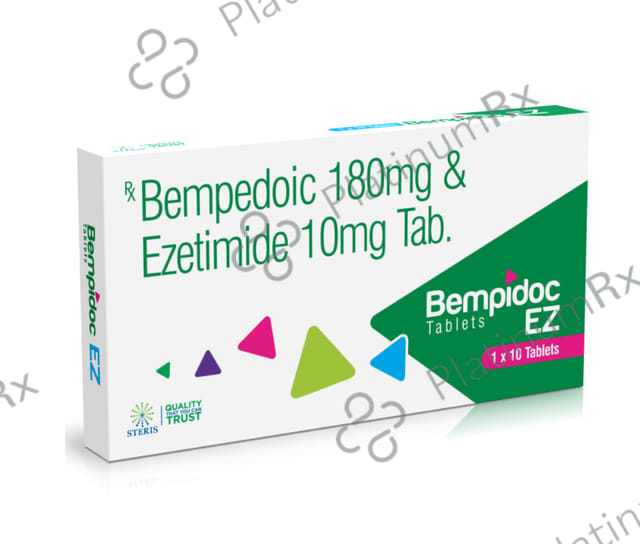
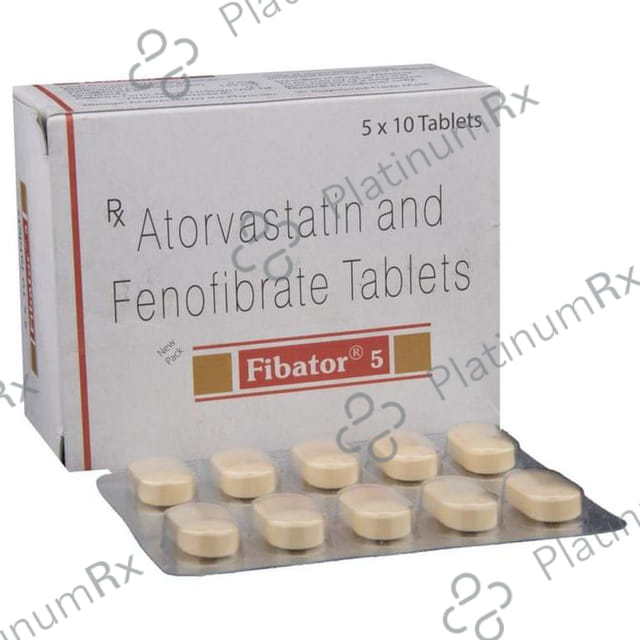
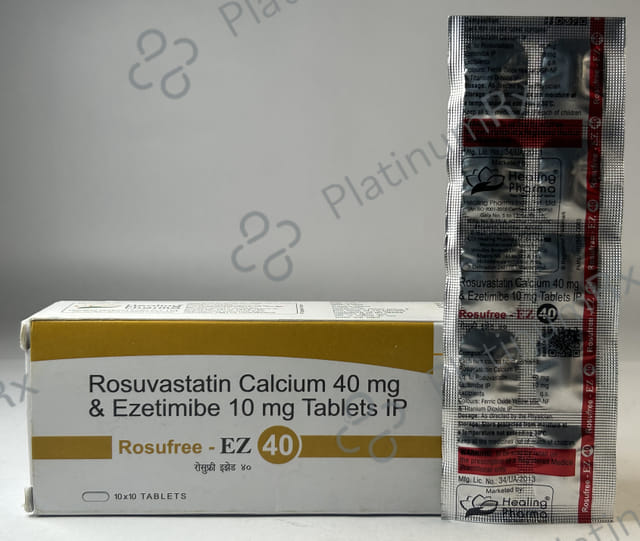
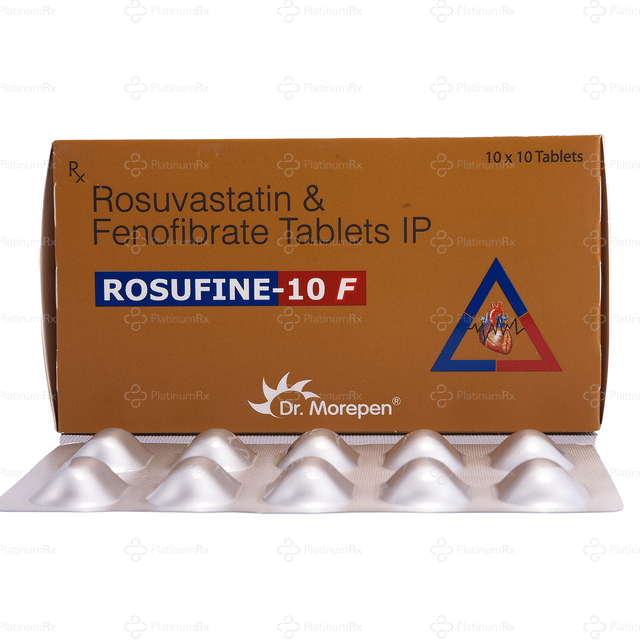
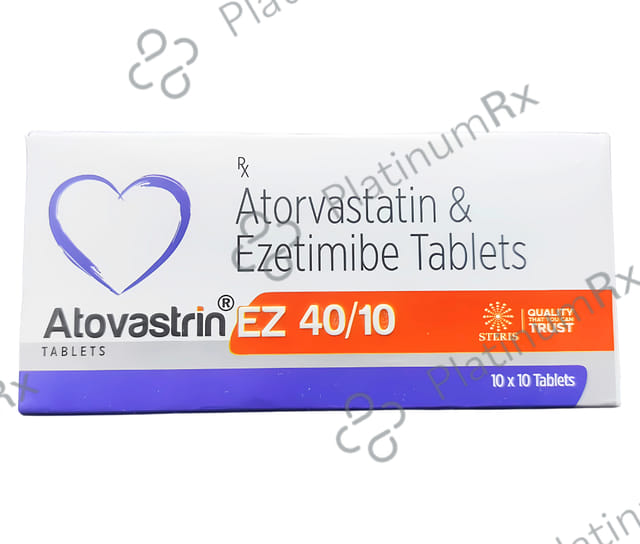
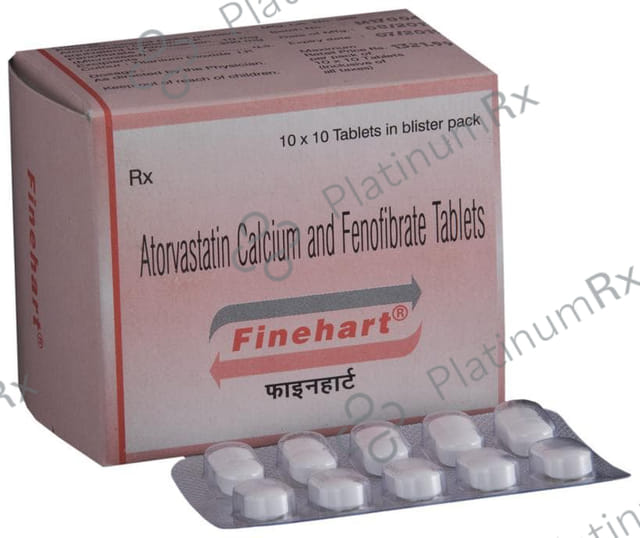
Types of Medicines Used for High Cholesterol
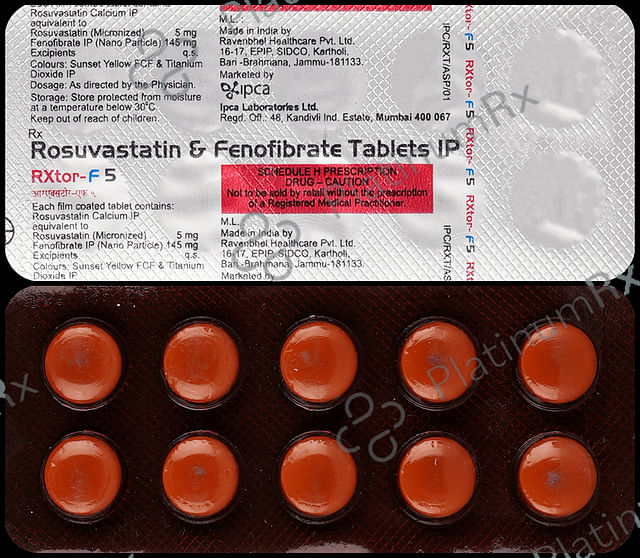
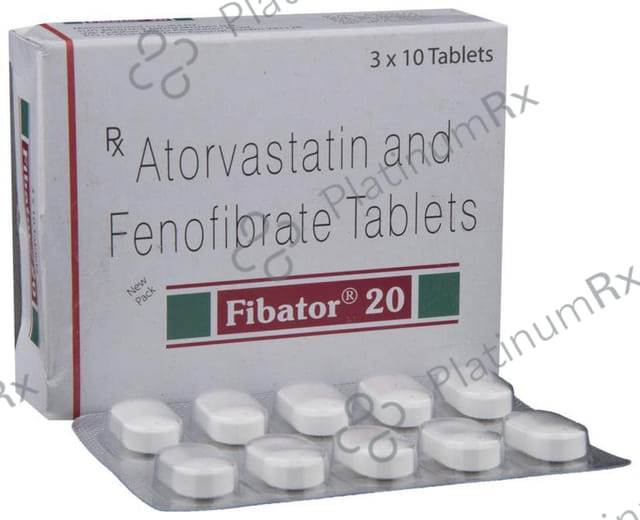
- Statins The most commonly prescribed medicines for high cholesterol. They work in the liver to reduce cholesterol production, which lowers LDL cholesterol in the blood (Wikipedia).
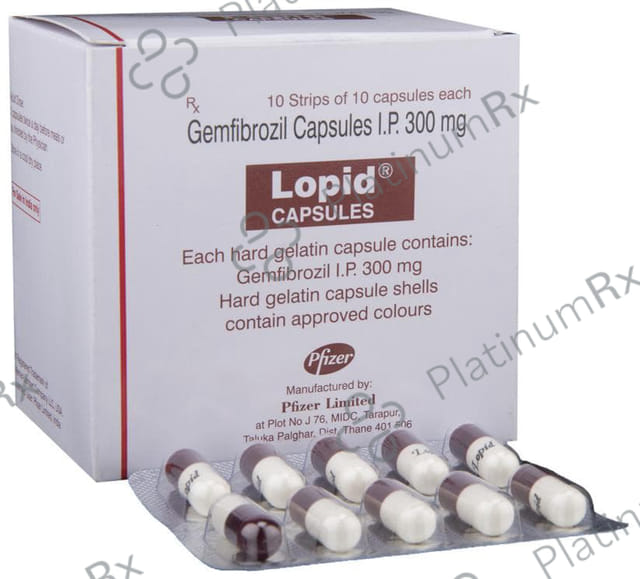
- Fibrates Mainly used to lower high triglyceride levels and can modestly raise HDL (good) cholesterol.
- Bile acid sequestrants These work in the gut, helping remove cholesterol from the body through digestion, and are sometimes used alongside statins.
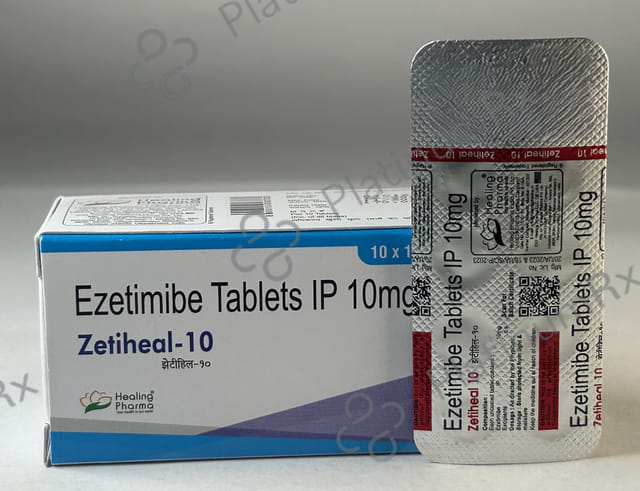
- Cholesterol absorption inhibitors These reduce the amount of cholesterol absorbed from food in the intestine, often combined with statins for extra effect.
- PCSK9 inhibitors Newer injectable medicines used for people who need significant additional cholesterol lowering, usually when other medicines aren't enough on their own.
- Niacin (nicotinic acid) Can help raise HDL ("good") cholesterol and lower triglycerides, though it's used less often today due to side effects.
How Do Medicines for High Cholesterol Work?
Medicines for high cholesterol work in different ways depending on their active ingredients. Statins reduce how much cholesterol your liver makes, while other medicines reduce how much cholesterol your gut absorbs from food, or help your body clear cholesterol from the blood more effectively. Because these medicines act at different points, doctors sometimes combine two types for people who need more help lowering their cholesterol.
How to Choose the Right Medicine for High Cholesterol?
The right medicine depends on several personal factors, including:
- Your current cholesterol and triglyceride levels
- Your overall heart disease risk
- Your age and general health
- Other conditions you may have, like diabetes or kidney disease
- Other medicines you're currently taking
- Your doctor's assessment and prescription
- Your family history of heart disease
Dosage & How to Take Medicines for High Cholesterol
Dosage varies between different cholesterol medicines, so there's no single dose that fits everyone. Always follow what your doctor has prescribed. General points to keep in mind:
- Many statins are taken once daily, often in the evening, though this can vary by medicine
- Some cholesterol medicines are best taken with food, while others are taken on an empty stomach check your prescription label
- If you miss a dose, don't double up check with your pharmacist or doctor on what to do
- Never stop or change your dose on your own, even if you feel completely fine, since cholesterol control has no immediate symptoms to guide you
- Keep up with periodic blood tests, as your doctor may recommended to monitor cholesterol and liver function
Side Effects & Precautions
Common Side Effects
Some people experience mild muscle aches, digestive upset, or headache. Rarely, statins can affect liver enzymes or cause more significant muscle-related symptoms, which is why doctors may recommend periodic blood tests.
Precautions
- Inform your doctor about any known allergies before starting a new medicine
- Let your doctor know about liver or kidney conditions, as some cholesterol medicines need dose adjustments
- Pregnant or breastfeeding women should generally avoid statins unless specifically advised by their doctor
- Some cholesterol medicines can interact with other drugs, including certain antibiotics and other heart medicines
- Older adults may need closer monitoring for muscle-related side effects
- Limit grapefruit juice with certain statins, as it can increase side-effect risk
Buy Medicine for High Cholesterol Online from PlatinumRx
You can buy medicines for high cholesterol online from PlatinumRx. Browse medicines by their composition, compare available options and prices, and choose the medicine prescribed or recommended by your healthcare professional. PlatinumRx offers medicines from multiple brands and provides convenient online ordering and delivery.