Medicine for Heart Attack
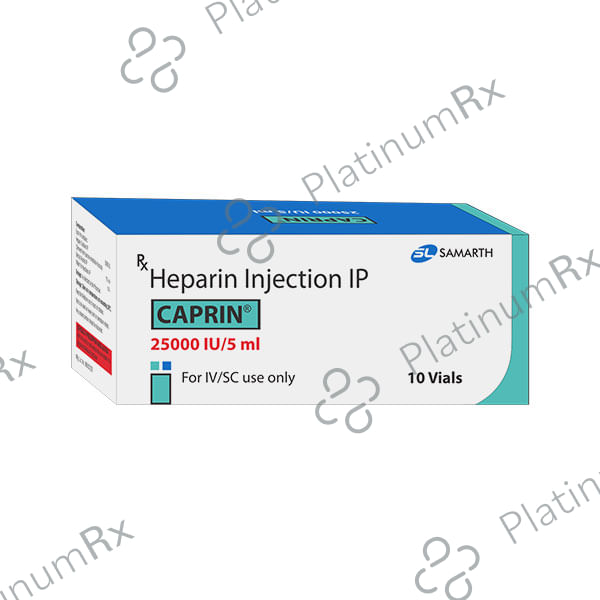
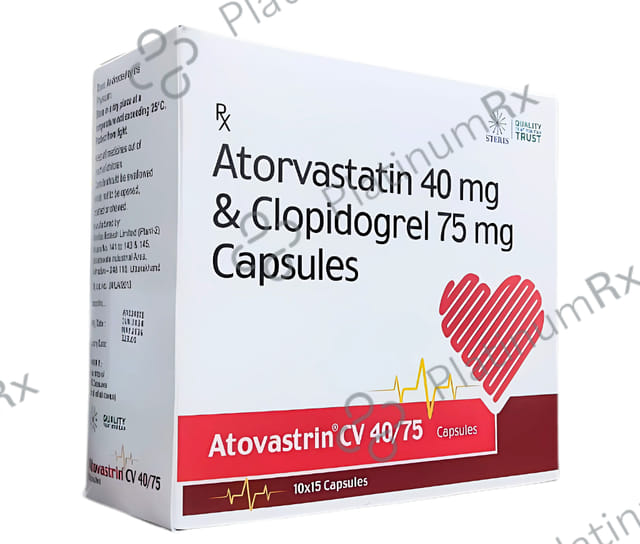
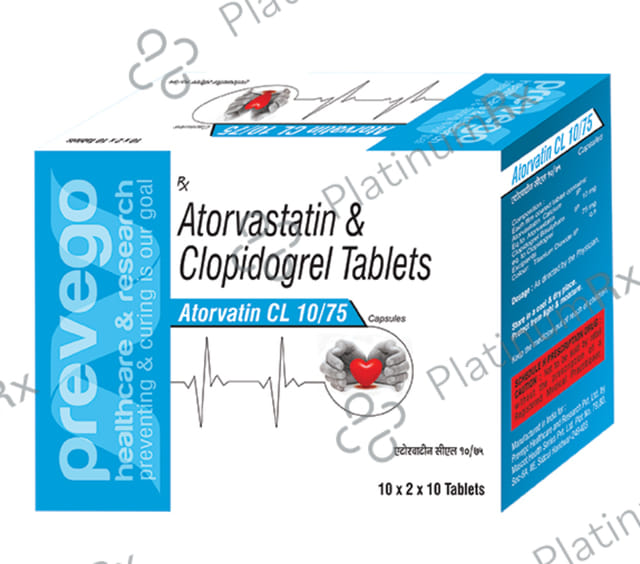
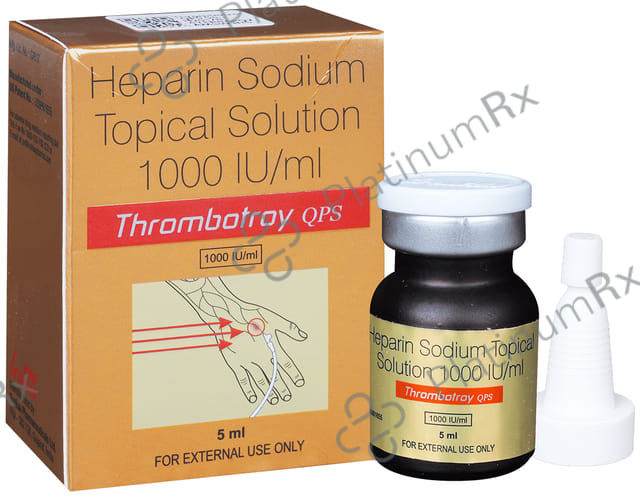
Types of Medicines Used After a Heart Attack
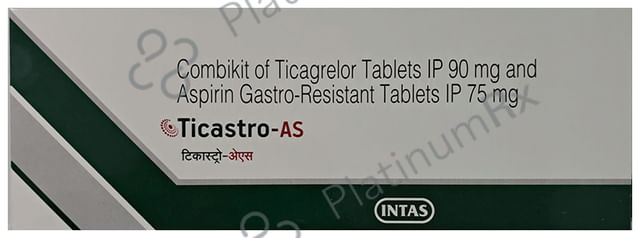
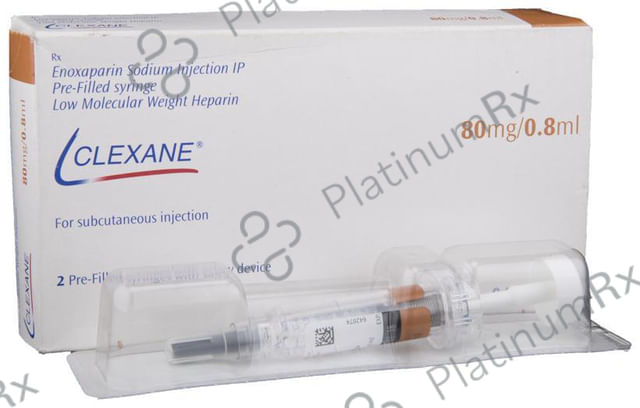
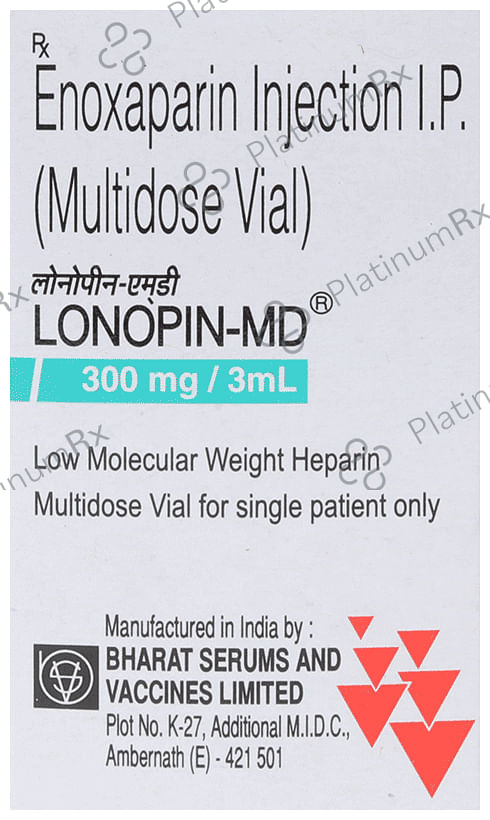
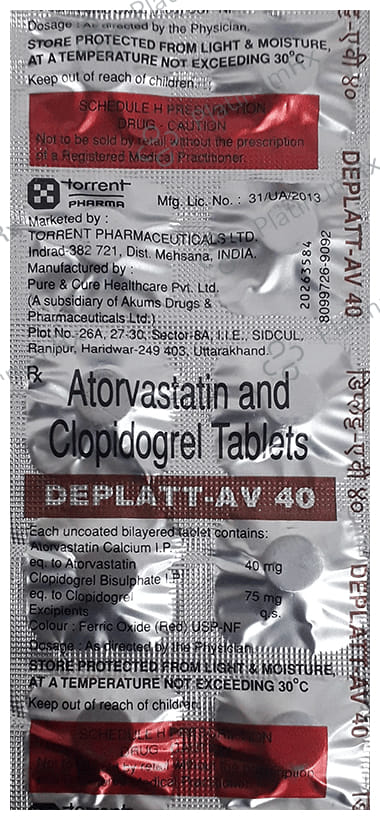
- Antiplatelet Medicines (Aspirin and a P2Y12 Inhibitor) Aspirin, often combined with a second antiplatelet medicine like clopidogrel or ticagrelor, prevents blood cells called platelets from clumping together to form new clots. This combination is especially critical if a stent was placed, usually continued for around a year, followed by long-term aspirin alone.
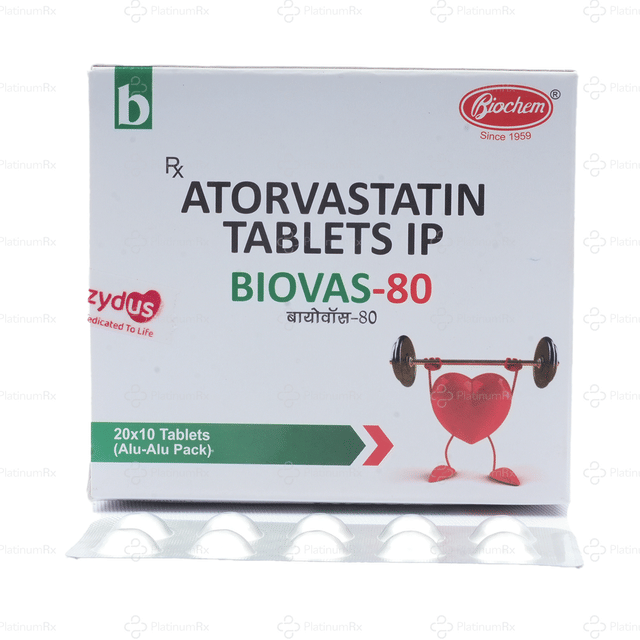
- Statins Lower cholesterol and help stabilise the fatty deposits (plaques) in artery walls that led to the blockage. These are typically taken long-term, often for life, regardless of how normal your cholesterol numbers become.
- Beta-Blockers Slow the heart rate and reduce the force of each heartbeat, easing the heart's workload while it recovers and lowering the risk of dangerous heart rhythms.
- ACE Inhibitors or ARBs Help protect and support heart function, particularly important if the heart attack has left the heart muscle weaker than before.
How Do These Medicines Work?
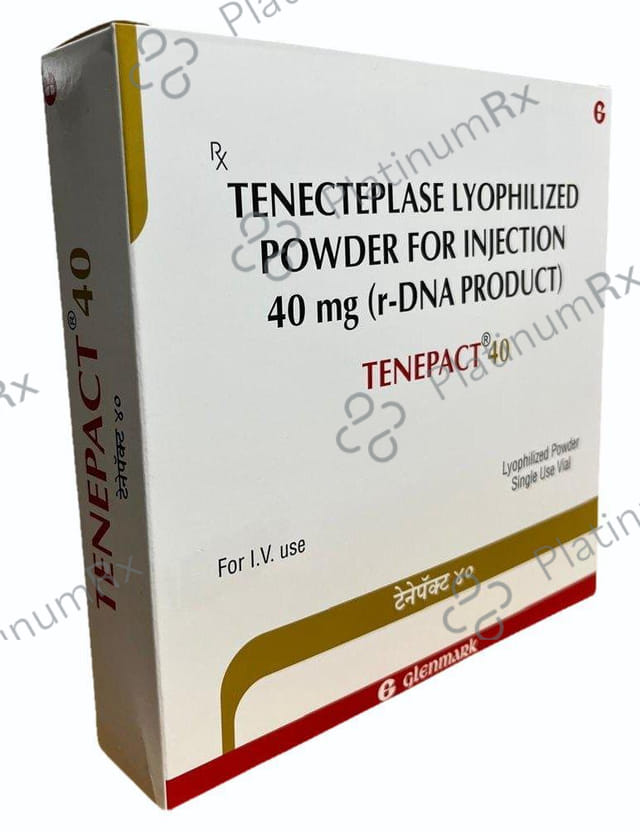
Medicines used after a heart attack work together, targeting different parts of the problem. Antiplatelet medicines stop new clots from forming in already-narrowed or stented arteries. Statins work on the underlying artery disease, reducing cholesterol buildup and helping stabilise plaques so they're less likely to rupture and cause another blockage. Beta-blockers and ACE inhibitors/ARBs both support the heart more directly one by easing its workload, the other by helping it function well even if some muscle was damaged. Together, they address prevention from several angles rather than any single one being enough alone.
How Is Post-Heart-Attack Medicine Decided?
This is entirely a cardiologist's decision, based on:
- The type of heart attack and how it was treated (including whether a stent was placed)
- Current heart function
- Other conditions like diabetes, kidney disease, or high blood pressure
- Bleeding risk and other medicines being taken
- How you respond to treatment during follow-up visits
Taking Post-Heart-Attack Medicines Correctly
- Take all prescribed medicines exactly as directed, at the same times each day
- Never stop antiplatelet medicines on your own, especially if you have a stent stopping early is strongly linked to a significantly higher risk of another heart attack, sometimes within days
- Continue statins and other long-term medicines even if you feel completely well or your test results look normal that's usually a sign the medicines are working, not that they're no longer needed
- If you miss a dose, take it as soon as you remember, unless it's close to your next dose don't double up, and don't skip your antiplatelet medicine
- Attend all follow-up appointments, as your regimen may be adjusted over time
- Tell every doctor or dentist you see that you're on antiplatelet medicine before any procedure, including minor ones
Side Effects and Precautions
Common Side Effects
Antiplatelet medicines increase the risk of bruising or bleeding. Statins can occasionally cause muscle aches, which should be reported rather than self-managed by stopping the medicine. Beta-blockers can cause tiredness or a slower heart rate, and ACE inhibitors can cause a dry cough in some people.
Precautions
- Known allergies to any medicine ingredient
- Any signs of unusual bleeding or bruising while on antiplatelet medicines
- Other medicines being taken, including over-the-counter painkillers like NSAIDs, which can increase bleeding risk when combined with antiplatelets
- Existing kidney or liver conditions
- Pregnancy some of these medicines aren't suitable, and alternatives will be discussed if relevant
Ordering Post-Heart-Attack Medicines from PlatinumRx
Once your cardiologist has prescribed your medicines following a heart attack, you can order them through PlatinumRx for convenient, ongoing home delivery- helpful for staying consistent with a long-term, multi-medicine routine.