Medicine for Gout

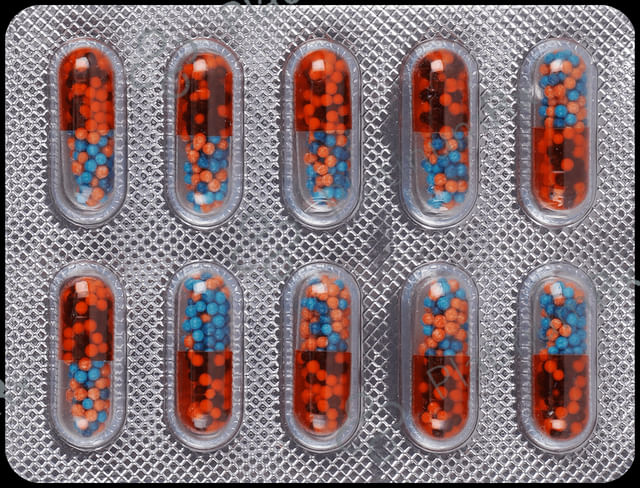
Types of Medicines Used for Gout
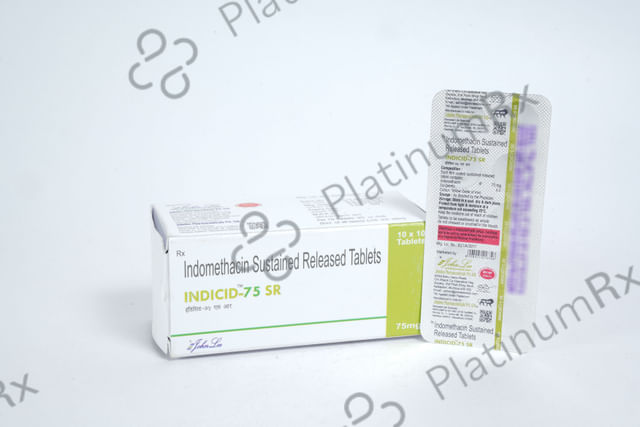
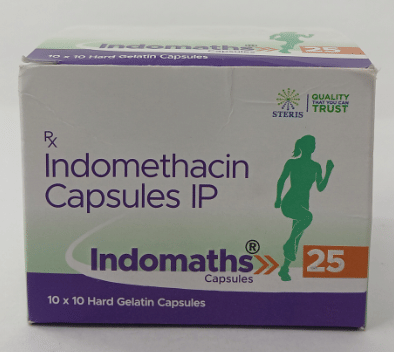
- NSAIDs Commonly used to relieve pain and inflammation during an acute gout attack.
- Colchicine A specific anti-inflammatory medicine effective for gout attacks, particularly when started early in a flare-up.
- Corticosteroids Used for gout attacks, especially when NSAIDs or colchicine aren't suitable, to quickly reduce inflammation.
- Urate-lowering medicines Used long-term to reduce uric acid levels in the blood, helping prevent future gout attacks.
How Do Medicines for Gout Work?
Medicines for gout work in different ways depending on their active ingredients. NSAIDs, colchicine, and corticosteroids reduce inflammation and pain during an acute attack, while urate-lowering medicines work over time to reduce the amount of uric acid in the blood, preventing new crystals from forming in the joints. Acute attack treatment and long-term prevention often require different medicines used at different times.
How to Choose the Right Medicine for Gout?
The right medicine depends on several personal factors, including:
- Whether you're experiencing an acute attack or need long-term prevention
- Your uric acid levels
- Other health conditions you may have, like kidney disease
- Other medicines you're currently taking
- Your doctor's assessment and prescription
- How frequently you experience gout attacks
Dosage & How to Take Medicines for Gout
Dosage varies between different gout medicines, so there's no single dose that fits everyone. Always follow what your doctor has prescribed.
General points to keep in mind:
- Start acute attack medicines as early as possible when you notice symptoms
- Take urate-lowering medicines consistently, even between flare-ups, for long-term control
- If you miss a dose, don't double up check with your doctor or pharmacist on what to do
- Never stop urate-lowering medicine suddenly, as this can trigger a flare-up
- Stay well hydrated and consider dietary advice from your doctor to support treatment
Side Effects & Precautions
Common Side Effects
NSAIDs can cause stomach upset. Colchicine may cause nausea or diarrhea, especially at higher doses. Urate-lowering medicines can occasionally cause skin rash.
Precautions
- Inform your doctor about any known allergies before starting a new medicine
- Let your doctor know about kidney or liver conditions, as some gout medicines need dose adjustments
- Pregnant or breastfeeding women should only use gout medicines advised by their doctor
- Some gout medicines can interact with other drugs, including certain blood thinners
- Starting urate-lowering medicine can sometimes trigger a temporary flare-up, which your doctor may address separately
- Limit alcohol and certain high-purine foods, as these can trigger gout attacks
Buy Medicine for Gout Online from PlatinumRx
You can buy medicines for gout online from PlatinumRx. Browse medicines by their composition, compare available options and prices, and choose the medicine prescribed or recommended by your healthcare professional. PlatinumRx offers medicines from multiple brands and provides convenient online ordering and delivery.