Medicine for Fungal Infections
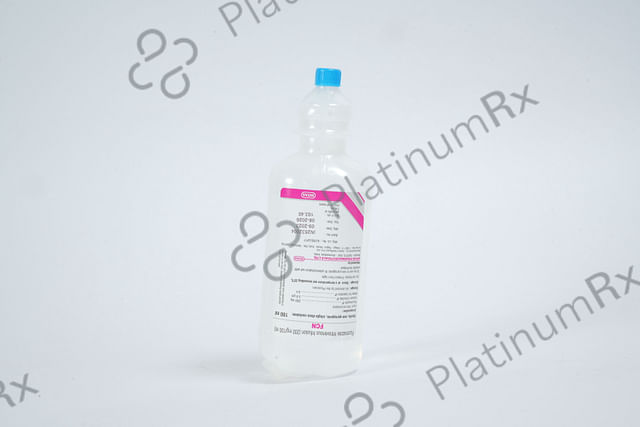
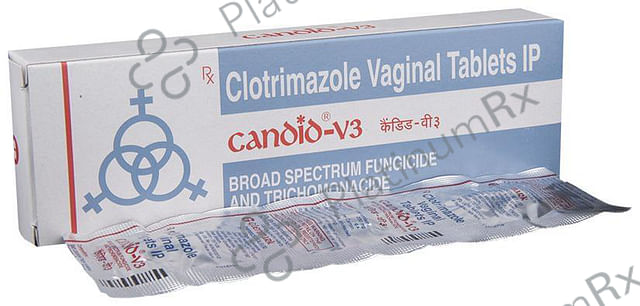

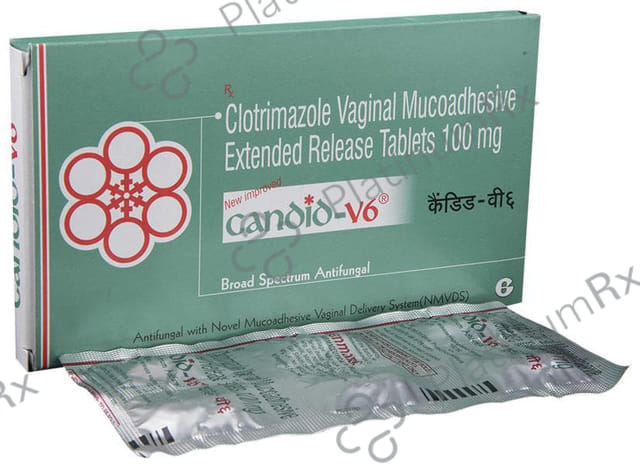
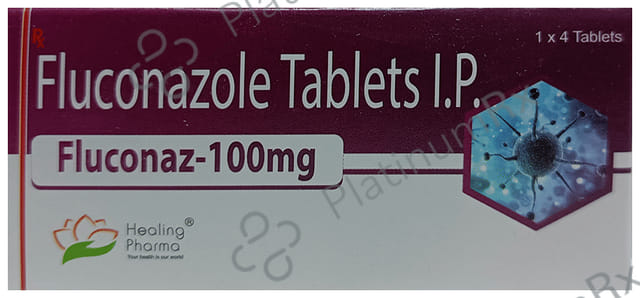



Types of Medicines Used for Fungal Infections
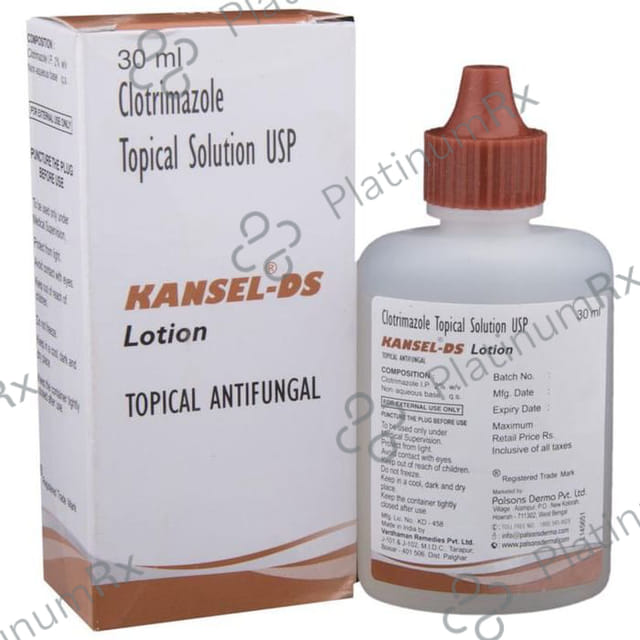
- Topical antifungal creams Applied directly to the skin to treat localized fungal infections like ringworm or athlete's foot.
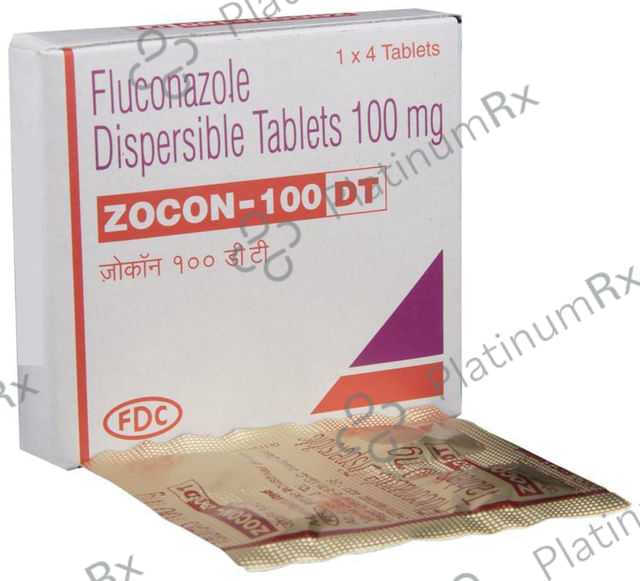
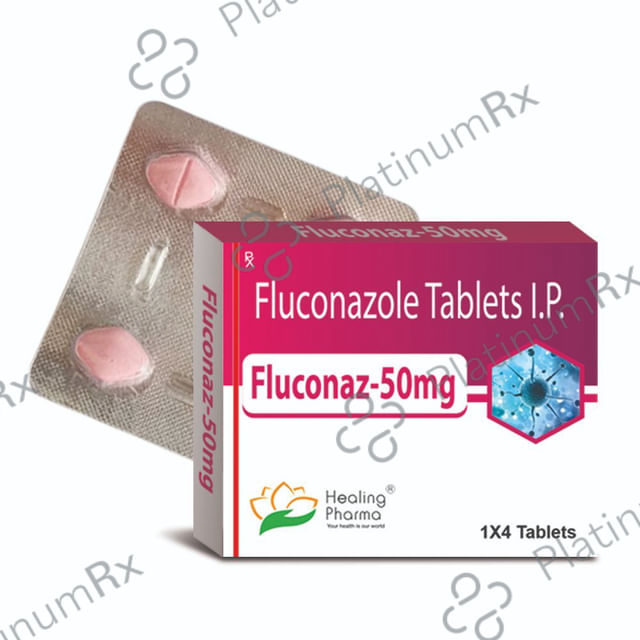
- Oral antifungal tablets Used for more widespread, severe, or nail-related fungal infections that don't respond well to topical treatment alone.
- Antifungal shampoos Used for fungal infections affecting the scalp or contributing to conditions like dandruff.
- Antifungal powders Help keep areas like the feet dry while treating or preventing fungal infections in moisture-prone areas.
- Antifungal vaginal treatments Used specifically for fungal infections like vaginal yeast infections.
How Do Medicines for Fungal Infections Work?
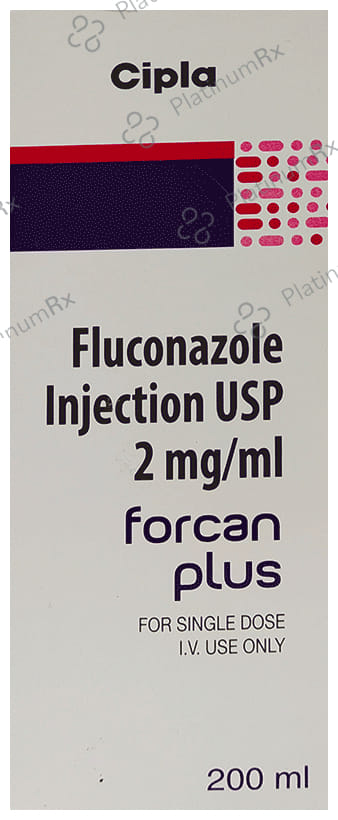
Medicines for fungal infections work in different ways depending on their active ingredients. Most antifungal medicines either kill fungal cells directly or stop them from growing and multiplying, allowing the body's immune system to clear the remaining infection. Oral antifungals reach the infection through the bloodstream, which is useful for infections that are harder to treat with creams alone, like nail infections.
How to Choose the Right Medicine for Fungal Infections?
The right medicine depends on several personal factors, including:
- The location and type of fungal infection
- How severe or widespread the infection is
- Your age and general health
- Other health conditions, like diabetes, which can affect fungal infections
- Other medicines you're currently taking
- A doctor's or pharmacist's advice, especially for nail or widespread infections
Dosage & How to Take Medicines for Fungal Infections
Dosage and treatment duration vary between different fungal infection medicines, so there's no single routine that fits everyone. Always follow the label instructions or your doctor's/pharmacist's advice.
General points to keep in mind:
- Apply topical treatments to clean, dry skin as directed
- Continue treatment for the full recommended duration, even after symptoms improve, to prevent recurrence
- If a dose is missed, apply or take the next one as scheduled rather than doubling up
- Keep affected areas clean and dry, as fungi thrive in warm, moist environments
- See a doctor if the infection doesn't improve, spreads, or keeps coming back
Side Effects & Precautions
Common Side Effects
Topical antifungals can cause mild skin irritation or redness at the application site. Oral antifungals may occasionally affect liver function or cause stomach upset.
Precautions
- Inform your pharmacist about any known allergies before choosing a fungal infection medicine
- People with liver conditions should check with a doctor before taking oral antifungal tablets
- Pregnant or breastfeeding women should check with a doctor before using fungal infection medicines
- Avoid sharing towels, socks, or personal items during an active infection to prevent spreading it
- Complete the full treatment course, even for nail infections that can take months to fully clear
- Seek medical advice if the infection is widespread, recurring, or not improving with over-the-counter treatment
Buy Medicine for Fungal Infections Online from PlatinumRx
You can buy medicines for fungal infections online from PlatinumRx. Browse medicines by their composition, compare available options and prices, and choose the medicine suited to your symptoms. PlatinumRx offers medicines from multiple brands and provides convenient online ordering and delivery.