Medicine for Fever


Types of Medicines Used for Fever
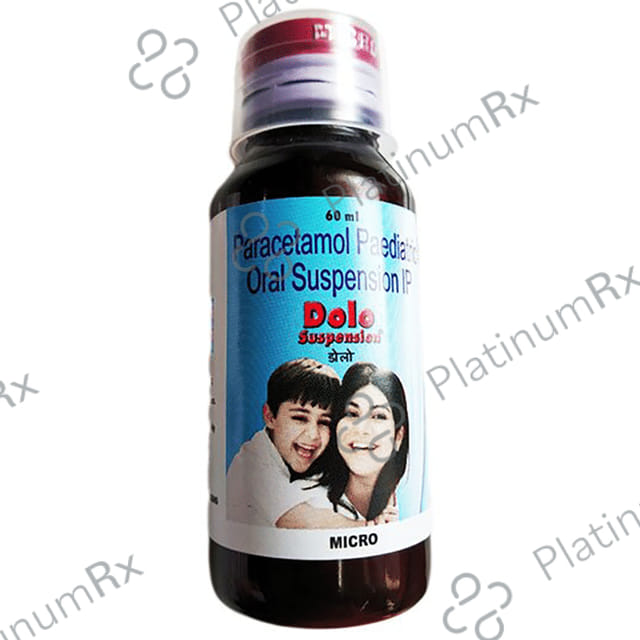
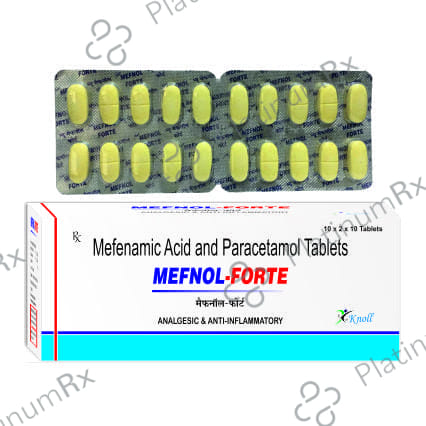
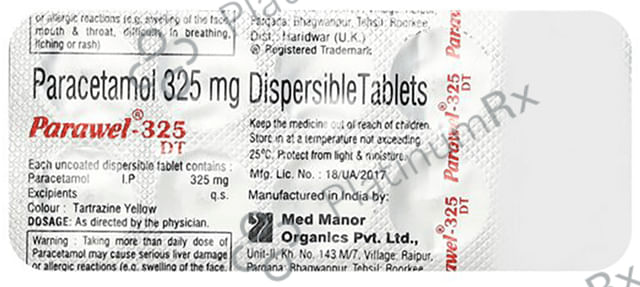
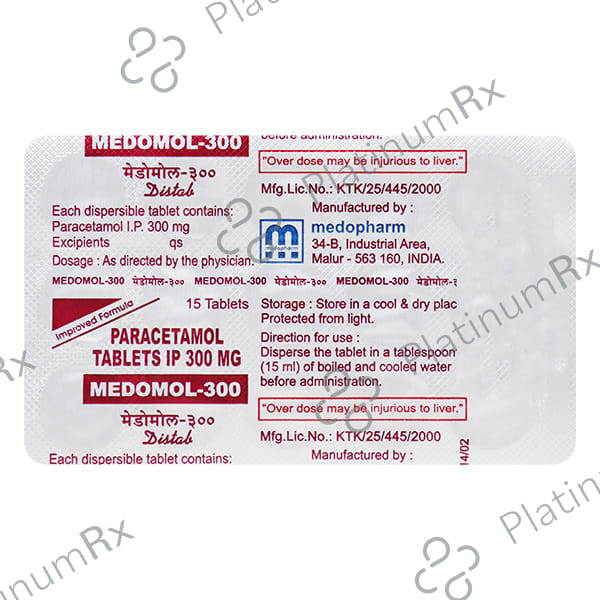
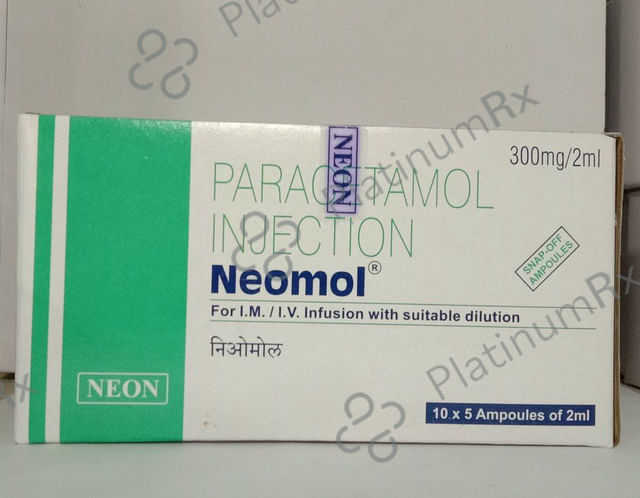
- Paracetamol (Acetaminophen) The most widely recommended fever reducer across nearly all age groups, including infants, children, and pregnant women (as advised by a doctor). It's generally considered the safest first choice, especially when the cause of fever isn't yet confirmed.
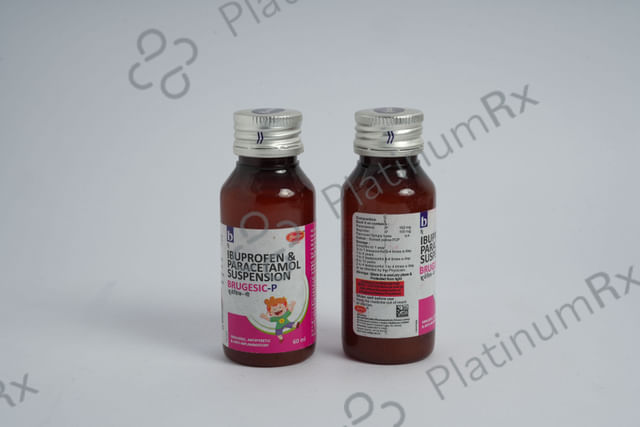
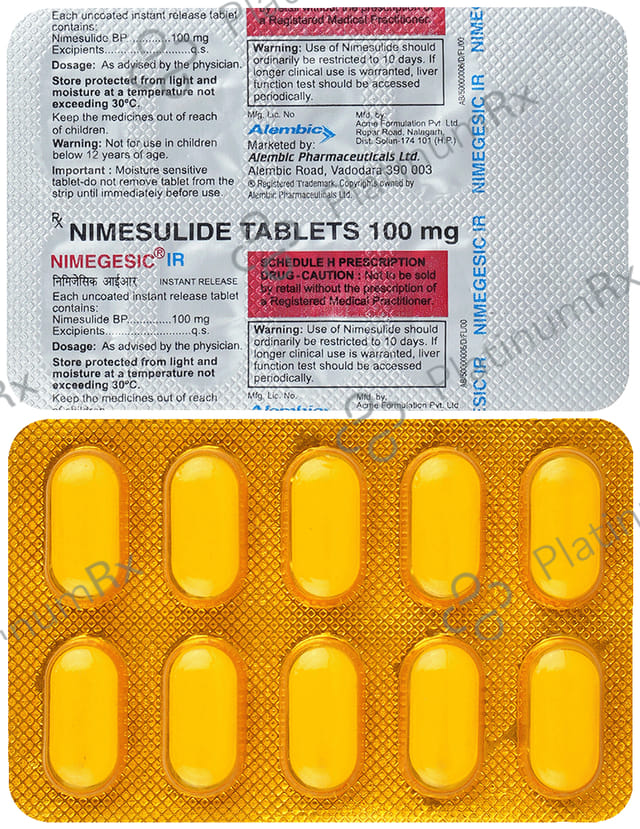
- NSAIDs (e.g., Ibuprofen) Also effective at reducing fever and easing associated aches, but used with more caution- avoided in dehydration, kidney concerns, and importantly, avoided if dengue is suspected, due to bleeding risk.
- Aspirin Not recommended for reducing fever in children or teenagers due to a rare but serious risk of Reye's syndrome. In adults, it's used far less commonly than paracetamol or ibuprofen for routine fever, and is likewise avoided in suspected dengue.
How Do Medicines for Fever Work?
Medicines used for fever work by acting on the body's temperature-regulating centre in the brain, essentially resetting it closer to normal. Paracetamol does this with a good safety profile across most people and ages. NSAIDs like ibuprofen work similarly but also reduce inflammation more broadly, which is useful for associated aches, though this same anti-inflammatory action affects blood clotting slightly part of why it's avoided in situations like dengue, where bleeding risk is already a concern.
How to Choose the Right Medicine for Fever
Choosing the right medicine depends on age and the likely cause, not just the product name. Key factors include:
- Age (infants and young children need particular care with dosing and medicine choice)
- Whether dengue or a bleeding-risk illness is possible paracetamol is preferred in this case
- Pregnancy status
- Existing kidney, liver, or stomach conditions
- Other medicines being taken, including other products that may already contain paracetamol
- Doctor's or pharmacist's advice
Dosage and How to Take Medicines for Fever
- Dosage for children should be based on their weight check with a doctor or pharmacist rather than estimating
- Do not exceed the maximum recommended daily dose of paracetamol, as too much can seriously harm the liver
- Check other medicines you're taking (including cold and flu combination products), since many already contain paracetamol combining them can lead to accidentally taking too much
- Space doses as directed, and don't take a dose earlier than recommended just because the fever hasn't fully settled
- Don't alternate paracetamol and ibuprofen on your own without a doctor's guidance this is sometimes done under medical direction, but isn't a routine home strategy
- Do not increase, decrease, or stop the medicine on your own without medical advice
Side Effects and Precautions
Common Side Effects
Paracetamol is generally well tolerated at recommended doses. NSAIDs like ibuprofen can cause stomach upset, and should be used cautiously in dehydration or existing kidney issues.
Precautions
- Never give aspirin to children or teenagers for feverthis is linked to Reye's syndrome, a rare but serious condition affecting the brain and liver
- If dengue is possible, use only paracetamol avoid ibuprofen, aspirin, and other NSAIDs, as these increase bleeding risk
- Known allergies to any medicine ingredient
- Pregnancy or breastfeeding paracetamol is generally preferred; check with a doctor before using NSAIDs
- Existing liver disease (relevant to paracetamol) or kidney disease (relevant to NSAIDs)
- Other medicines being taken
Buy Medicine for Fever Online from PlatinumRx
You can buy medicines for fever online from PlatinumRx. Browse medicines by their composition, compare available options and prices, and choose the medicine prescribed or recommended by your healthcare professional. PlatinumRx offers medicines from multiple brands and provides convenient online ordering and delivery.