Medicine for Conjunctivitis

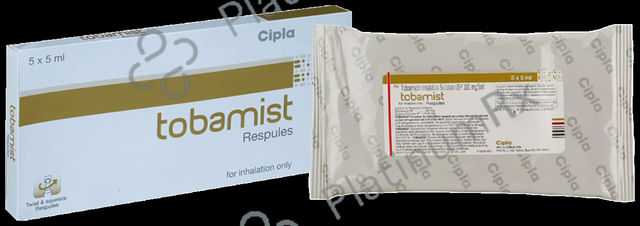
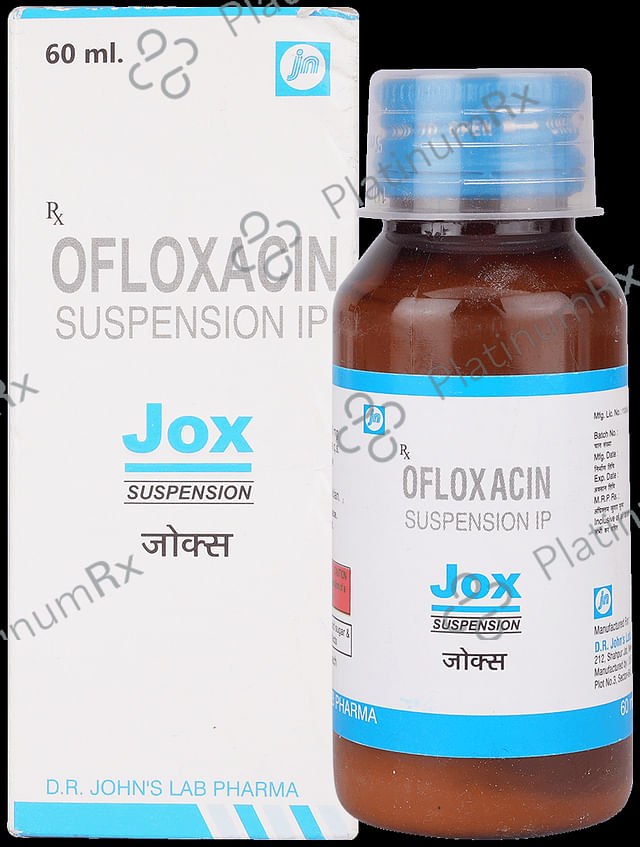


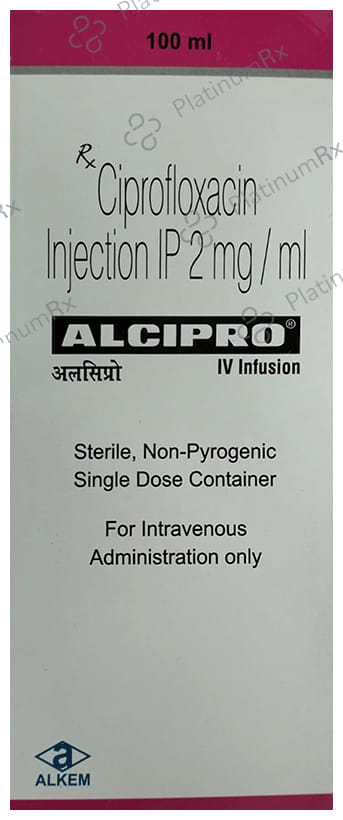
Types of Medicines Used for Conjunctivitis
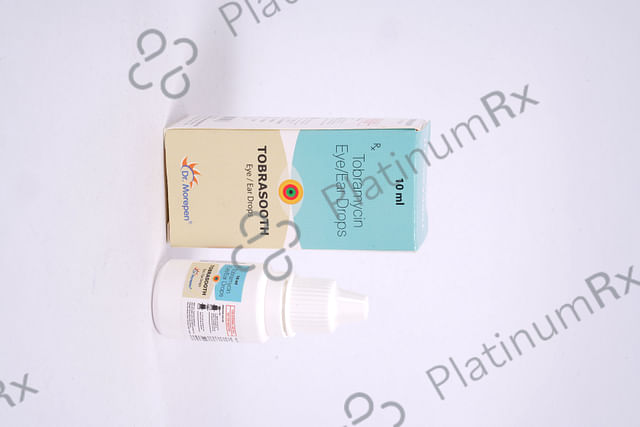
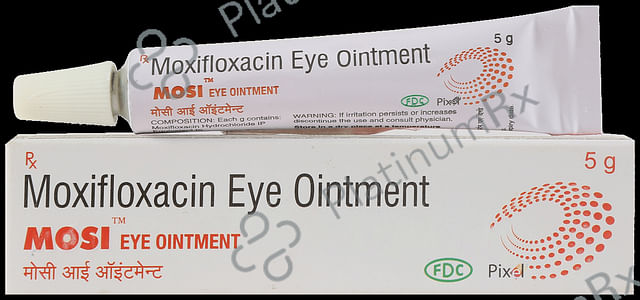
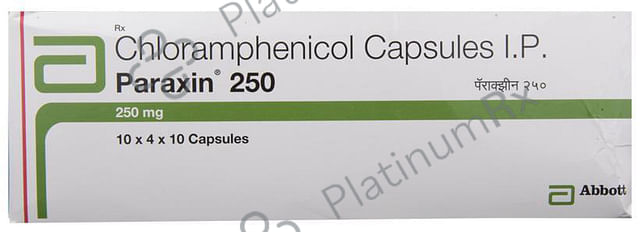
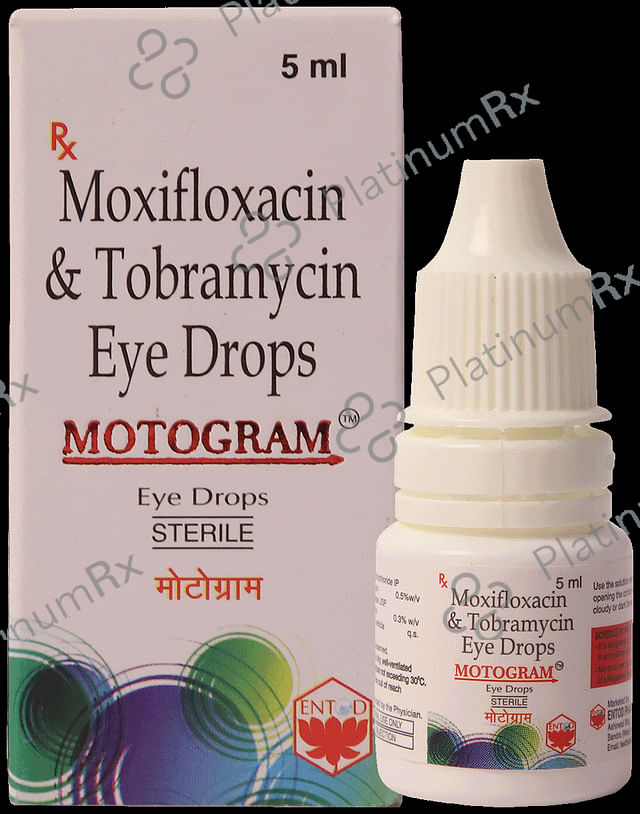
- Antibiotic eye drops/ointments- Used specifically for bacterial conjunctivitis, helping clear the infection directly.
- Antihistamine eye drops- Used for allergic conjunctivitis, helping reduce itching and the allergic response in the eye.
- Lubricating eye drops- Provide soothing relief for viral conjunctivitis, which doesn't respond to antibiotics.
- Decongestant eye drops- Help reduce redness temporarily, though they don't treat the underlying cause.
- Mast cell stabilizers- Used for chronic allergic conjunctivitis to help prevent the allergic reaction from occurring.
How Do Medicines for Conjunctivitis Work?
Medicines for conjunctivitis work in different ways depending on their active ingredients. Antibiotic drops kill or stop the growth of bacteria causing bacterial conjunctivitis, antihistamine drops block the allergic response responsible for itching and redness, and lubricating drops soothe the eye's surface while a viral infection runs its course.
Correctly identifying whether conjunctivitis is bacterial, viral, or allergic is important, since treatment differs for each.
How to Choose the Right Medicine for Conjunctivitis?
The right medicine depends on several personal factors, including:
- Whether the conjunctivitis is bacterial, viral, or allergic
- How severe your symptoms are
- Your age
- Any existing eye conditions or allergies
- Other medicines you're currently taking
- A doctor's assessment, since different types of conjunctivitis can look similar
Dosage & How to Take Medicines for Conjunctivitis
Dosage and application vary between different conjunctivitis medicines, so there's no single routine that fits everyone. Always follow the label instructions or your doctor's advice.
General points to keep in mind:
- Wash your hands before and after applying eye drops
- Avoid letting the dropper tip touch your eye or eyelashes
- If a dose is missed, apply it as soon as you remember, unless close to the next dose
- Complete the full course of antibiotic drops, even if symptoms improve early
- Avoid sharing towels, pillows, or eye makeup while infected to prevent spreading it
Side Effects & Precautions
Common Side Effects
Eye drops can cause mild stinging or temporary blurred vision right after application. Antihistamine drops may occasionally cause mild eye dryness.
Precautions
- Inform your doctor about any known allergies before starting a new eye medicine
- Avoid wearing contact lenses during an active infection unless advised otherwise
- Pregnant or breastfeeding women should check with a doctor before using certain eye medicines
- Some eye medicines can interact with other treatments — inform your doctor of everything you're using
- Seek medical advice if symptoms worsen, vision changes, or pain increases
- Practice good hand hygiene to avoid spreading contagious conjunctivitis to others
Buy Medicine for Conjunctivitis Online from PlatinumRx
You can buy medicines for conjunctivitis online from PlatinumRx. Browse medicines by their composition, compare available options and prices, and choose the medicine prescribed or recommended by your healthcare professional. PlatinumRx offers medicines from multiple brands and provides convenient online ordering and delivery.