Medicine for Common Cold
Types of Medicines Used for Common Cold
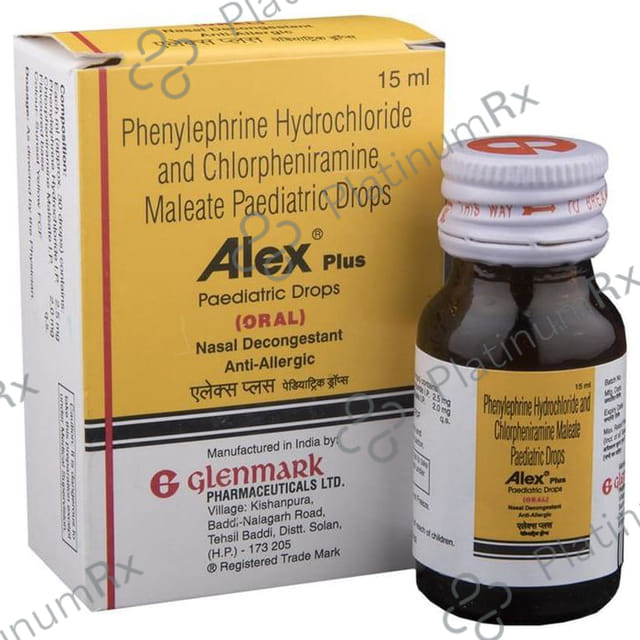
Antihistamines Help reduce sneezing and a runny nose by blocking the chemical (histamine) that contributes to these symptoms. Decongestants Help relieve a blocked or stuffy nose by narrowing swollen blood vessels in the nasal passages, making it easier to breathe. Antipyretics/Analgesics Medicines like paracetamol help reduce fever and ease body aches or headache that often come with a cold. Cough suppressants and expectorants Cough suppressants help calm a dry, irritating cough, while expectorants help loosen mucus in a chesty cough, making it easier to clear. Combination cold formulas These combine two or more of the above ingredients in a single product to address multiple symptoms together. Vitamin C and zinc supplements Sometimes used to support the immune system, though evidence for shortening cold duration is limited and they work best as a supportive measure.
How Do Medicines for Common Cold Work?
Medicines for the common cold work in different ways depending on their active ingredients. Some reduce swelling in the nose to ease congestion, some block chemicals that cause sneezing and a runny nose, and others reduce fever or loosen mucus to help you cough it out more easily. These medicines relieve symptoms, but they don't cure the underlying viral infection your body's immune system does that over time.
How to Choose the Right Medicine for Common Cold?
The right medicine depends on several personal factors, including:
- Which symptoms bother you most (blocked nose, sore throat, fever, cough)
- Your age
- Any existing medical conditions, like high blood pressure or heart disease
- Other medicines you're currently taking
- A doctor's or pharmacist's advice, especially for children, pregnant women, or people with existing health conditions
- Whether you need daytime (non-drowsy) or nighttime relief
Dosage & How to Take Medicines for Common Cold
Dosage varies between different cold medicines and combination products, so there's no single dose that fits everyone. Always follow the label instructions or your doctor's/pharmacist's advice.
General points to keep in mind:
- Don't combine multiple cold products with overlapping ingredients (like two products both containing paracetamol), as this can lead to accidental overdose
- Some decongestants aren't suitable for long-term or nighttime use check the label
- If a dose is missed, simply take the next one as scheduled; don't double up
- If symptoms last more than 7-10 days or worsen, consult a doctor rather than continuing self-medication
- Stay well hydrated and rested alongside any medicines you take
Side Effects & Precautions
Common Side Effects
Antihistamines can cause drowsiness, dry mouth, or mild dizziness. Decongestants may cause a fast heartbeat or difficulty sleeping. Paracetamol is generally well tolerated when taken as directed.
Precautions
- Inform your pharmacist about any known allergies before choosing a cold medicine
- People with high blood pressure or heart disease should check with a doctor before using decongestants
- Pregnant or breastfeeding women should check with a doctor before taking any cold medicine
- Avoid combining cold medicines with alcohol or sedatives, as this can increase drowsiness
- Children usually need different formulations or doses always check age-appropriate labeling or ask a doctor
- Avoid driving or operating machinery if your medicine causes drowsiness
Buy Medicine for Common Cold Online from PlatinumRx
You can buy medicines for the common cold online from PlatinumRx. Browse medicines by their composition, compare available options and prices, and choose the medicine suited to your symptoms. PlatinumRx offers medicines from multiple brands and provides convenient online ordering and delivery.