Medicine for Blood Clots
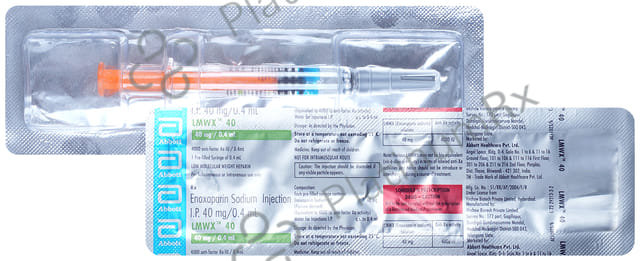
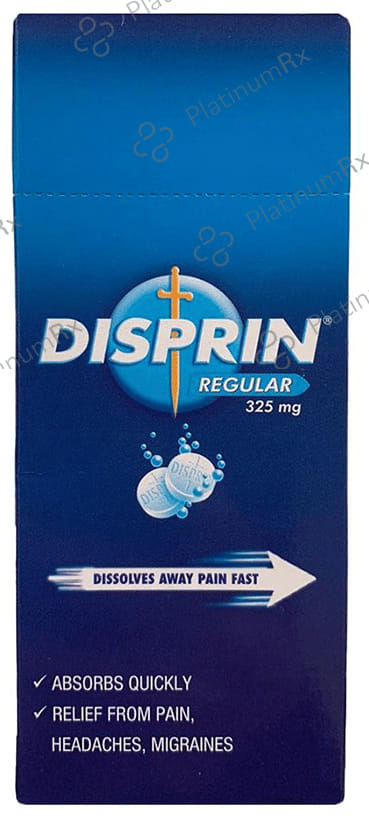
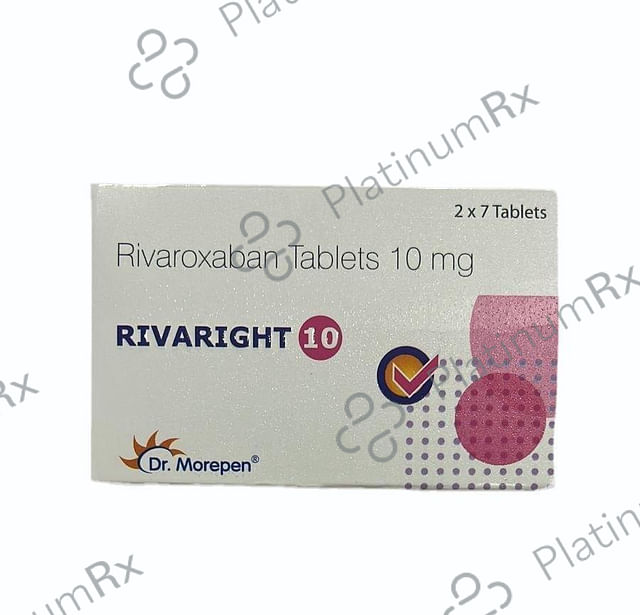
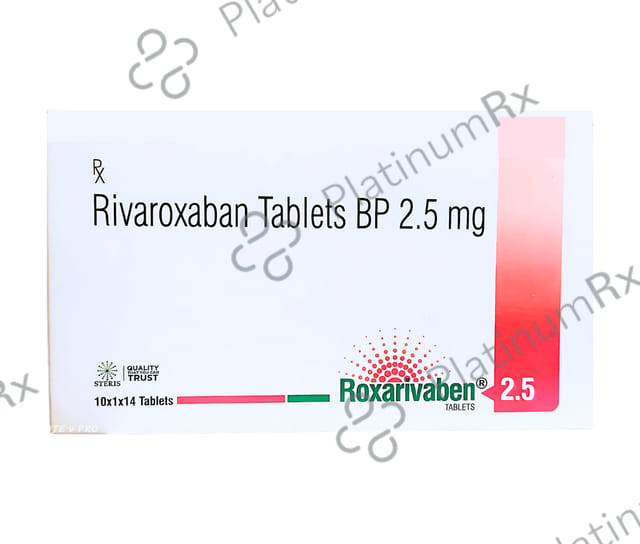
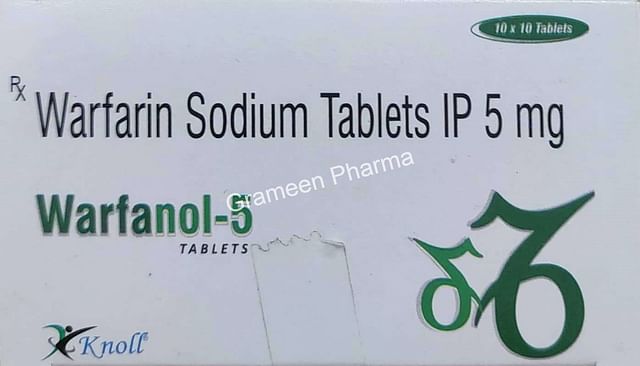
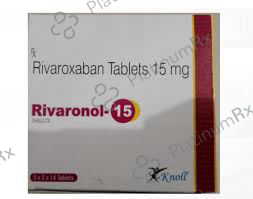
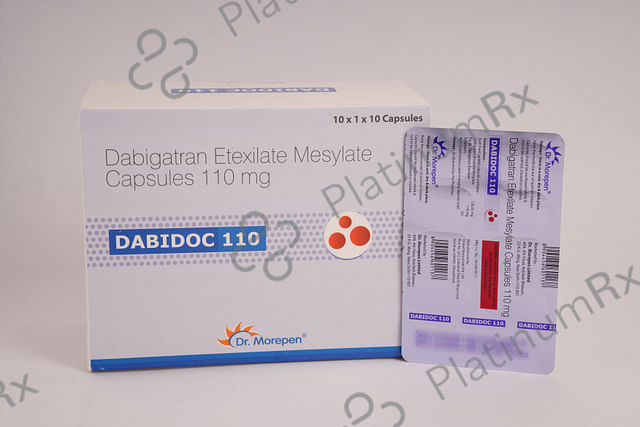
Types of Medicines Used for Blood Clots
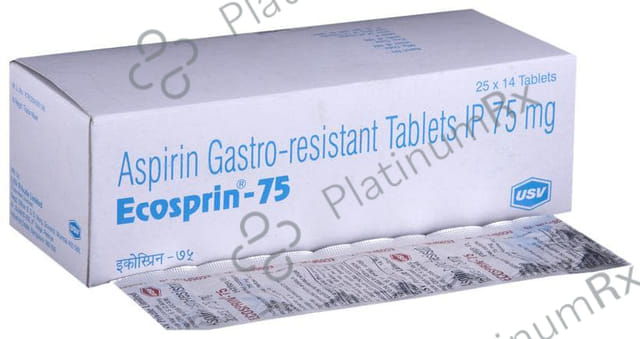
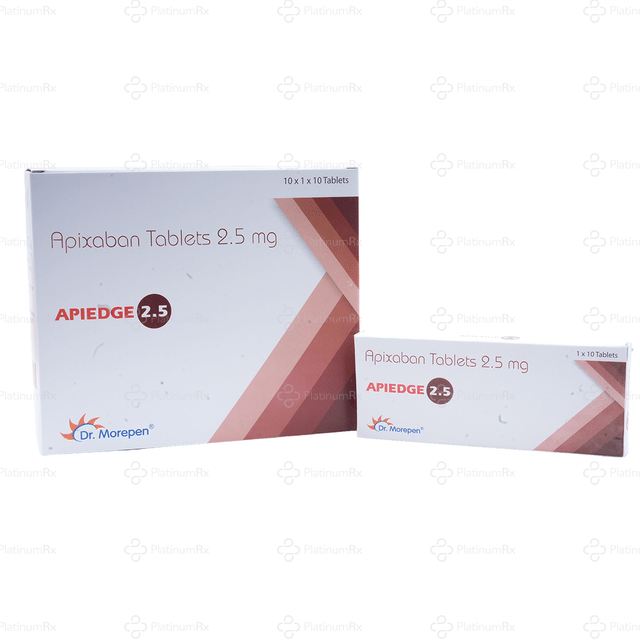
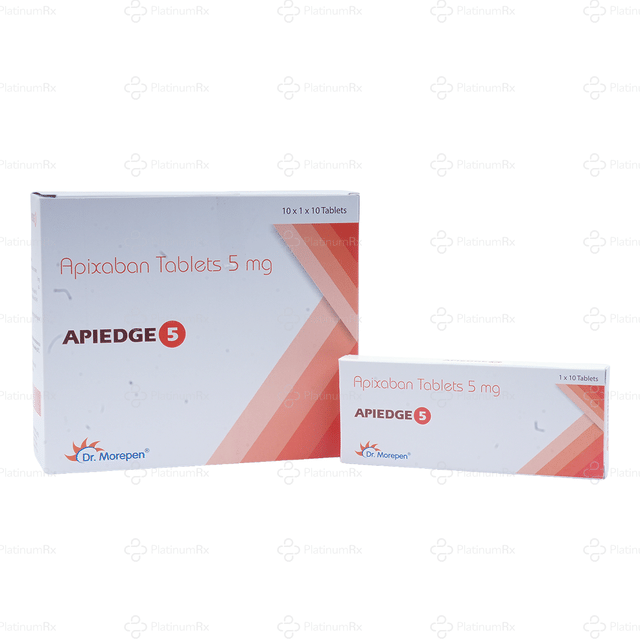
- Anticoagulants (blood thinners) Help prevent existing clots from growing and reduce the risk of new clots forming, without dissolving existing clots directly.
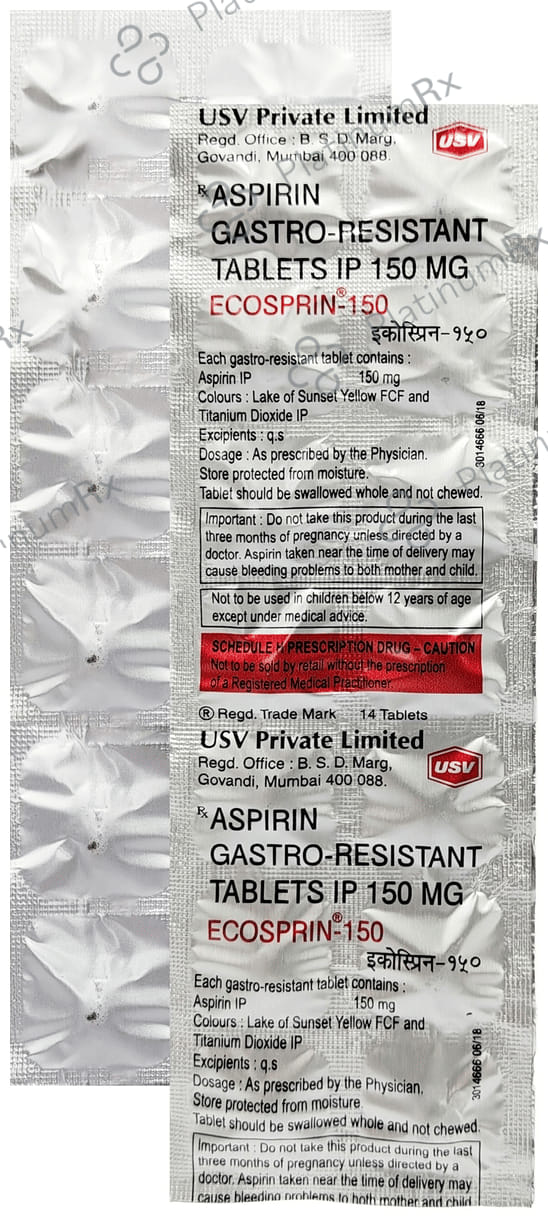
- Antiplatelet medicines Help prevent platelets from clumping together, commonly used for arterial clot prevention, such as after a heart attack.
- Thrombolytics (clot busters) Used in emergency situations to rapidly dissolve a dangerous clot, given under close medical supervision.
- Newer oral anticoagulants Provide effective clot prevention and treatment with more predictable dosing than some older blood thinners.
How Do Medicines for Blood Clots Work?
Medicines for blood clots work in different ways depending on their active ingredients. Anticoagulants interfere with the blood's clotting process to prevent clots from growing or new ones forming, antiplatelet medicines stop blood cells called platelets from sticking together, and thrombolytics actively break down existing clots in emergency situations. Because clots can be dangerous, treatment is tailored closely to the type and location of the clot.
How to Choose the Right Medicine for Blood Clots?
The right medicine depends on several personal factors, including:
- The type and location of the blood clot
- Your overall risk of bleeding
- Other health conditions you may have
- Other medicines you're currently taking
- Your doctor's assessment and prescription
- Whether you need short-term or long-term treatment
Dosage & How to Take Medicines for Blood Clots
Dosage varies widely between different blood clot medicines, so there's no single dose that fits everyone. Always follow what your doctor has prescribed.
General points to keep in mind:
- Take your medicine at the same time each day for consistency
- Some blood thinners require regular blood tests to monitor their effect
- If you miss a dose, don't double up check with your doctor or pharmacist on what to do
- Never stop blood clot medicines suddenly without medical advice, as this can increase clotting risk
- Inform any healthcare provider that you're on blood thinners before procedures like surgery or dental work
Side Effects & Precautions
Common Side Effects
The main risk with blood clot medicines is increased bleeding, which can range from easy bruising to more significant bleeding in rare cases.
Precautions
- Inform your doctor about any known allergies before starting a new medicine
- Let your doctor know about liver or kidney conditions, as some blood clot medicines need dose adjustments
- Pregnant or breastfeeding women should only use blood clot medicines advised by their doctor
- Some blood clot medicines can interact with other drugs, including certain painkillers and supplements
- Watch for signs of unusual bleeding or bruising and report them to your doctor promptly
- Carry information about your medicine with you in case of emergencies
Buy Medicine for Blood Clots Online from PlatinumRx
You can buy medicines for blood clots online from PlatinumRx. Browse medicines by their composition, compare available options and prices, and choose the medicine prescribed or recommended by your healthcare professional. PlatinumRx offers medicines from multiple brands and provides convenient online ordering and delivery.