Medicine for Bleeding
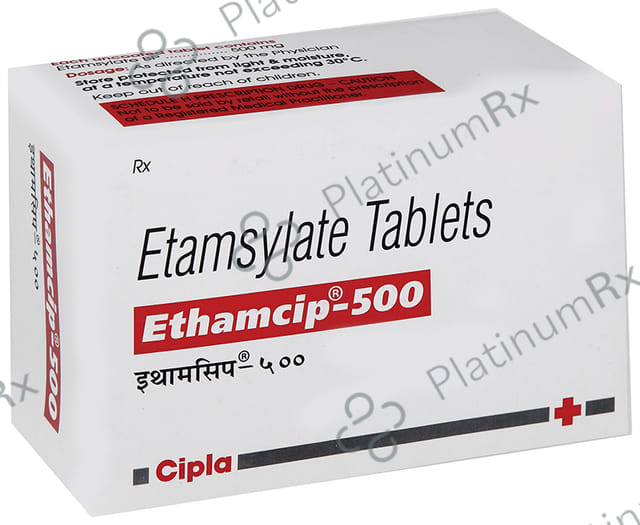
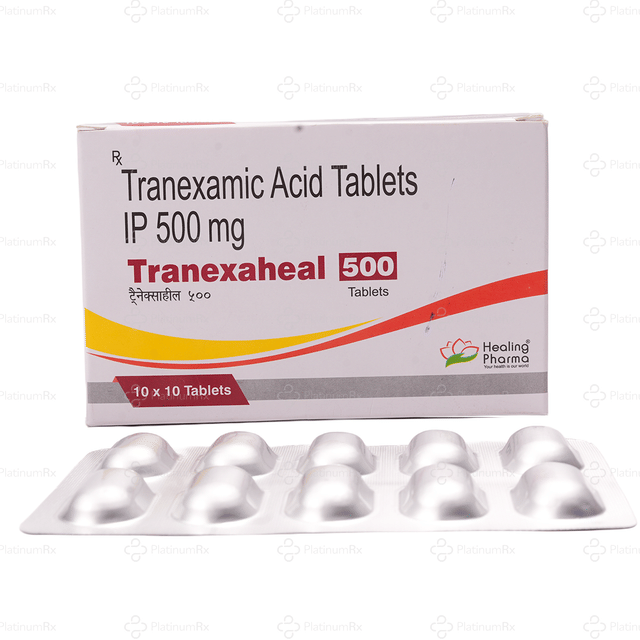
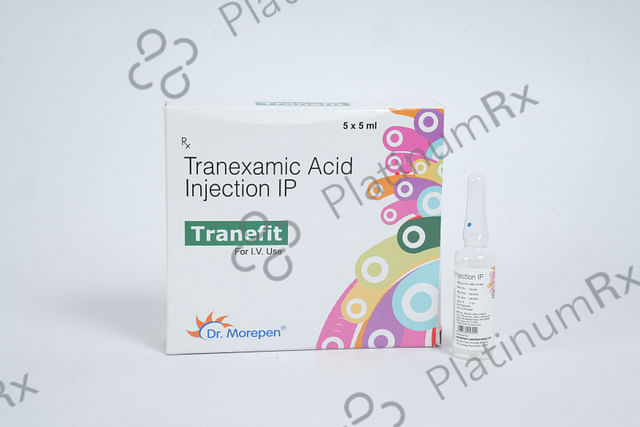
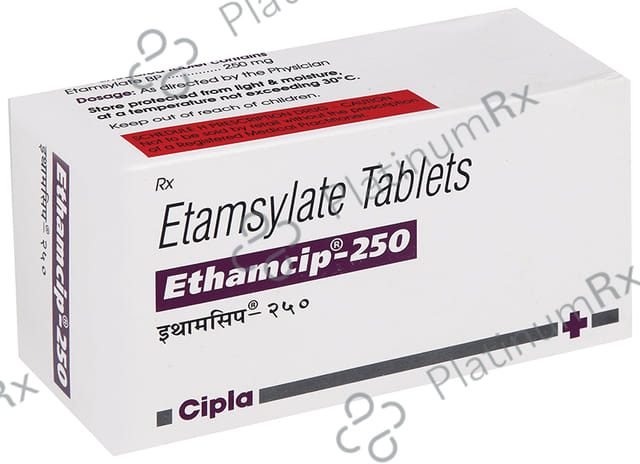
Types of Medicines Used for Bleeding
- Topical hemostatic agents Applied directly to minor cuts or wounds to help speed up clotting and stop bleeding.
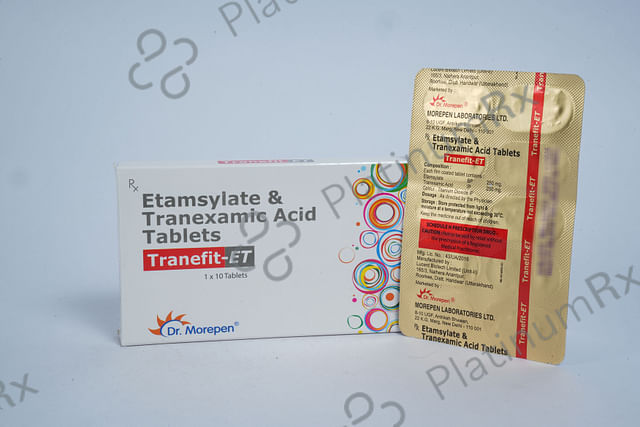
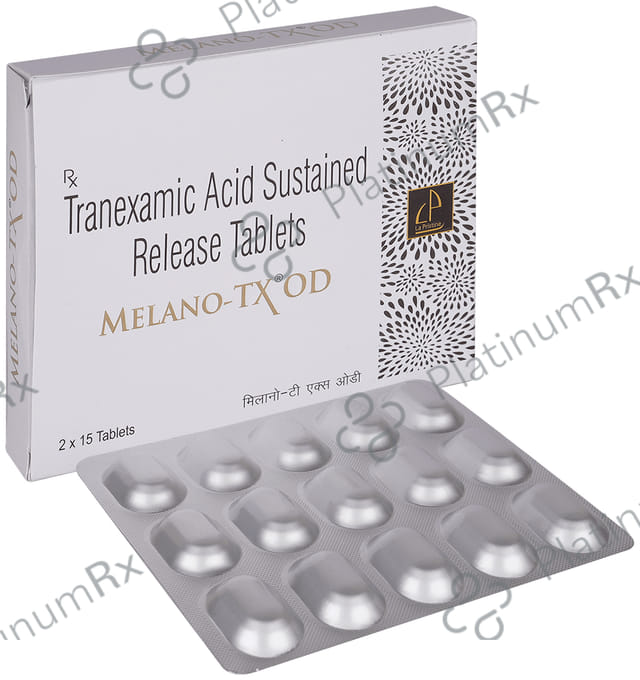
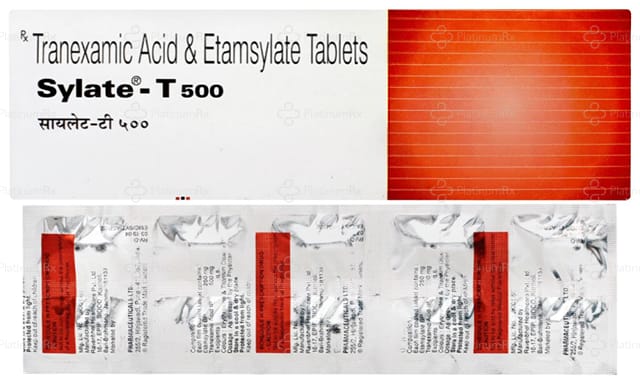
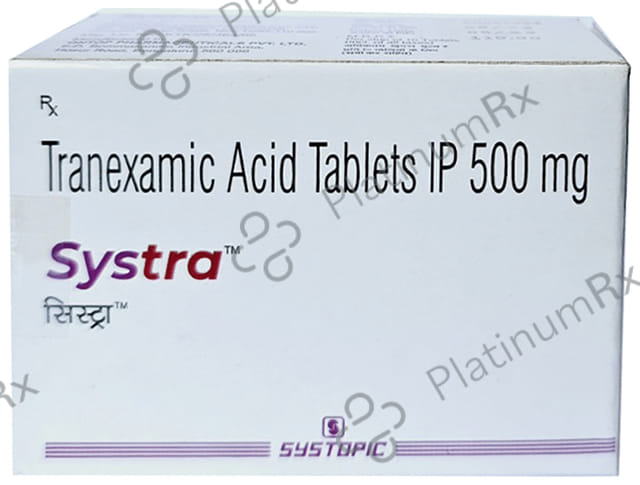
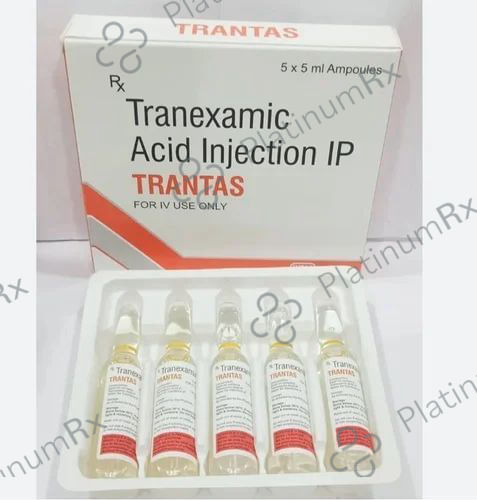
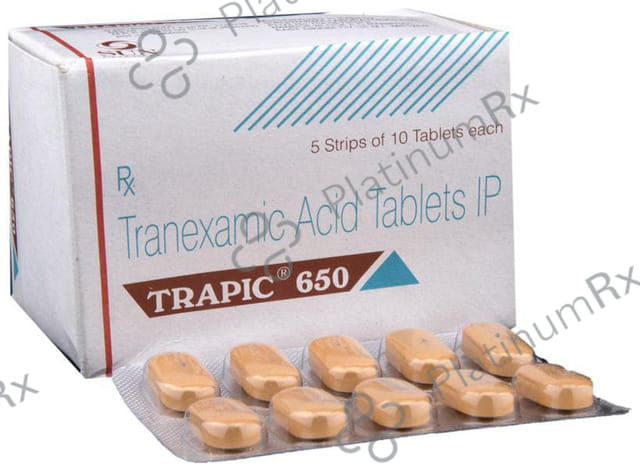
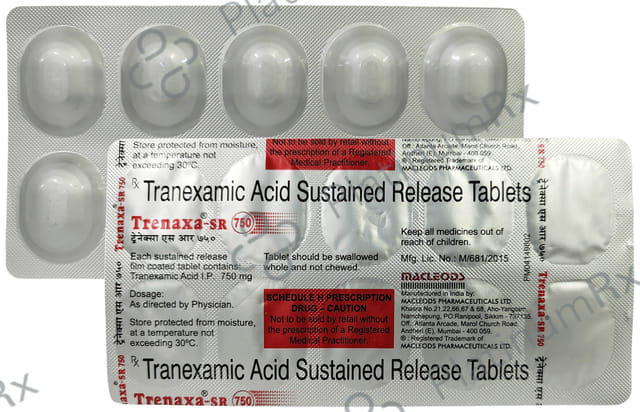
- Antifibrinolytic medicines (e.g., tranexamic acid) Used for heavier bleeding, such as heavy periods or bleeding after certain procedures, by helping stabilize blood clots.
- Vitamin K Supports normal blood clotting function, particularly relevant for people with certain clotting deficiencies.
- Iron supplements Often used alongside bleeding treatment to help address or prevent anemia caused by ongoing blood loss.
How Do Medicines for Bleeding Work?
Medicines for bleeding work in different ways depending on the cause and location. Topical hemostatic agents work directly at the site of a wound to promote faster clot formation, while oral antifibrinolytic medicines work throughout the body to help stabilize blood clots and reduce excessive bleeding, such as during heavy periods. Addressing the underlying cause of bleeding, alongside symptom-focused medicine, is important for effective long-term management.
How to Choose the Right Medicine for Bleeding?
The right medicine depends on several personal factors, including:
• The location and cause of the bleeding
• How severe or prolonged the bleeding is
• Any underlying health conditions affecting clotting
• Other medicines you're currently taking, including blood thinners
• A doctor's assessment, especially for recurring or heavy bleeding
Dosage & How to Take Medicines for Bleeding
Dosage varies between different bleeding-related medicines, so there's no single dose that fits everyone. Always follow the label instructions or your doctor's advice.
General points to keep in mind:
• Apply topical hemostatic products directly to the wound as directed
• Take oral medicines like tranexamic acid at the prescribed times, often during heavy bleeding days
• If a dose is missed, take the next one as scheduled rather than doubling up
• Apply firm, direct pressure to minor wounds alongside topical treatment
• Seek medical care for bleeding that doesn't stop with basic first aid measures
Side Effects & Precautions
Common Side Effects
Topical hemostatic agents are generally well tolerated. Oral antifibrinolytic medicines can occasionally cause nausea or stomach upset.
Precautions
• Inform your pharmacist about any known allergies before choosing a bleeding-related medicine
• People with a history of blood clots should check with a doctor before taking antifibrinolytic medicines
• Pregnant or breastfeeding women should check with a doctor before taking bleeding-related medicines
• Seek immediate medical care for heavy, uncontrolled, or unexplained bleeding
• Inform your doctor about all medicines you're taking, including blood thinners, before starting a new treatment
• Persistent or recurring bleeding should be evaluated to identify and treat the underlying cause
Buy Medicine for Bleeding Online from PlatinumRx
You can buy medicines for bleeding-related concerns online from PlatinumRx. Browse medicines by their composition, compare available options and prices, and choose the medicine suited to your needs. PlatinumRx offers medicines from multiple brands and provides convenient online ordering and delivery.