Medicine for Acne
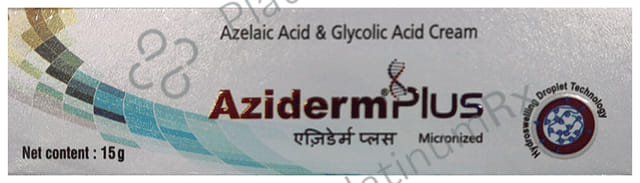
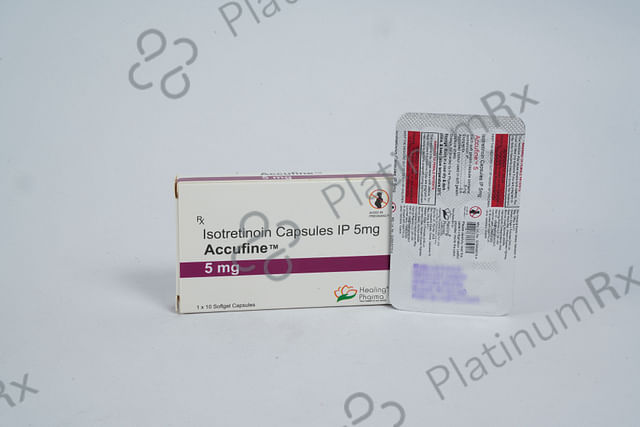
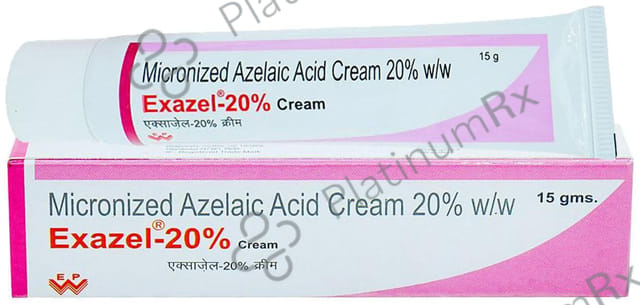
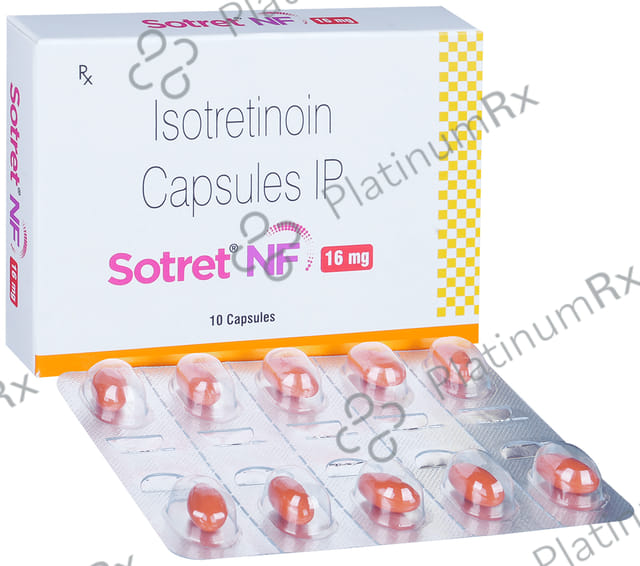
Types of Medicines Used for Acne
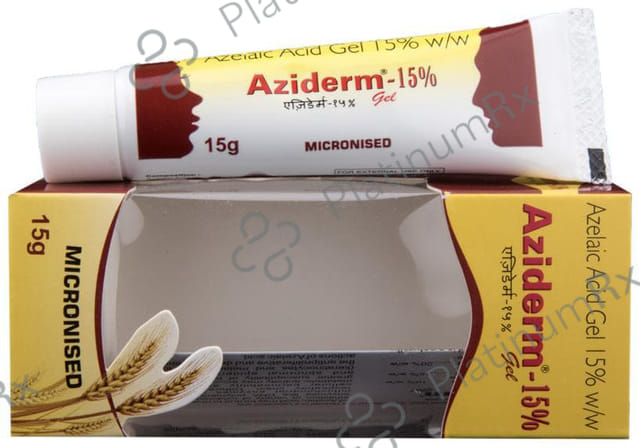
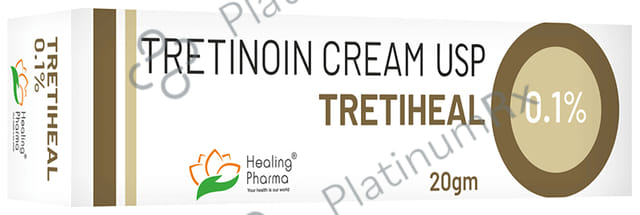
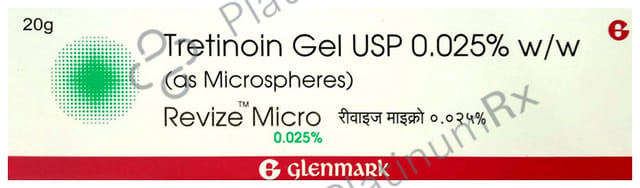
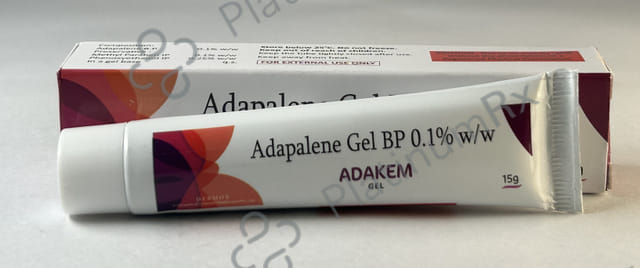
- Topical Retinoids (e.g., Adapalene, Tretinoin)
These help unclog pores and speed up skin cell turnover, preventing new breakouts from forming. Commonly used for mild to moderate acne.
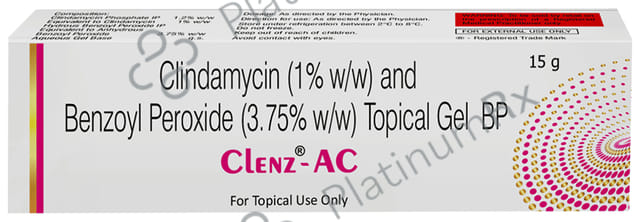
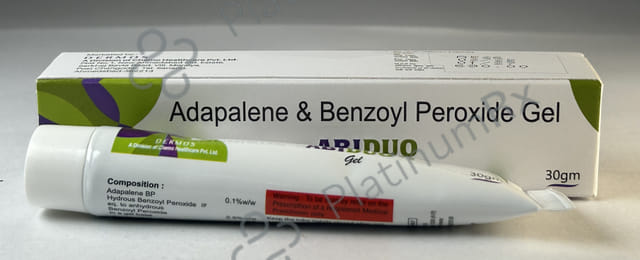
- Benzoyl Peroxide
Works by killing acne-causing bacteria on the skin and reducing excess oil. Available in various strengths as creams, gels, or face washes.
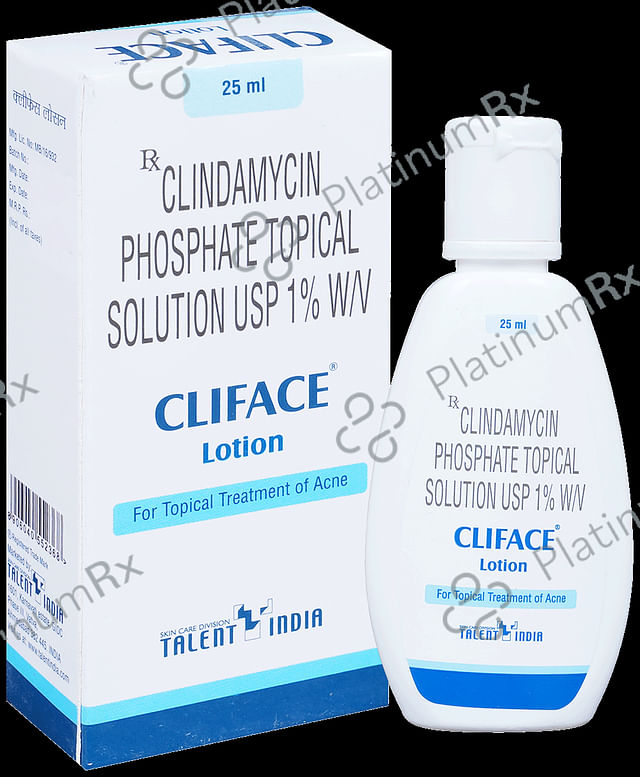
- Topical and Oral Antibiotics (e.g., Clindamycin, Doxycycline)
Used to reduce bacteria and calm inflammation, especially for moderate to inflammatory acne. Oral antibiotics are typically used for a limited course.
- Salicylic Acid
An exfoliant that helps clear clogged pores and reduce blackheads and whiteheads. Often found in cleansers and spot treatments.
- Oral Isotretinoin
Reserved for severe, cystic, or scarring acne that hasn't responded to other treatments. Requires close medical supervision due to its potency.
- Hormonal Treatments
For acne linked to hormonal changes, certain hormonal medicines may be prescribed, typically for adult women with recurring hormonal breakouts.
How Do Medicines for Acne Work?
Medicines used for acne work in different ways depending on their active ingredients. Some medicines speed up skin cell turnover to unclog pores, some target and reduce acne-causing bacteria, and others reduce oil production at the source. Because skin cell turnover and healing take time, most acne medicines show visible results only after several weeks of consistent use.
How to Choose the Right Medicine for Acne?
Choosing the right medicine for acne depends on several individual factors, including:
- Severity of acne (mild, moderate, or severe/cystic)
- Skin type (oily, dry, or sensitive)
- Whether the acne is hormonal in nature
- Age
- Other skincare products or medicines being used
- Doctor's or dermatologist's prescription or recommendation
Dosage and How to Take Medicines for Acne
- Dosage and frequency depend on the specific medicine and severity of acne
- Topical treatments often start with lower frequency (e.g., alternate nights) to help the skin build tolerance
- Oral medicines should be taken exactly as prescribed, for the full recommended duration
- If a dose or application is missed, follow your doctor's guidance rather than doubling up
- Do not combine multiple active acne treatments without medical advice, as this can increase irritation
- Do not stop a prescribed course, especially oral isotretinoin, without consulting your doctor
Side Effects and Precautions
Common Side Effects
Topical treatments may cause dryness, redness, or peeling, especially when starting out. Oral antibiotics may cause stomach upset and increased sun sensitivity. Isotretinoin has more significant side effects and requires close monitoring.
Precautions
- Patch-test new topical treatments before regular use
- Many acne medicines increase sensitivity to sunlight — use sunscreen and limit sun exposure
- Avoid harsh scrubbing or additional irritants while on treatment
- Isotretinoin is not safe during pregnancy and requires strict medical supervision
- Inform your doctor of any other skin products or medicines being used
- Share your medical history, especially for hormonal or oral treatments
Buy Medicine for Acne Online from PlatinumRx
You can buy medicines for acne online from PlatinumRx. Browse medicines by their composition, compare available options and prices, and choose the medicine prescribed or recommended by your healthcare professional. PlatinumRx offers medicines from multiple brands and provides convenient online ordering and delivery.