Medicine for Acidity

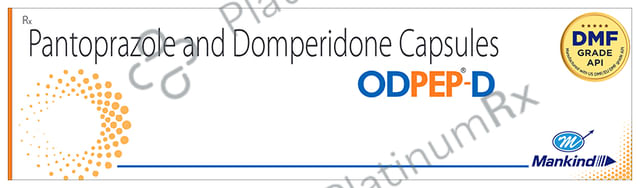
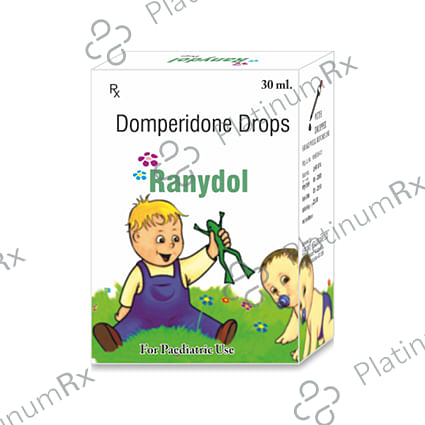
Types of Medicines Used for Acidity
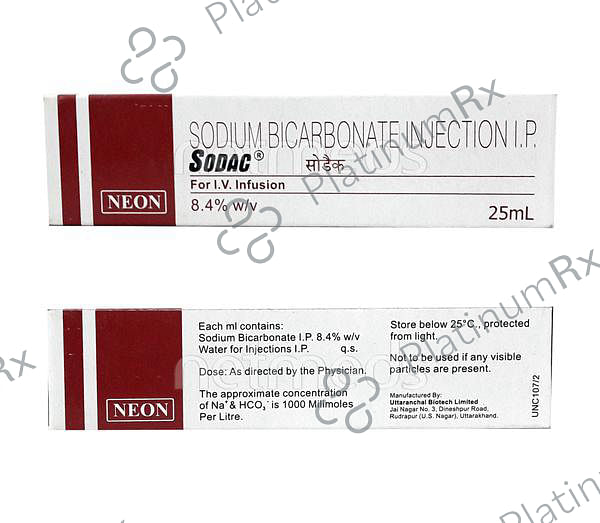
- Antacids These neutralise the acid already present in your stomach, giving quick but short-lived relief. They're a good choice for occasional acidity after a heavy or spicy meal.
- H2 Blockers (Histamine-2 Blockers) These reduce how much acid your stomach produces. They act a little slower than antacids but the relief lasts longer, making them useful for recurring symptoms.
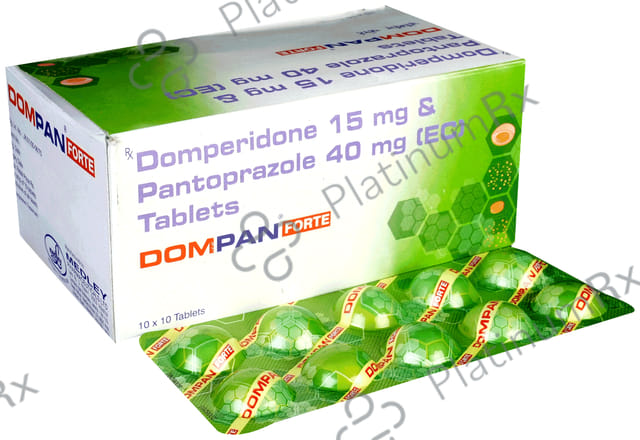
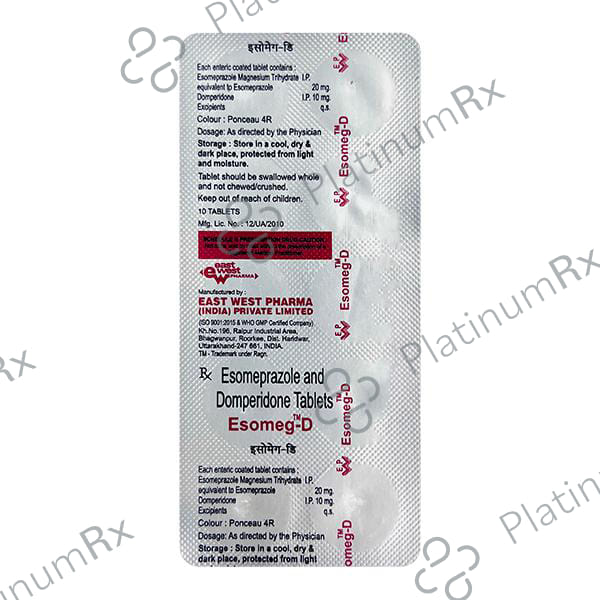
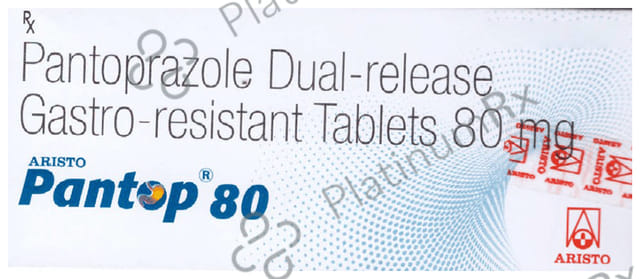
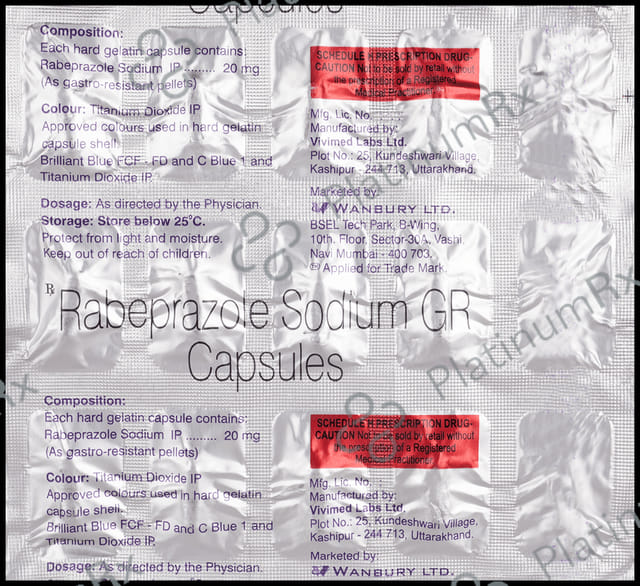
- Proton Pump Inhibitors (PPIs) These are stronger medicines that block acid production at the source. They're commonly used for frequent or more severe acidity and chronic acid reflux (GERD).
- Antacid + Anti-gas Combinations When acidity comes with bloating or trapped gas, combination medicines that pair an antacid with an anti-gas ingredient can ease both symptoms together.
- Alginate-Based Medicines These form a protective, floating barrier over the stomach contents, physically reducing acid from splashing back into the food pipe.
How Do Medicines for Acidity Work?
Medicines used for acidity work in different ways depending on their active ingredients. Antacids act fast by directly neutralising acid already in the stomach. H2 blockers and PPIs work further upstream they reduce the amount of acid your stomach makes in the first place, with PPIs being the strongest and longest-lasting. Alginate-based medicines take a different approach, forming a physical barrier to stop acid from rising into the food pipe.
How to Choose the Right Medicine for Acidity
Choosing the right medicine depends on your specific situation, not just the product name. Key factors include:
- The underlying cause (occasional overeating vs. frequent reflux/GERD)
- Severity and frequency of symptoms
- Active ingredient / salt
- Dosage and strength
- Age
- Medical history (e.g., kidney, liver, or bone health conditions)
- Other medicines being taken
- Doctor's prescription or recommendation
Dosage and How to Take Medicines for Acidity
- Dosage depends on the specific medicine and your doctor's advice
- Always follow the prescribed dose and duration
- Some medicines (like certain PPIs) work best on an empty stomach before a meal; others can be taken as symptoms occur check the label or ask your pharmacist
- If you miss a dose, take it as soon as you remember, unless it's close to your next dose don't double up
- Do not increase, decrease, or stop the medicine on your own without medical advice
- Avoid using OTC acidity medicines continuously for more than a couple of weeks without consulting a doctor
Side Effects and Precautions
Common Side Effects
Some medicines used for acidity may cause mild constipation or diarrhoea, headache, nausea, or bloating. Long-term use of stronger acid-reducing medicines may affect absorption of certain nutrients. Most side effects are mild and settle on their own.
Precautions
- Known allergies to any medicine ingredient
- Existing conditions such as kidney, liver, or bone-related conditions
- Pregnancy or breastfeeding check with a doctor first
- Possible interactions with other medicines (some acidity medicines affect how other drugs are absorbed)
- Extra caution for children and elderly patients
- Seek medical help if symptoms persist beyond 2 weeks, worsen, or come with difficulty swallowing, unexplained weight loss, or chest pain
Buy Medicine for Acidity Online from PlatinumRx
You can buy medicines for acidity online from PlatinumRx. Browse medicines by their composition, compare available options and prices, and choose the medicine prescribed or recommended by your healthcare professional. PlatinumRx offers medicines from multiple brands and provides convenient online ordering and delivery.