Winter Medicine Guide: Cold, Flu and Cough Care
Last Updated: November 25, 2026

Written by:
Shaik Ashraf Ali, B.pharmacy
Reviewed by:
Dr. Jay Faldu, MBBSPublished date: 25-Nov-2026
Summary
This winter medicine guide covers the medicines families reach for when someone has a cold, flu, cough, sore throat or fever. Most of these illnesses are viral and settle with rest, fluids and simple symptom relief. Antibiotics do not help a cold or flu, and in India they are prescription-only. Older adults, pregnant women, young children and people with asthma may need a doctor sooner.
Key Takeaways
- What it is: A guide to the medicines used for cold, flu, cough, sore throat and fever.
- Active ingredients: Paracetamol, ibuprofen, decongestants and cough syrups, used one at a time.
- Used for: Easing symptoms while a viral illness settles.
- Not meant for: Antibiotics for colds or flu; vitamin C and garlic to prevent colds.
- Prescription: Antibiotics need a doctor's prescription in India.
- How to take: Follow the pack; never go over the daily limit.
- Common side effects: Stomach upset from ibuprofen; dry mouth and jitteriness from decongestants.
What Are Winter Medicines?
Winter medicines are not one product. They are the medicines used for colds, flu, cough, sore throat and fever, and most only ease symptoms while your body fights the virus; they do not kill it.
Vaccines work before you get ill: the flu vaccine helps prevent flu. There is little evidence that vitamin C, echinacea or garlic prevent colds or help you get better faster.
Buy Winter Essential Medicines Online at Best Price



Common Winter Illnesses in India
Colds are more common in winter and spring, but you can get them at any time. In tropical regions, including much of India, flu can also appear throughout the year. Cold and flu are compared below; the other illnesses you are likely to meet are:
- Sore throat: Usually viral; most improve within a week.
- Cough: Most follow a cold or flu and clear within 3 to 4 weeks.
- Fever: 38°C or more; a sign of infection, not an illness on its own.
Cold vs Flu: Which One Is It?
Cold and flu feel similar, but flu is usually more severe.
| Feature | Cold | Flu |
|---|---|---|
| How it starts | Slowly, over 2 to 3 days | Quickly, within a few hours |
| Main symptoms | Blocked nose, sneezing, sore throat | High fever, body aches, dry cough |
| Usual recovery | 1 to 2 weeks | About a week; the cough may last longer |
Flu can be serious for older adults, pregnant women, children under 5 and people with long-term conditions. See a doctor early.
Winter Medicine Guide: Common Medicines and What They Do
A pharmacist can advise on the over-the-counter options below. Antibiotics are prescription-only, and the flu vaccine is given by a healthcare professional.
| Medicine or group | What it helps | Key safety point |
|---|---|---|
| Paracetamol | Fever and body aches | Never with another product that contains paracetamol |
| Ibuprofen | Fever, aches and sore throat pain | Ask a doctor first if you have a stomach ulcer or a kidney, liver or heart problem |
| Decongestant nose spray or drops | A blocked nose | Not for more than a week, or for children under 6 |
| Saline nose drops or spray | A blocked nose | A simple option for a blocked nose |
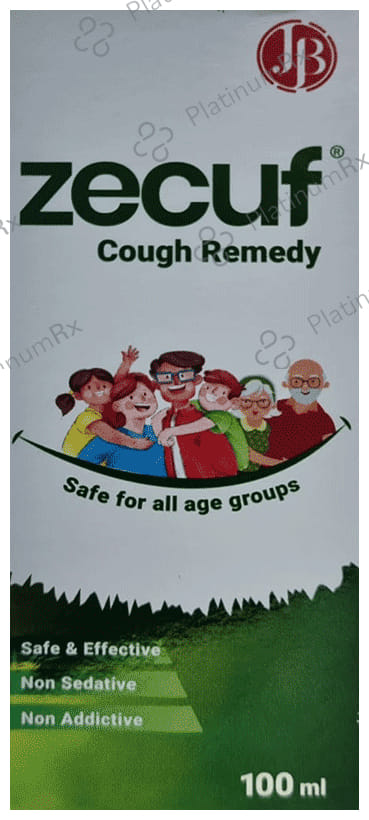
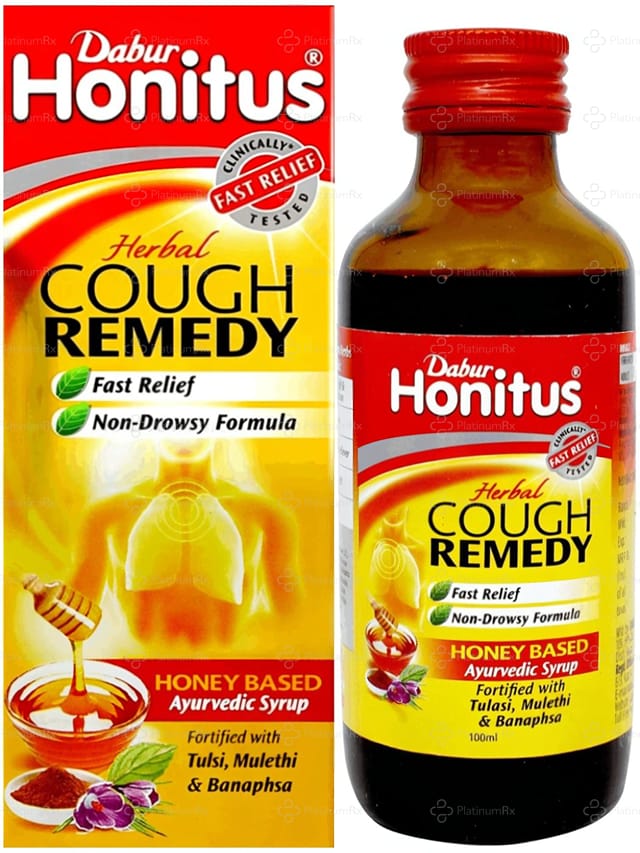
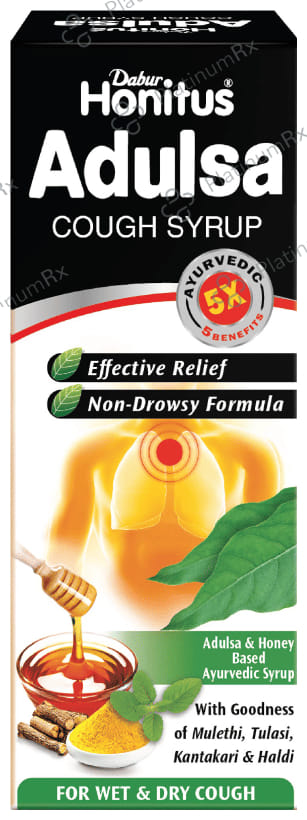
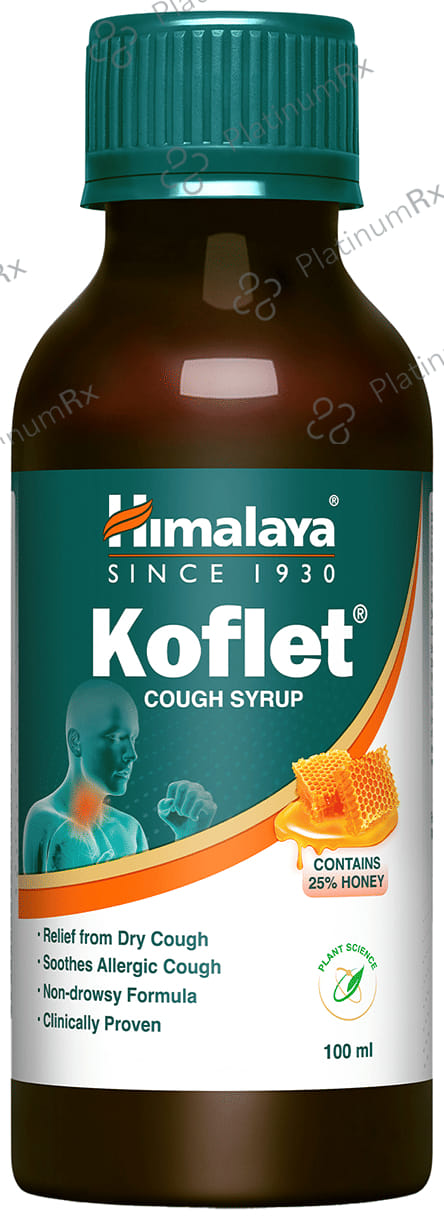
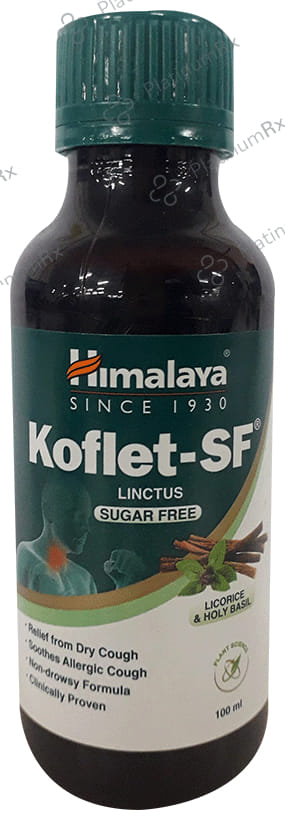
| Cough syrup | May help you cough less | It will not stop the cough; some types are not for children under 12 |
| Honey and lemon drink | Soothes a cough or sore throat | Not for babies under 12 months; the evidence is limited |
| Antibiotics | Bacterial infections only | Only if a doctor prescribes it; never share them |
| Flu vaccine | Helps prevent flu | Recommended every year for people at higher risk |
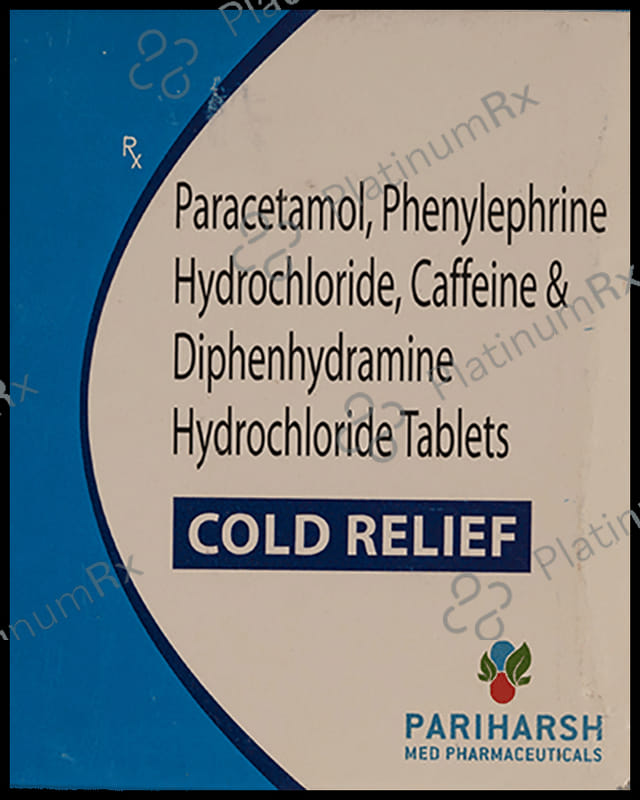
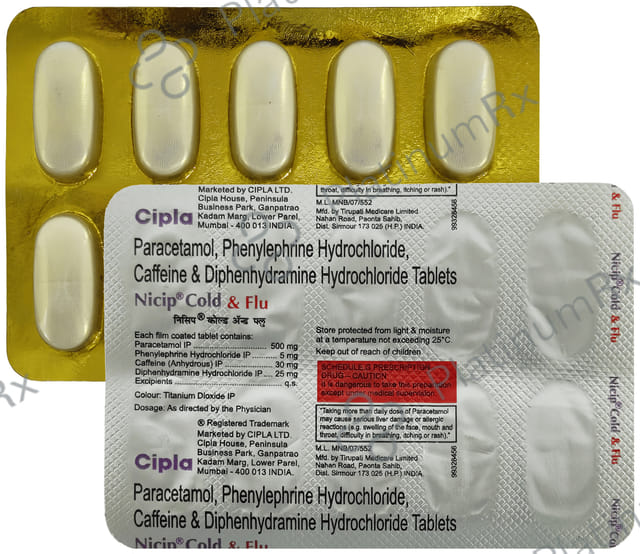
Many cold and flu products mix more than one medicine, so read the label before you take a second product.
Cold and Flu Medicine Interactions and Side Effects
Most people can use these medicines safely. Avoid these combinations.
| Medicine | What can happen |
|---|---|
| Ibuprofen with a blood thinner such as warfarin | Higher risk of stomach bleeding |
| Ibuprofen with aspirin or another NSAID | More chance of stomach ulcers |
| Decongestant with high blood pressure or heart medicines | Blood pressure can rise |
| Decongestant with an MAOI antidepressant | Can cause a serious rise in blood pressure |
| Paracetamol with a cold and flu remedy | Accidental paracetamol overdose |
| Codeine cough syrup with alcohol or sedatives | Much more drowsiness |
Ibuprofen can cause indigestion and stomach pain. Decongestants can cause a dry mouth, dizziness and trouble sleeping. Paracetamol rarely causes side effects within the daily limit.
Always tell your doctor about every medicine, supplement or home remedy you use.
How to Treat a Cold at Home
Most colds do not need a doctor. These steps help while the virus runs its course.
- Rest as much as you can, and drink plenty of water to avoid dehydration.
- Gargle warm salt water for a sore throat; children should not do this.
- Try a hot lemon and honey drink for your throat; honey is not for babies under 12 months.
- Breathe in steam from a hot shower. Never let children breathe steam from a bowl, because hot water can scald them.
- Do not smoke, and keep away from smoky places.
- Stay at home while you have a high temperature, so you do not pass the infection on.
Cough Medicine: What Helps and What Does Not
Cough syrups, including codeine syrups, will not stop a cough. They may help you cough less.
Codeine cough syrups are prescription-only in India. They can cause drowsiness and dependence and should not be given to children under 12.
A hot lemon and honey drink may soothe a cough as much as a cough syrup, but the evidence is limited.
Antibiotics are not normally prescribed for a cough. They are only used when a bacterial infection is likely.
Fever and Pain Relief
Paracetamol or ibuprofen can lower a fever and ease aches.
Never take more than 4 g of paracetamol in 24 hours, and leave at least 4 hours between doses. If your pack gives a lower maximum, follow the pack.
For adults, do not take more than 1,200 mg of ibuprofen in 24 hours unless a doctor advises it, and leave at least 4 hours between doses.
Do not take extra paracetamol if you are also using a cold and flu remedy, because many of these remedies already contain paracetamol.
If you take too much paracetamol, go to the nearest emergency department straight away and take the pack with you, even if you feel well. Paracetamol overdose can damage the liver before symptoms appear.
Antibiotics Do Not Work for Colds and Flu
Antibiotics kill bacteria or stop them spreading. They do not work on viruses. Colds, flu and most coughs and sore throats are caused by viruses.
Using antibiotics when you do not need them does not speed recovery, and it feeds resistance. In 2023, about 1 in 6 laboratory-confirmed bacterial infections worldwide were resistant. In the WHO South-East Asia and Eastern Mediterranean regions, about 1 in 3 reported infections were resistant.
India has a National Action Plan on antimicrobial resistance.
In India, antibiotics are prescription medicines. The label on the pack says they must not be sold without a doctor's prescription. Never take antibiotics prescribed for someone else.
If a doctor prescribes an antibiotic, take it exactly as directed. Common side effects include diarrhoea, nausea and stomach pain. A severe allergic reaction is rare but needs urgent help.
Children: Safer Medicine Rules
Children get more colds than adults, so check the age rules first.
- Do not give aspirin to anyone under 16.
- No paracetamol for a baby under 2 months.
- No ibuprofen under 3 months, under 5 kg, or for a child with chickenpox, dehydration or asthma unless a doctor says so.
- Do not alternate paracetamol and ibuprofen unless a health professional tells you.
- Some cough and cold medicines are not for children under 12; check the pack.
- Decongestants are not for children under 6.
- A temperature of 38°C or more in a baby under 3 months needs urgent medical advice.
The dose depends on the child's age and weight, so ask a doctor or pharmacist and use the measure that comes with the medicine.
Pregnancy and Breastfeeding
- Paracetamol is usually the preferred painkiller in pregnancy and while breastfeeding.
- Avoid ibuprofen in pregnancy unless a doctor advises it, and check with a pharmacist before using it while breastfeeding.
- Ask before taking a decongestant or a cough and cold medicine, because some are not suitable in pregnancy.
- The flu vaccine is recommended in pregnancy, because flu can be severe.
Asthma and Long-Term Lung Problems in Winter
Cold air, pollution, smoke and infections can trigger asthma symptoms, so winter is harder for people with asthma or other lung conditions. Keep your reliever inhaler with you and follow your asthma action plan.
Some people with asthma react to aspirin and ibuprofen. Check with a doctor or pharmacist before taking them.
Air pollution is a major trigger in India. Worldwide, outdoor air pollution caused about 4.2 million premature deaths in 2019.
If your reliever inhaler is not working, or you are too breathless to speak, get emergency help.
Keeping Warm and Avoiding Heater Gas Poisoning
Keeping warm helps prevent colds, flu and serious heart and lung problems. Heat the rooms you use to at least 18°C if you can.
Carbon monoxide is a poisonous gas with no colour and no smell. It comes from gas or kerosene heaters, coal or wood fires, boilers and generators.
Symptoms include headache, dizziness, nausea, weakness and confusion. They may ease in fresh air and return when you go back inside.
If you think there is carbon monoxide, stop using the appliance, go outside and get medical advice. Do not go back inside until it is checked.
Never use a barbecue, camping stove or generator indoors. A carbon monoxide alarm adds protection if you use fuel-burning heaters.
Who Should Avoid These Medicines
These medicines are not right for everyone.
- Decongestants: check with a doctor first if you have high blood pressure, heart disease or thyroid disease.
- Decongestants: do not take them with an MAOI antidepressant.
- Paracetamol: ask a doctor first if you have severe liver disease or drink heavily.
- Ibuprofen: not suitable if you have an active stomach ulcer, severe kidney disease or a heart problem.
- Codeine cough syrup: not for children under 12, or while breastfeeding.
When to See a Doctor
Most winter illnesses settle at home. Get help quickly if you notice:
- A high temperature for more than 3 days, or 38°C or more in a baby under 3 months.
- Cold symptoms not better after 10 days, or a cough lasting more than 3 weeks.
- Shortness of breath, chest pain or coughing up blood.
- A child who is floppy, hard to wake, or has a rash that does not fade under a glass.
- Confusion, blue lips, or severe difficulty breathing.
- You are pregnant, over 65, or have a long-term condition or a weakened immune system.
In an emergency in India, call 112. For an ambulance, call 108.
Storage
Store medicines in a cool, dry place, away from heat, light and moisture. Do not keep them in the bathroom, because the steam can damage them.
Keep them out of sight and reach of children. Check the expiry date, and throw away anything that has changed colour, texture or smell.
The Bottom Line
Most winter illnesses are viral and get better with rest, fluids and simple symptom relief. Antibiotics do not help colds or flu, and they should only be used when a doctor prescribes them. Paracetamol or ibuprofen can ease fever and aches if used correctly. Know the red flags, and get help early if breathing becomes difficult.
FAQs
References

Add PlatinumRx as a preferred source on Google