Word Count: 1170
Read Time: Approximately 6 minutes
Table of Contents:
- What Your Heart’s Been Trying to Tell You?
- Proven Prevention Strategies to Keep Your Heart Healthy
- Small Habits That Add Up
- Over To You
- Frequently Asked Questions (FAQs)
Ever wondered if there’s a simple way to keep your heart in top shape-without extreme diets or expensive supplements? The truth is, learning how to keep your heart healthy often starts with small daily habits.
You can be trying to bounce back after a health scare or just want to stay ahead of risks. This blog is packed with practical, proven tips on how to improve heart health in ways that actually fit your lifestyle.
What Your Heart’s Been Trying to Tell You?
Your heart plays a vital role in powering your body; from blood circulation to every movement. But some activities can quietly wear it down real quick. There can be some warning signs too; like tiredness, chest heaviness, or breathlessness, which might often go ignored.
Risk factors like high blood pressure, cholesterol imbalance, diabetes, smoking, and sitting too long can all take their toll.
Understanding how to improve heart health and how to keep the heart healthy through mindful living, nourishment, and movement is not just healing-it’s empowering. And prevention is always so much better than a cure.
Proven Prevention Strategies to Keep Your Heart Healthy
Strategy 01: Eat for Your Heart
A diet plan focused on heart health is one of the most powerful tools in preventing cardiovascular disease. Plans like the Atkins, Mediterranean and DASH diets emphasise whole, nutrient-rich foods that support long-term heart function. Focus on increasing your intake of fruits, vegetables, whole grains, nuts, seeds, and fatty fish, all of which provide essential nutrients and healthy fats.
Also, it is very important to cut back on processed foods, trans fats, saturated fats, excess salt, and added sugar. These ingredients are very much linked to inflammation and plaque buildup. Dietary fibre, especially from whole grains and legumes, also plays a key role in lowering cholesterol. These adjustments are a simple yet proven way to improve heart health and support your overall well-being. If you’re wondering how to keep your heart healthy, your plate is a great place to start.
Strategy 02: Exercise for Your Heart
To keep your heart strong, aim for 150 minutes of moderate exercise each week, as recommended by health experts. This includes several activities such as brisk walking, cycling, swimming, yoga and resistance training.
Physical activity plays a critical role in managing body weight, stabilising blood pressure, enhancing circulation, and improving overall cardiac output. Conversely, prolonged sedentary behaviour has been associated with endothelial dysfunction, insulin resistance, and increased cardiovascular risk.
For individuals aiming to understand how to improve heart health, structured movement routines provide measurable benefits. Reducing sedentary time is equally important in the broader effort of how to keep the heart healthy and reduce disease burden.
Strategy 03: Move More, Sit Less than Usual
Regular physical activity is a great cornerstone of cardiovascular wellness. Individuals should aim for a minimum of 150 minutes of moderate-to-intense activity per week. Brisk walking, swimming, cycling, yoga, and resistance training all contribute to improved circulation, weight control, and blood pressure regulation.
Sedentary behaviour, by contrast, is a known contributor to metabolic decline and increased heart disease risk. Find simple ways to stay active throughout the day; it all adds up.
Strategy 04: Manage Stress Effectively
Sustained stress activates the hypothalamic-pituitary-adrenal (HPA) axis, resulting in elevated cortisol and increased sympathetic nervous system activity-factors that raise blood pressure and contribute to the cardiovascular strain.
Addressing psychological stress is a clinically supported aspect of how to improve heart health. Techniques such as deep breathing, guided meditation, consistent sleep hygiene, and maintaining social bonds are effective in reducing stress-induced cardiac risk. Your mental and heart health are closely connected.
Strategy 05: Quit Smoking and Limit Alcohol
Cigarette smoking contributes to endothelial dysfunction, arterial damage. Also, it can significantly increase the chance of having a heart attack due to blocked blood flow to the heart (aka myocardial infarction risk). Secondhand smoke exposure poses similar dangers to non-smokers.
Heavy alcohol use can increase your risk of arrhythmias and hypertension over time. Patients are advised to consume alcohol in moderation, if at all. Remarkably, coronary heart disease risk decreases by 50% within a year of smoking cessation.
Eliminating tobacco use and moderating alcohol consumption are clinically validated components of how to improve heart health and are essential to keep heart healthy over time.
Strategy 06: Know Your Numbers & Get Screened
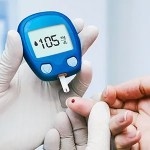
Your numbers tell a story-one that can guide you toward a healthier heart. You can empower yourself to spot imbalances before they become issues. All by regularly checking your blood pressure, cholesterol, blood sugar, and BMI.
Early signs like hypertension or insulin resistance are often silent. However, it’s manageable when caught early. A tip you shouldn’t overlook: understanding your family history is a heart disease prevention tactic.
Tuning into your body through routine screenings is indeed a powerful way to improve heart health and naturally keep your heart healthy.
Small Habits That Add Up
Try these easy everyday moves:
- Stay hydrated (yes, plain water counts!)
- Aim for 7–9 hours of solid sleep
- Cut down on packaged junk food items
- Laugh often, talk to your people
- Skip the elevator, take the stairs
- Walk a bit after meals
- Keep healthy munchies around
These micro-habits support how to keep the heart healthy in a more balanced way.
Over To You
Even when heart medicines have their place in the world, the real magic lies in daily habits. Every healthy choice-every meal, workout, deep breath, or screen-free evening-strengthens your heart health.
These strategies aren’t quick fixes. Instead, they’re lifelong habits that empower you. You don’t have to get everything right; just keep making better choices regularly.
Frequently Asked Questions (FAQs)
- I want a healthier heart; where do I start?
A routine check-up with basic tests-like blood pressure, cholesterol, and ECG-can give you a good picture. If you’re not sure how to keep your heart healthy, these screenings are a great place to begin.
- I want a healthier heart; where do I start?
Start with daily habits like: walking, eating more veggies, managing stress, and getting good sleep. These small changes really help when you’re looking at how to improve heart health over time.
- What tablets are good for the heart?
Depending on your condition, doctors may prescribe medicines like statins (for cholesterol), aspirin (for blood thinning), or beta-blockers. Always consult your doctor before starting any heart medicine.
- What is the most popular heart medicine?
Statins are among the most commonly prescribed medications to help manage cholesterol and reduce heart risk. But remember, medication is just one part of how to improve heart health-your lifestyle plays a role too.
- How to make a weak heart stronger?
Even small lifestyle changes like walking daily, eating better, and taking your meds can have a powerful impact on your heart. Strengthening a weak heart is possible with consistent care and focus on how to keep heart healthy.
References:
https://pmc.ncbi.nlm.nih.gov/articles/PMC9809462/
https://www.ncbi.nlm.nih.gov/pmc/articles/PMC4019046/
https://www.who.int/news-room/fact-sheets/detail/cardiovascular-diseases-(cvds)
https://www.heart.org/en/healthy-living/healthy-lifestyle/lifes-essential-8
https://www.cdc.gov/heartdisease/prevention.htm
https://www.hsph.harvard.edu/nutritionsource/disease-prevention/cardiovascular-disease/
https://www.nhlbi.nih.gov/health/heart/heart-prevention
https://www.mayoclinic.org/diseases-conditions/heart-disease/in-depth/heart-healthy-diet/art-20047702
https://www.hopkinsmedicine.org/health/conditions-and-diseases/heart-disease/preventing-heart-disease
https://www.bhf.org.uk/informationsupport/risk-factors
https://health.clevelandclinic.org/why-sitting-too-much-is-bad-for-your-heart/