Word Count: 1026
Read Time: Approximately 5 minutes
Table of Contents:
- The Importance of Spotting Heart Disease Early
- Common Symptoms of Heart Disease
- Leading Causes and Risk Factors
- Conclusion
- Frequently Asked Questions
Heart disease remains the leading cause of death globally, yet many people fail to recognise the early warning signs. Often, heart problem symptoms show up in ways we do not expect.
Understanding the early heart disease symptoms can be life-saving, especially when they’re subtle or appear gradually.
In this blog, we help you understand the most common heart problem symptoms and what might be causing them, so you can take charge of your health with clarity and confidence.
The Importance of Spotting Heart Disease Early
Studies show that many people miss the early signs of cardiovascular disease. They mistake them for minor issues. Yet, heart disease symptoms, though subtle, are often the first indicators of underlying problems. The risk is higher in individuals above 40, especially those with diabetes, a history of smoking, or a genetic predisposition.
Spotting the signs early could mean fewer complications, better treatment outcomes and possibly avoiding long-term heart diseases altogether.
When treated early with the appropriate medication, many heart patients see major improvements in their health and lifestyle.
Common Symptoms of Heart Disease
- Chest Discomfort or Pain
Chest discomfort, known as angina, is one of the most frequent symptoms of heart disease. You might experience it as a feeling of heaviness, constriction or burning in your chest. It’s not always severe, especially in women or people with diabetes.
- Shortness of Breath
Shortness of breath, whether experienced during physical activity or at rest, is a common heart disease symptom. It’s frequently associated with conditions like heart failure or problems with heart valves, which reduce the heart’s ability to pump oxygen-rich blood efficiently.
- Fatigue and Weakness
Fatigue and weakness, particularly when they occur without physical exertion, can be early heart problem symptoms. When the heart can’t pump enough oxygen-rich blood throughout the body, it can lead to ongoing fatigue – a symptom commonly seen in women. This early symptom is often overlooked until it becomes more serious.
- Irregular Heartbeat or Palpitations
Palpitations- such as skipped beats, fluttering, or a rapid heartbeat, are classic signs of potential arrhythmias. While occasional irregularities may be harmless, frequent episodes can be early heart disease symptoms.
- Swelling in Legs, Ankles, or Feet
Swelling- especially in the lower legs, ankles or feet is a common heart disease symptom caused by fluid buildup. This often results from poor circulation or reduced pumping efficiency due to heart failure. Ongoing swelling is a sign you shouldn’t overlook, as it may point to an underlying issue.
- Dizziness or Light-headedness
Dizziness or light-headedness, especially when recurring, happens when your heart struggles to pump enough blood to the brain. The possible reason could be arrhythmias or narrowed arteries.
These symptoms are often mistaken for dehydration or high blood pressure, but it might be more than that.
Leading Causes and Risk Factors
- <h3> High Blood Pressure (Hypertension) </h3>
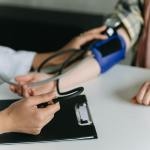
Think of your arteries like flexible pipes. The inner linings of those pipes are damaged if your blood pressure stays high for too long. Once the inner lining is injured, plaque can latch onto the exposed surface. That’s how blockages begin-paving the way for heart problem symptoms to show up later.
- High Cholesterol
LDL contributes to plaque deposits that can block arteries and trigger major heart problems. Think of it as the grease that clogs your kitchen pipes. While HDL cholesterol helps clear some of it out.
If LDL takes over, it can lead to clogged arteries and raise your risk of heart disease.
- Diabetes
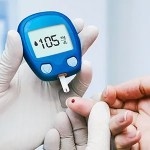
Over time, uncontrolled blood sugar silently injures your arteries and circulation. Research suggests that people with diabetes face a 2 to 4 times higher risk of developing heart problems. When you have diabetes, protecting your heart should be a top priority, too.
- Smoking
Smoking greatly increases the chances of developing cardiovascular conditions. Cigarette smoke restricts oxygen delivery, strains the arteries, and makes clot formation more likely. All of which strain the cardiovascular system.
Smokers are significantly more likely to experience heart disease symptoms earlier in life.
- Obesity and Sedentary Lifestyle
Being overweight and not getting enough physical activity are major contributors to cardiovascular conditions. The excessive body fat, particularly visceral fat, is a reason for elevated cholesterol, insulin resistance and hypertension.
Eating lots of processed items can sharply raise your chances of complications.
- Family History and Age
Sometimes, it’s not just about lifestyle-genetics can play a big role. A family history of heart disease, or being over age 45 for men and 55 for women, puts you at higher risk.
When you’re aware of your family’s heart history, it’s easier to stay one step ahead with prevention.
Conclusion
Taking proactive steps can help both manage and prevent heart-related illnesses. Spotting early warning signs and knowing your risk factors helps you stay ahead of heart problems. Whether it’s a change in lifestyle or seeking medical advice, timely action makes a significant difference.
And if the cost of medication ever held you back, PlatinumRx has your back with cost-effective options for heart medicines while ensuring quick, safe delivery to your home.
Frequently Asked Questions
- How can someone tell if heart disease might be starting?
Early heart disease symptoms can feel like mild chest discomfort, unusual fatigue, shortness of breath, or a fluttering heartbeat, all of which are easy to miss but important to notice.
- How to check heart health at home?
You can monitor your heart rate, blood pressure and oxygen levels with home devices, but if you’re noticing heart problem symptoms, it’s best to consult a doctor for a proper check-up.
- Can I still enjoy everyday life even with heart disease?
Yes, many people live full, active lives by managing their condition with heart medicines, healthy habits and keeping an eye on heart disease symptoms.
- What are the symptoms of a weak heart?
Symptoms of a weak heart may include shortness of breath, fatigue, swelling in the legs, rapid heartbeat, dizziness, chest discomfort and difficulty exercising. These symptoms can be seen even during everyday activities.
References:
https://www.who.int/news-room/fact-sheets/detail/cardiovascular-diseases-(cvds)
https://www.heart.org/en/healthy-living/healthy-lifestyle/lifes-essential-8
https://www.cdc.gov/heartdisease/prevention.htm
https://www.hsph.harvard.edu/nutritionsource/disease-prevention/cardiovascular-disease/
https://www.nhlbi.nih.gov/health/heart/heart-prevention
https://www.mayoclinic.org/diseases-conditions/heart-disease/in-depth/heart-healthy-diet/art-20047702
https://www.hopkinsmedicine.org/health/conditions-and-diseases/heart-disease/preventing-heart-disease
https://www.bhf.org.uk/informationsupport/risk-factors
https://health.clevelandclinic.org/why-sitting-too-much-is-bad-for-your-heart/
https://www.ncbi.nlm.nih.gov/pmc/articles/PMC4019046/