Substitute of Tobradex 0.1%/0.3% Eye Drop
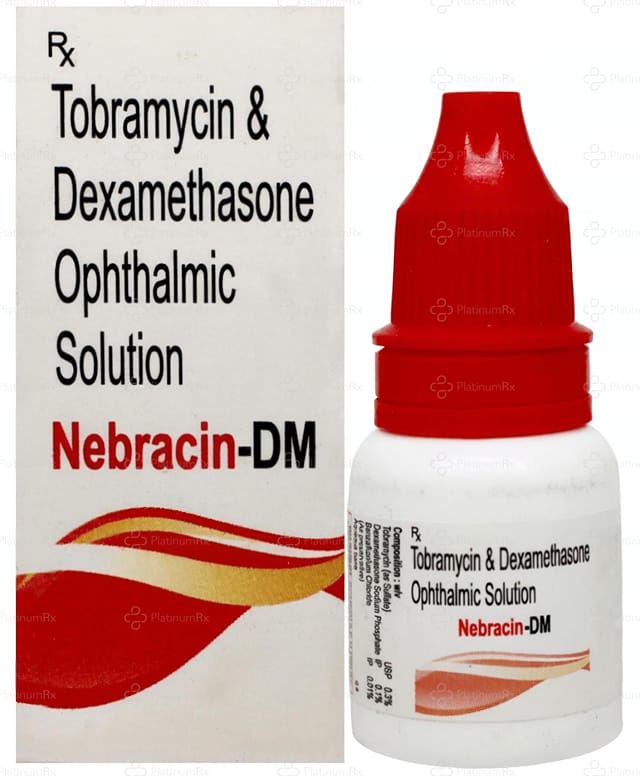
Looking for a cost-effective alternative to Tobradex 0.1%/0.3% Eye Drop? Nebracin DM Ophthalmic Solution 10ml contains the exact same active ingredients (Dexamethasone w/v + Tobramycin w/v) and delivers identical therapeutic benefits, ensuring you get the same quality of care at a better price.
Best substitute for Tobradex 0.1%/0.3% Eye Drop
Genuine Medicine
Pay On Delivery
Secure Payment

LegitScript Certified Online Pharmacy



When Can I Switch from Tobradex 0.1%/0.3% Eye Drop to its Substitute
- It contains the same active ingredient(s), strength, and dosage form as Tobradex 0.1%/0.3% Eye Drop.
- Looking for a more affordable, cost-effective treatment for long-term use.
- It is prescribed to treat the same medical condition.
- You do not have any medical condition or allergy that requires a specific brand.
Key Things to Consider Before Choosing Tobradex 0.1%/0.3% Eye Drop's Substitute
Match the Active Ingredients
Nebracin DM Ophthalmic Solution 10ml contains the same active ingredient(s) as Tobradex 0.1%/0.3% Eye Drop. This helps ensure the medicine is intended to treat the same condition in a similar way.
Check the Strength and Dosage Form
Nebracin DM Ophthalmic Solution 10ml has the same strength and dosage form as Tobradex 0.1%/0.3% Eye Drop. This ensures the same effect.
Check for Allergies Before Switching
Tobradex 0.1%/0.3% Eye Drop and Nebracin DM Ophthalmic Solution 10ml contain the same active ingredient(s), strength, and dosage form, so they are expected to have similar side effects and allergy profiles. Minor differences in inactive ingredients, such as colours or fillers, may occasionally cause sensitivities in some individuals.
Review the Manufacturer and Brand
Tobradex 0.1%/0.3% Eye Drop's substitute Nebracin DM Ophthalmic Solution 10ml is manufactured by Sunways India Pvt. Ltd. which is FDA certified, GMP certified and among the top tier pharmaceutical manufacturers.
At PlatinumRx, we offer substitutes from trusted manufacturers that follow approved quality standards.
Monitor Your Health After Switching
Once you switch from Tobradex 0.1%/0.3% Eye Drop to a Nebracin DM Ophthalmic Solution 10ml substitute, pay attention to how your body responds. In the rare case of any new side effects, feel unwell, or think the medicine isn't working as expected, speak with your doctor. They can help determine whether the substitute is the right fit for your treatment.
Myths vs. Facts About Generic Medicines
Cheaper medicines are lower quality and take longer to work.
Generics act in the body at the exact same speed. They cost less because they don't pay for initial R&D and heavy TV marketing.
Generic drugs cause more side effects or stomach issues.
The active medicinal ingredients are 100% identical. Regulatory bodies ensure the generic's safety profile matches the original perfectly.
Generic companies skip safety testing to save money.
False. Manufacturers must pass rigorous "bioequivalence" testing to prove their pill behaves exactly like the original in the human body.
FAQs About Tobradex 0.1%/0.3% Eye Drop Substitute
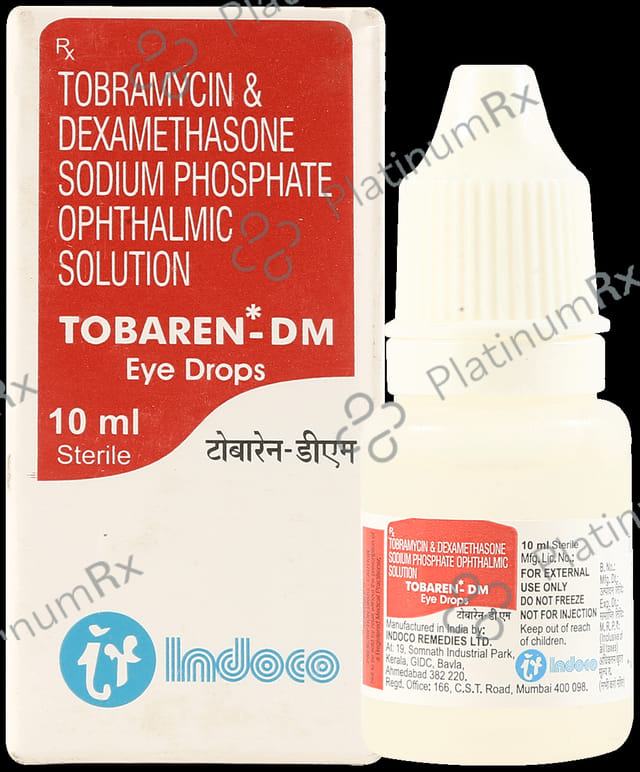
More Medicine with the Same Composition
Disclaimer
PlatinumRx is committed to providing reliable and accurate information to support informed customer decisions. However, all information made available on the Platform, including product descriptions, comparisons, and other content, is provided solely for general informational purposes. Such information is not intended to diagnose, prevent, treat, or cure any medical condition, nor should it be relied upon as a substitute for professional medical advice, diagnosis, or treatment.
Editorial Policy