


Zolmitriptan
Uses
Zolmitriptan is used for the acute treatment of migraine headaches. It alleviates the symptoms of migraines and helps prevent the attacks from worsening.
How it Works
How Zolmitriptan works Migraine headaches occur due to the dilation (swelling) of blood vessels in the head. Zolmitriptan works by constricting these blood vessels, thereby alleviating the migraine headache.
Side Effects
Common side effects of Zolmitriptan include dryness in the mouth, nausea, vomiting, weakness, dizziness, sleepiness, paresthesia (tingling or pricking sensation), headache, hyperesthesia (increased sensitivity), warm sensation, abdominal pain, difficulty swallowing, palpitations, and muscle weakness.
Expert Advice
- You have been prescribed Zolmitriptan for the treatment of migraine headaches.
- Some tips that may help avoid a migraine attack:
- Have your meals at the same time every day.
- Avoid bright lights and extreme temperatures.
- Avoid loud music and noisy places.
- Avoid chocolates, cheese, processed foods, alcohol, and smoking.
- Get enough sleep and manage stress.
- This medication may cause sleepiness. Do not drive or engage in activities that require mental focus until you know how it affects you.
- Notify your doctor if:
- Your migraines occur more frequently after starting the medication.
- You experience stomach pain, headache, bloody diarrhea, or worsening high blood pressure.
- Inform your doctor if you have a history of heart disease or stroke.
- Please note that this medication does not prevent migraine attacks from occurring.
Top Selling Medicines
Top Health Products
Top Selling Devices
Related Medications

Zolmitriptan 5mg
₹503.7
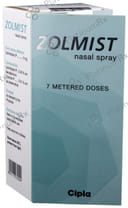
₹665.1
MRP ₹811.1
Zolmitriptan 5mg

₹608
₹665.1
MRP ₹811.1
Zolmitriptan 5mg
₹665.1
MRP ₹811.1
Zolmitriptan 5mg
₹503.7
₹665.1
MRP ₹811.1
Zolmitriptan 2.5mg
₹22.9

Zolmitriptan 5mg
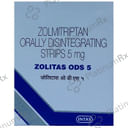
₹75
Zolmitriptan 2.5mg
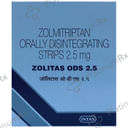
₹46.9