


More About Varenicline
Quick Summary
Varenicline is a prescription medicine used to help adults stop smoking. It is available as film-coated tablets in two strengths, 0.5 mg and 1 mg, made from Varenicline. It belongs to a group of medicines called nicotinic receptor partial agonists, which means it acts on some of the same brain receptors that nicotine affects, without exposing the body to nicotine itself. Varenicline is meant to be used as part of a structured quit-smoking program that also includes counselling and behavioural support, usually for a course of about 12 weeks. It works by reducing the urge to smoke and easing some of the discomfort of nicotine withdrawal, while also making a cigarette feel less rewarding if a person does smoke while taking it.
Detailed Description
Varenicline is approved as an aid to smoking cessation treatment in adults who are motivated to quit. It is not a nicotine replacement product. Instead, it works directly on the same brain receptors nicotine uses, called alpha4beta2 nicotinic acetylcholine receptors, but only partly switches them on. This partial activation gives the brain some of the signal it is used to getting from nicotine, which can ease cravings and withdrawal discomfort during a quit attempt. At the same time, because Varenicline is already sitting on these receptors, it blocks nicotine from fully activating them if a person smokes while on treatment, which can make smoking feel less satisfying.
Varenicline is taken by mouth as a film-coated tablet, usually starting about a week before a person's chosen quit date, or the dose can be started first with the quit date set for somewhere in the following weeks. A typical course runs for about 12 weeks, and people who have successfully stopped smoking by the end of that period may be given an additional course of a further 12 weeks to help maintain abstinence, based on their doctor's assessment.
Because this is a prescription medicine with a well-documented safety profile, it should only be used under medical supervision. Doctors need to know a person's full medical history before prescribing it, including any history of mental health conditions, seizures, kidney disease, allergic reactions to Varenicline, or heart and blood vessel disease, since these conditions affect how safely Varenicline can be used and whether the dose needs to be adjusted. Regular follow-up during treatment allows a doctor to check how the quit attempt is going and watch for any of the safety concerns discussed in the sections below.
Uses of Varenicline
- Smoking cessation aid - Varenicline is approved for use in adults as an aid to help them stop smoking.
- Part of a structured quit program - It is intended to be used together with counselling and behavioural support, not as a stand-alone treatment, as part of a comprehensive program to quit smoking.
Benefits of Varenicline
- Non-nicotine mechanism - Varenicline helps with quitting without adding more nicotine to the body, since it works on nicotine's brain receptors directly rather than replacing the nicotine itself.
- Eases withdrawal discomfort - By partly activating the same receptors nicotine uses, it can take the edge off cravings and withdrawal symptoms during a quit attempt.
- Reduces the reward of smoking - If a person smokes while taking it, Varenicline blocks nicotine from fully activating its usual brain receptors, which can make cigarettes feel less satisfying.
- Built around structured support - It is intended to be used alongside counselling and behavioural support, which combines a medical and a psychological approach to quitting.
- Defined treatment course - The medicine is prescribed for a set course, commonly around 12 weeks, rather than for indefinite daily use, with a possible second 12-week course for people who have successfully quit.
Side Effects of Varenicline
Common Side Effects (Usually Mild and may lessen with continued use)
- Nausea, which is the most commonly reported side effect. Starting at a lower dose and increasing it gradually over the first week, as prescribed, is intended partly to reduce how often and how strongly nausea occurs.
- Sleep-related changes, including vivid or unusual (abnormal) dreams and trouble sleeping (insomnia).
Serious Side Effects (Seek Urgent Medical Attention)
- Neuropsychiatric symptoms: changes in mood, agitation, unusual or aggressive behaviour, depressed mood, and suicidal thoughts or suicidal behaviour have been reported. This risk was considered significant enough that the United States prescribing label carried a Boxed Warning for several years; that Boxed Warning was removed in December 2016 after the large EAGLES safety trial found the risk of these events was not as high as first thought, though doctors are still advised to monitor patients for mood or behaviour changes during treatment.
- Seizures: new or worsening seizures have been reported, most often within the first month of treatment, including in people with no previous seizure history.
- Serious skin reactions: rare but serious reactions, including Stevens-Johnson syndrome and erythema multiforme, have been reported. These cause blistering, peeling skin, or sores in the mouth or on other mucous membranes and need immediate medical attention.
- Hypersensitivity reactions, including angioedema: rare but serious allergic reactions have been reported, with swelling of the face, mouth (including the tongue, lips, and gums), throat, or neck. In a small number of cases this swelling has been severe enough to affect breathing and has needed emergency care. Varenicline should not be used by anyone who has had a serious allergic reaction to it before, and this is a separate reaction from the skin reactions described above, with its own distinct warning signs. Anyone who notices swelling of the face, lips, tongue, mouth, or throat, or has trouble breathing or swallowing, should stop taking Varenicline and get emergency medical help right away.
- Cardiovascular events: the U.S. prescribing label for Varenicline reports that, in people who already have heart or blood vessel disease, heart attack (myocardial infarction) and stroke occurred somewhat more often with Varenicline than with placebo in clinical data, although overall death rates were not higher in this group. Anyone with existing heart disease should tell their doctor about any new or worsening chest pain, leg pain, or symptoms of a stroke while on treatment.
Directions for Use
- Swallow the tablet whole with a full glass of plain water. Do not crush, chew, or break it.
- Take the tablet after eating, since taking it with food can reduce stomach upset.
- Try to take each dose at the same time or times every day, so the medicine stays at a steady level in the body.
- Follow the schedule your doctor gives you for starting the medicine, including the lower starting dose used in the first days of treatment.
- Complete the full course your doctor has prescribed, even once cravings ease, since stopping early can reduce the chances of staying smoke-free.
- Do not use Varenicline together with nicotine replacement products or other stop-smoking medicines unless your doctor has specifically told you to, since combining treatments has been linked to more stomach and nervous-system side effects.
How it works
Varenicline works on structures in the brain called alpha4beta2 nicotinic acetylcholine receptors, the same receptors that nicotine from cigarettes attaches to. Varenicline binds to these receptors strongly and selectively, but it only partly switches them on, unlike nicotine, which switches them on fully. This partial switching-on gives the brain a smaller version of the signal it is used to getting from nicotine, which is thought to reduce cravings and the discomfort of nicotine withdrawal during a quit attempt. Because Varenicline occupies these receptors, it also gets in the way of nicotine itself if a person smokes while taking the medicine, so smoking is less likely to feel as rewarding as before.
Safety Advice for Varenicline

Pregnancy
Limited information
Varenicline is not recommended during pregnancy because there is not enough human safety data to confirm it is safe for the baby, and animal studies have shown effects on the developing fetus at high exposure levels. A large population-based study did not find more birth defects in babies of women who used varenicline while pregnant compared to women who kept smoking, but quitting through counselling and, where needed, other approaches recommended by a doctor is generally preferred during pregnancy.

Breastfeeding
Limited information
There is no information on whether varenicline passes into human breast milk. If a breastfeeding parent uses this medicine, the doctor may advise watching the infant for unusual symptoms such as seizures or excessive vomiting.

Alcohol
Limited information
The varenicline prescribing label notes postmarketing reports of reduced tolerance to alcohol while taking varenicline, including feeling more intoxicated than usual, unusual or aggressive behaviour, or memory gaps for events that happened while drinking. It is advised to limit alcohol until you know how the medicine affects you.

Driving
Limited information
Varenicline can cause dizziness, sleepiness, or difficulty concentrating in some people, and there have been reports of traffic accidents linked to this. Avoid driving or operating machinery until you know how the medicine affects you.

Kidney
Limited information
Varenicline is cleared from the body mainly through the kidneys, so, per the dosing guidance in its prescribing label, people with severe kidney impairment or those on dialysis need a lower dose than people with normal kidney function. No dose change is needed for mild to moderate kidney impairment.

Liver
Limited information
No dose adjustment is required for people with liver impairment, since varenicline is not significantly broken down by the liver.

Children
Limited information
Varenicline is not recommended for anyone 16 years of age or younger, since there is not enough clinical evidence confirming it is safe and effective for this age group.

Elderly patients
Limited information
No general dose change is needed for older adults based on age alone, but because kidney function tends to decline with age, doctors may check kidney function and adjust the dose accordingly.
Quick Tips for Varenicline
- Take your dose after a meal with a full glass of water to help ease nausea.
- Keep to the same time each day so the medicine works steadily through your quit attempt.
- Tell your doctor right away about any new mood changes, agitation, or thoughts of self-harm.
- Limit alcohol until you know how the medicine affects you.
- Do not add nicotine patches, gum, or other stop-smoking products without checking with your doctor first.
- Finish the full course your doctor prescribes, even once cravings ease.
- Get emergency help right away for any swelling of the face, lips, tongue, mouth, or throat, or difficulty breathing or swallowing.
Storage Advice
Store Varenicline tablets at room temperature, between 20 and 25 degrees Celsius (68 to 77 degrees Fahrenheit), with brief excursions to 15 to 30 degrees Celsius (59 to 86 degrees Fahrenheit) allowed during travel or transport. Keep the tablets in their original container, away from excess moisture and direct light. Store out of the sight and reach of children and pets.
Drug-Food Interaction
Varenicline can be taken with or without food, but taking it after a meal with a full glass of water is generally advised because it can reduce nausea. No specific foods are known to need avoiding while taking this medicine.
Interactions with Other Drugs
- Cimetidine - Taking cimetidine together with Varenicline increases the amount of Varenicline in the body because cimetidine reduces how quickly the kidneys clear it. This has not been found to be a significant clinical concern for most people, but your doctor may still want to know if you are taking cimetidine.
- Nicotine replacement products - Combining Varenicline with nicotine patches or other nicotine replacement products has been linked to more nausea, headache, vomiting, dizziness, indigestion, and tiredness than either treatment used alone, and more people stopped treatment because of side effects when the two were combined. This combination has not been well studied and is generally not recommended unless specifically advised by a doctor.
- Drugs affected by quitting smoking itself - Stopping smoking, whether or not Varenicline is used to help, changes how the body processes certain other medicines, including theophylline, warfarin, and insulin, because smoking itself affects a liver enzyme pathway involved in breaking these down. Doses of these medicines may need to be adjusted once a person quits smoking, so it is important to tell every prescriber about a quit attempt.
Drug-Disease Interactions
- Existing heart or blood vessel disease - People with a history of heart attack, stroke, or other cardiovascular disease should discuss the small increase in cardiovascular events reported with Varenicline with their doctor and should report any new or worsening heart-related symptoms during treatment.
- History of mental health conditions or seizures - Anyone with a past or current mental health condition, or a history of seizures or other factors that lower the seizure threshold, should make sure their doctor knows, so that mood, behaviour, and any seizure activity can be monitored during treatment.
- Kidney disease - Because Varenicline is cleared mainly through the kidneys, people with severe kidney impairment or those on dialysis need their dose adjusted, and kidney function should be discussed with the prescribing doctor.
- Known allergy to Varenicline - Anyone who has previously had a serious allergic reaction to Varenicline, including swelling of the face, mouth, or throat, should not take it again and should make sure this history is on record with their doctor.
Daily Dose
Varenicline is generally started at a lower dose that is taken once daily for the first few days, then increased to a higher frequency later in the first week, before moving to a steady maintenance dose taken twice daily for the rest of a 12-week course, exactly as your doctor prescribes. The tablets used for this schedule come in two strengths, 0.5 mg and 1 mg, and the starting days typically use the lower strength before stepping up. People with severe kidney impairment or those on dialysis are prescribed a lower overall dose because the medicine is cleared through the kidneys. Always follow the exact dose and schedule your doctor gives you rather than adjusting it yourself, and do not exceed the prescribed frequency in any 24-hour period.
Overdose
Reported effects of taking more Varenicline than prescribed include nausea, vomiting, dizziness, and other symptoms related to its effects on the nervous system. If an overdose is suspected, contact emergency medical services or a poison control center right away, or go to the nearest hospital. Take the medicine packaging with you so healthcare staff know exactly what was taken.
What If You Forget to take Varenicline?
If you miss a dose, take it as soon as you remember on the same day. If it is almost time for your next dose, skip the missed one and continue with your regular schedule. Do not take two doses together to make up for a missed one.
When to contact doctor
- New or worsening changes in mood, agitation, anxiety, unusual behaviour, or thoughts of suicide or self-harm.
- A seizure, or any loss of consciousness.
- A skin rash, blistering, or peeling skin, especially if it involves the mouth, eyes, or other mucous membranes.
- Swelling of the face, lips, tongue, mouth, or throat, or any new difficulty breathing or swallowing. This can be a sign of a serious allergic reaction (angioedema) and needs emergency medical attention right away, even if it appears without any skin rash.
- Chest pain, pressure, or tightness, or symptoms of a stroke such as sudden weakness, slurred speech, or vision changes, particularly if you have existing heart or blood vessel disease.
- Severe or persistent nausea and vomiting that does not improve.
- Any accident, near-accident, or episode of severe dizziness or loss of concentration while driving or operating machinery.
References
Fact Box
Therapeutic Class
Smoking cessation aid (anti-smoking agent)
Action Class
Nicotinic acetylcholine receptor partial agonist, selective for the alpha4beta2 receptor subtype
Chemical Class
Pyrazino-benzazepine derivative, used as the L-tartrate salt
Habit Forming
No
Checkout Editorial Policy
Top Selling Medicines
Top Health Products
Top Selling Devices
Related Medications

Varenicline 1mg
₹810
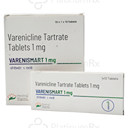
₹599
MRP ₹936
Varenicline 1mg
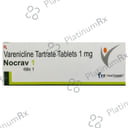
₹750
₹599
MRP ₹936
Varenicline 1mg

₹750
₹599
MRP ₹936
Varenicline 0.5mg
₹435
₹383.4
MRP ₹599
Varenicline 0.5mg
₹383.4
MRP ₹599
Varenicline 1mg
₹599
MRP ₹936
Varenicline 1mg
₹1,593.8
₹599
MRP ₹936
Varenicline 0.5mg
₹440
₹383.4
MRP ₹599
Varenicline 1mg
₹515.6
₹599
MRP ₹936
Varenicline 0.5mg
₹280.3
₹383.4
MRP ₹599
Varenicline 1mg
₹374.1
₹599
MRP ₹936
Varenicline 0.5mg
₹365.6
₹383.4
MRP ₹599
Varenicline 1mg
₹553.1
₹599
MRP ₹936
Varenicline 1mg
₹750
₹599
MRP ₹936