


More About Valacyclovir
Quick Summary
Valacyclovir, also known as valaciclovir, is an antiviral medicine. It is taken by mouth as a tablet and comes in 500 mg and 1 g strengths. It treats infections caused by herpes viruses. These include cold sores on the lips, genital herpes, shingles (herpes zoster) in adults, and chickenpox in children aged 2 years and older. Inside the body, Valacyclovir changes into aciclovir (also spelled acyclovir), which is the part that fights the virus. It stops the virus from spreading. It can shorten an outbreak and ease symptoms. Taken daily, it can help prevent repeat outbreaks of genital herpes. Valacyclovir does not remove the virus from your body, so outbreaks can come back later. It works best when started soon after symptoms begin.
Detailed Description
Valacyclovir belongs to a group of medicines called antivirals. It is a "prodrug", which means it is an inactive form that the body turns into the active medicine. After you swallow the tablet, Valacyclovir is absorbed from the gut quickly. It is then converted almost completely into aciclovir and L-valine, a natural amino acid. This happens mainly in the gut wall and the liver. Taking aciclovir in this form gets more medicine into the blood than aciclovir tablets do, so Valacyclovir usually needs fewer doses a day.
Inside cells infected with herpes, aciclovir blocks the enzyme the virus uses to copy its genetic material. The virus then cannot multiply and spread to nearby cells. Your immune system can then control the outbreak, and sores may heal sooner.
Doctors prescribe Valacyclovir for:
- Cold sores (herpes labialis): treating cold sores on or around the lips in adults and in children aged 12 years and older.
- Genital herpes: treating a first outbreak or repeat outbreaks. It is also used as daily treatment to prevent outbreaks, including in adults with HIV, and to lower the chance of passing the virus to a sexual partner.
- Shingles (herpes zoster): treating the painful, blistering rash of shingles in adults.
- Chickenpox (varicella): treating chickenpox in children aged 2 to under 18 years who have a normal immune system.
Valacyclovir acts on the herpes virus only while you take it. Once you have the herpes virus, it stays in your body, resting in nearby nerves. That is why outbreaks can come back after you stop the medicine. For cold sores, treatment works best when started at the first sign, such as tingling, itching or burning.
Valacyclovir leaves the body mainly through the kidneys, so kidney health matters with this medicine. Some people have a higher chance of kidney problems: older adults, people with kidney disease, people who do not drink enough fluids, and people taking other medicines that can harm the kidneys. Some of these people can also develop confusion or other nervous system effects. Your doctor may change the dose based on how well your kidneys work. Use Valacyclovir only under medical supervision. Before you start, tell your doctor about any kidney disease, immune system problems or HIV infection, or if you have had a bone marrow or kidney transplant.
Benefits of Valacyclovir
- Fights the herpes virus directly - Valacyclovir stops herpes simplex and varicella-zoster viruses from multiplying, which can help sores and blisters heal.
- Fewer doses than aciclovir tablets - More of the active medicine reaches the blood, so Valacyclovir is usually taken only once, twice or three times a day.
- Short course for cold sores - A cold sore episode is treated with just 2 doses over 1 day.
- Prevents repeat genital herpes outbreaks - Taken every day, it can help keep outbreaks from coming back.
- Lowers the chance of passing on genital herpes - Daily use can reduce the chance of passing the virus to a sexual partner, especially when combined with safer sex practices.
- Treats shingles and chickenpox - It is approved for shingles in adults and for chickenpox in children from 2 years of age.
- Flexible with meals - It can be taken with or without food.
Side Effects of Valacyclovir
Common Side Effects (Usually Mild)
- Headache
- Nausea
- Vomiting
- Diarrhoea
- Stomach pain
- Dizziness
Serious Side Effects (Seek Urgent Medical Attention)
- Severe skin reactions, including Stevens-Johnson syndrome (SJS) and toxic epidermal necrolysis (TEN): These are rare but dangerous reactions in which the skin and the lining of the mouth, eyes or genitals blister and peel. Other serious skin reactions have also been reported:
- DRESS (drug reaction with eosinophilia and systemic symptoms), which causes rash, fever and swollen glands and can affect internal organs
- AGEP (acute generalised exanthematous pustulosis), a sudden rash with many small pus-filled bumps
- Erythema multiforme, which causes target-shaped patches on the skin
If you get a painful rash with sores in the mouth, eyes or genitals, or a rash that keeps spreading, stop Valacyclovir and get medical help right away.
- Acute kidney injury (sudden kidney failure): Signs include passing much less urine, swelling of the legs, ankles or feet, and unusual tiredness. The risk is higher in older adults, people with kidney disease, people who do not drink enough fluids, and people taking other medicines that can harm the kidneys.
- Nervous system effects: These include agitation, confusion, aggressive behaviour, shaky or unsteady movements, trouble speaking, and seeing or hearing things that are not there (hallucinations). Seizures and encephalopathy (a serious brain problem that can lead to coma) can also happen. These effects are more likely in older adults and in people with kidney problems.
- Thrombotic thrombocytopenic purpura / haemolytic uraemic syndrome (TTP/HUS): This is a rare, life-threatening blood clotting disorder. Small clots form in blood vessels, damage red blood cells and platelets, and can harm the kidneys. In studies, it happened in people with advanced HIV disease and in bone marrow or kidney transplant patients taking very high daily doses. Warning signs include:
- Unusual bruising or tiny red or purple spots on the skin
- Fever or extreme tiredness
- Pale or yellow skin
- Confusion
- Passing less urine
- Serious allergic reaction (anaphylaxis): Signs include swelling of the face, lips or throat, trouble breathing, or hives.
Directions for Use
- Take Valacyclovir exactly as your doctor prescribes. Do not take more or less of it, and do not take it more often.
- You can take it with or without food. Choose one way and stick with it so your routine is easy to follow.
- Swallow the tablet whole with a glass of plain water. Do not crush, chew or break it unless your doctor or pharmacist tells you to. For children who cannot swallow tablets, a pharmacist can make a liquid form from the tablets.
- Drink plenty of fluids during treatment. Staying well hydrated protects your kidneys while you take Valacyclovir.
- Start as soon as possible after symptoms appear. For cold sores, take the first dose at the earliest tingling, itching or burning. Valacyclovir works best when started within 24 hours of a repeat genital herpes outbreak or a chickenpox rash. For a first genital herpes outbreak or a shingles rash, it works best when started within 48 hours.
- Space your doses evenly through the day. For example, take twice-daily doses about 12 hours apart and three-times-daily doses about 8 hours apart.
- For cold sores, treatment lasts only 1 day (2 doses, about 12 hours apart). Do not take it for longer than this.
- For other conditions, finish the full course even if you feel better. Do not stop early without talking to your doctor.
How it works
Valacyclovir is a "prodrug" of aciclovir. It is aciclovir joined to L-valine, an amino acid. This link helps the medicine pass from the gut into the blood. Once absorbed, the body quickly removes the valine and releases aciclovir, the active antiviral.
Herpes viruses have to copy their DNA (their genetic instructions) to multiply. Aciclovir looks very similar to one of the natural building blocks of DNA. Here is how it works, step by step:
- Activation mostly inside infected cells: An enzyme made by the herpes virus, called thymidine kinase, starts activating aciclovir. Healthy cells do not do this first step well, so the medicine builds up mainly in infected cells.
- Further conversion by the body's own enzymes: Enzymes in the cell then turn it into its fully active form, aciclovir triphosphate.
- Blocking viral DNA copying: Aciclovir triphosphate works against the virus in 3 ways:
- It competes with the natural building block for the viral DNA polymerase, the "copying machine" the virus uses to make new DNA.
- It gets built into the growing viral DNA strand and stops that strand from growing any further.
- It shuts down the viral DNA polymerase.
With its DNA copying blocked, the virus cannot make new copies of itself. This limits the outbreak and lets the immune system take over. Valacyclovir acts on herpes simplex virus types 1 and 2, which cause cold sores and genital herpes. It also acts on varicella-zoster virus, which causes chickenpox and shingles.
Safety Advice for Valacyclovir

Pregnancy
Limited information
Data from several decades of use of Valacyclovir and aciclovir in pregnant women have not shown a link to major birth defects. You do not need to use any special birth control because of this medicine. Herpes can be passed to the baby, and untreated herpes during pregnancy can carry risks for the baby, so your doctor will weigh the benefits. Tell your doctor if you are pregnant, planning a pregnancy, or become pregnant during treatment.

Breastfeeding
Limited information
Aciclovir, the active form of Valacyclovir, passes into breast milk. The amount a baby takes in through milk is small, but the effects on a breastfed baby have not been studied. Talk to your doctor about the benefits and risks before breastfeeding while taking this medicine.

Alcohol
Limited information
The prescribing information does not list any specific interaction with alcohol. Ask your doctor whether drinking is safe for you, especially if you feel dizzy or confused during treatment.

Driving
Limited information
Valacyclovir can cause dizziness. Less often, it can cause confusion, hallucinations or other nervous system effects, especially in older adults or people with kidney problems. Do not drive or operate machinery if you feel dizzy, confused, unsteady or unwell.

Kidney
Limited information
Use with caution. Valacyclovir leaves the body through the kidneys. In people with kidney disease, doses that were too high for their kidney function have caused kidney failure and nervous system effects. Your doctor will usually lower the dose based on how well your kidneys work.

Liver
Limited information
In studies of people with moderate or severe cirrhosis (long-term scarring of the liver), no dose change was needed. Tell your doctor about any liver disease before starting.

Children
Limited information
It is approved for cold sores in children aged 12 years and older and for chickenpox in children aged 2 to under 18 years. A child's dose is based on body weight and set by the doctor.

Elderly patients
Limited information
Older adults are more likely to have reduced kidney function and are more prone to kidney and nervous system side effects. They may need a lower dose, and staying well hydrated is especially important.
Quick Tips for Valacyclovir
- Start Valacyclovir at the very first sign of a cold sore or outbreak, such as tingling, itching or burning.
- Drink plenty of water every day during treatment to help protect your kidneys.
- Take it with or without food, whichever suits your routine.
- Take cold sore doses about 12 hours apart, and do not take more than 2 doses for one episode.
- Tell your doctor about all your medicines, especially any that can affect the kidneys.
- Stop the medicine and get help right away if you develop a painful rash with mouth or eye sores.
- Report confusion, unusual behaviour or hallucinations straight away, especially in older family members.
- Do not have sex while genital sores or symptoms are present, and always use a condom.
- With cold sores, do not share items that have touched your saliva, such as cups, towels or lip balm.
- Do not share your tablets with anyone else.
Storage Advice
- Store between 15°C and 25°C (59°F to 77°F).
- Keep the tablets in their original, tightly closed container, away from too much heat and moisture. Do not store them in the bathroom.
- Keep out of the sight and reach of children and pets.
- Do not flush unused tablets down the toilet. Ask your pharmacist how to dispose of them safely.
Drug-Food Interaction
- Meals: Food does not change how much of the medicine your body absorbs, even after a high-fat breakfast. Valacyclovir can be taken with or without meals.
- Fluids: Drinking enough fluid matters. When the body is short of fluid, aciclovir can form crystals in the kidneys and harm them.
- General diet: Unless your doctor advises otherwise, you can keep to your normal diet.
Interactions with Other Drugs
The prescribing information does not list any clinically significant interactions between Valacyclovir and other medicines. A few points still matter:
- Medicines that can harm the kidneys (nephrotoxic drugs): Taking these together with Valacyclovir raises the risk of kidney failure. Your doctor may check your kidney function and use extra caution.
- Aciclovir: Do not take aciclovir with Valacyclovir, because Valacyclovir turns into aciclovir in the body. Taking both would mean a double dose of the same medicine.
- All other medicines: Tell your doctor and pharmacist about every prescription medicine, non-prescription medicine, vitamin and herbal product you take.
Drug-Disease Interactions
- Kidney disease: Doses that are too high for your kidney function can cause kidney failure and nervous system effects, such as confusion and seizures. A lower dose is usually needed.
- Dehydration: Not drinking enough fluid raises the risk of kidney damage.
- Advanced HIV disease, bone marrow transplant or kidney transplant: In these groups, very high doses have been linked to TTP/HUS, a serious clotting disorder. Tell your doctor if any of these apply to you.
- Weakened immune system: Apart from preventing genital herpes outbreaks in people with HIV, the benefits and safety of Valacyclovir have not been fully studied in people with a weakened immune system.
- Older age: Older adults are more prone to kidney problems and nervous system side effects.
- Past serious allergic reaction (such as anaphylaxis) or serious skin reaction to Valacyclovir, aciclovir or any ingredient of the tablet: In this case the medicine must not be used.
Daily Dose
Your doctor decides the dose and how long you take it, based on your condition, age and kidney function. The usual adult doses on the approved label are:
- Cold sores: 2 grams every 12 hours for 1 day only (2 doses in total).
- Genital herpes, first outbreak: 1 gram twice daily for 10 days.
- Genital herpes, repeat outbreaks: 500 mg twice daily for 3 days.
- Preventing genital herpes outbreaks: 1 gram once daily. For people with 9 or fewer outbreaks a year, 500 mg once daily may be used. People with HIV usually take 500 mg twice daily.
- Reducing the chance of passing on genital herpes: 500 mg once daily, taken by the partner who has herpes. This applies to people with a normal immune system who have 9 or fewer outbreaks a year.
- Shingles: 1 gram three times daily for 7 days.
- Chickenpox in children aged 2 to under 18 years: a dose based on body weight, given three times daily for 5 days, never more than 1 gram per dose.
Valacyclovir is taken no more than three times in 24 hours, depending on the condition. People with kidney problems often need a lower dose. Do not change your dose or the length of treatment on your own.
Overdose
Taking too much Valacyclovir can cause aciclovir to form crystals in the kidneys. This can lead to sudden kidney failure, sometimes with little or no urine. Too much of the medicine can also cause nervous system effects, such as agitation, confusion, hallucinations, seizures or coma. Older adults and people with kidney disease are at higher risk.
If you think someone has taken too much, contact a doctor or go to the nearest emergency department right away. Call emergency services if the person has collapsed, had a seizure, has trouble breathing or cannot be woken up. In hospital, doctors may use haemodialysis (a machine that filters the blood) to remove the medicine until the kidneys recover.
What If You Forget to take Valacyclovir?
- Take the missed dose as soon as you remember.
- If it is almost time for your next dose, skip the missed dose and continue your usual schedule.
- Never take a double dose to make up for a missed one, and do not take more than your prescribed dose.
When to contact doctor
Get medical help right away if you notice:
- A painful rash, blisters, peeling skin, or sores in the mouth, eyes or genitals
- Much less urine than usual, swelling of the legs, ankles or feet, or unusual tiredness
- Confusion, aggressive behaviour, shaky movements, trouble speaking, or seeing or hearing things that are not there
- Seizures or extreme drowsiness
- Unusual bruising, tiny red or purple spots on the skin, fever, or pale or yellow skin
- Swelling of the face, lips or throat, or trouble breathing
- Signs of infection that are still there after you finish the course
Fact Box
Therapeutic Class
Antiviral (anti-herpes)
Action Class
Viral DNA polymerase inhibitor (prodrug of aciclovir)
Chemical Class
Acyclic guanosine (purine nucleoside) analogue - L-valyl ester prodrug of aciclovir
Habit Forming
No
Checkout Editorial Policy
Top Selling Medicines
Top Health Products
Top Selling Devices
Related Medications

Valacyclovir 500mg
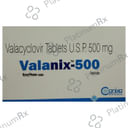
MRP ₹112.5
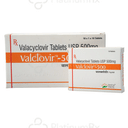
Valacyclovir 500mg
₹309.4
₹279.6
MRP ₹466
Valacyclovir 500mg
₹126.6
₹279.6
MRP ₹466
Valacyclovir 1000mg
₹196.9
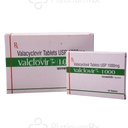
₹478.7
MRP ₹748
Valacyclovir 500mg
₹112.5
₹279.6
MRP ₹466
Valacyclovir 1000mg
₹516.6
₹478.7
MRP ₹748
Valacyclovir 1000mg
₹245.9
₹478.7
MRP ₹748
Valacyclovir 1000mg
₹373.4
₹478.7
MRP ₹748
Valacyclovir 500mg
₹283.1
₹279.6
MRP ₹466
Valacyclovir 500mg
₹135
₹279.6
MRP ₹466
Valacyclovir 1000mg
₹248.4
₹478.7
MRP ₹748
Valacyclovir 500mg
₹115
₹279.6
MRP ₹466
Valacyclovir 500mg
₹126.6
₹279.6
MRP ₹466
Valacyclovir 1000mg
₹580
₹478.7
MRP ₹748
Valacyclovir 1000mg
₹182.8
₹478.7
MRP ₹748
Valacyclovir 500mg
₹177.2
₹279.6
MRP ₹466
Valacyclovir 500mg
₹377.1
₹279.6
MRP ₹466
Valacyclovir 1000mg
₹96.6
₹478.7
MRP ₹748
Valacyclovir 1000mg
₹842.8
₹478.7
MRP ₹748
Valacyclovir 500mg
₹376.9
₹279.6
MRP ₹466
Valacyclovir 1000mg
₹253.1
₹478.7
MRP ₹748
Valacyclovir 500mg
₹386.3
₹279.6
MRP ₹466
Valacyclovir 500mg
₹219.4
₹279.6
MRP ₹466
Valacyclovir 1000mg
₹281.3
₹478.7
MRP ₹748
Valacyclovir 1000mg

₹290
₹478.7
MRP ₹748