More About Polyethylene Glycol + Propylene Glycol + Sodium Hyaluronate (Hyaluronic Acid)
Quick Summary
Polyethylene Glycol + Propylene Glycol + Sodium Hyaluronate (Hyaluronic Acid) is a lubricating eye drop combination often prescribed by doctors to relieve the symptoms of dry eye disease and reduce ocular surface irritation. It contains polyethylene glycol (PEG) and propylene glycol, two well-established ocular demulcents that lubricate and protect the surface of the eye, together with sodium hyaluronate, which is a naturally occurring water-binding polymer that prolongs moisture retention on the ocular surface. Together, the three components soothe dryness, scratchiness, burning, foreign-body sensation, and the temporary visual blur associated with mild to moderate dry eye disease.
Detailed Description
Dry eyes is one of the most common eye conditions across the globe. It is often experienced when the tear film is unstable, evaporates too quickly, or is produced in insufficient amounts. A healthy tear film has three components, which include a lipid layer that limits evaporation, an aqueous layer that hydrates, and a mucin layer that helps the tear film adhere to the ocular surface. Disruption to any of these results in redness, grittiness, burning, blurred vision, and eye fatigue, particularly after prolonged screen use, in air-conditioned environments, or with contact lens wear.
The other two agents of Polyethylene Glycol + Propylene Glycol + Sodium Hyaluronate (Hyaluronic Acid), polyethylene glycol and propylene glycol, are ocular demulcents, which means they form a viscous, water-retaining film that coats the cornea and conjunctiva. These agents smooth the surface of the eye and reduce friction when you blink.
Sodium hyaluronate is a glycosaminoglycan naturally present in the eye that binds many times its weight in water and produces a non-Newtonian lubricating film: viscous at rest so it stays on the eye, but thinner during a blink so vision remains comfortable. Hyaluronate also binds to receptors on epithelial cells and has been studied for its role in supporting the healing of minor surface defects.
Uses of Polyethylene Glycol + Propylene Glycol + Sodium Hyaluronate (Hyaluronic Acid)
- Symptomatic relief of dryness, burning, grittiness, and irritation in mild to moderate dry eye disease.
- Lubrication of the eye in contact lens wearers or people exposed to dry environments, such as air-conditioned offices and long screen use.
- Provide additional comfort in eye conditions such as evaporative dry eye and meibomian gland dysfunction, as advised by the doctor.
- Postoperative ocular surface lubrication, when prescribed by your eye specialist.
- Relief from temporary irritation caused by exposure to wind, dust, smoke, or prolonged near-work.
Benefits of Polyethylene Glycol + Propylene Glycol + Sodium Hyaluronate (Hyaluronic Acid)
- Combines two complementary mechanisms of action: surface lubrication (PEG and propylene glycol) with prolonged hydration (sodium hyaluronate).
- Helps stabilise the tear film and reduces ocular surface friction during blinking.
- Generally well tolerated and suitable for repeated daily use.
- Available in preservative-free formats suitable for people with sensitive eyes, contact lens wearers, or those needing frequent dosing.
- Non-invasive option that provides efficient comfort.
Side Effects of Polyethylene Glycol + Propylene Glycol + Sodium Hyaluronate (Hyaluronic Acid)
Common
- Temporary blurring of vision immediately after instillation
- Mild stinging or burning sensation on instillation
- Eye redness
- Mild lid heaviness
Uncommon
- Eyelid itching or mild allergic reaction (more often occurs due to the preservatives in preserved formulations)
- Sticky eyelashes or fine crust on the eyelid margin
- Discomfort with contact lens wear if the formulation is not lens-compatible
Serious side effects requiring immediate attention
- Severe eye pain, marked or persistent visual loss, or worsening of symptoms
- Signs of ocular allergic reaction or angioedema around the eyes
- Signs of corneal infection, which include severe pain, photophobia, and discharge
Directions for Use
Do not forget to wash your hands before using Polyethylene Glycol + Propylene Glycol + Sodium Hyaluronate (Hyaluronic Acid). Tilt your head back, look up, and gently pull down the lower eyelid to form a small pocket. Hold the bottle above the eye, close to but not touching the eye or lashes, and instil one drop into the pocket. Release the eyelid and gently close the eye for about a minute, lightly pressing the inner corner of the eye (near the bridge of the nose) to reduce drainage into the nose. If you wear soft contact lenses, follow the product label, as many lubricant formulations allow direct use with lenses in place, while preserved drops may require you to remove your lenses and reinsert them only after 15 minutes. Frequency of using Polyethylene Glycol + Propylene Glycol + Sodium Hyaluronate (Hyaluronic Acid) usually ranges from a few times daily to as often as hourly with preservative-free formats. Discard single-use vials after one use. Do not let the dropper tip touch any surface to avoid contamination.
How it works
Polyethylene glycol and propylene glycol are demulcents, which means they are water-retaining polymers that increase the viscosity of the tear film and form a soothing layer over the corneal surface. They reduce the rate at which the tear film evaporates and minimise the mechanical friction that occurs as the eyelids glide across the eye during a blink, providing immediate relief from dryness and grittiness.
Sodium hyaluronate is a long-chain glycosaminoglycan composed of repeating units of glucuronic acid and N-acetylglucosamine. Its molecules trap water through hydrogen bonding and produce a hydrated film on the ocular surface. Hyaluronate, at rest, is viscous and stays in place. However, as you blink, its viscosity reduces (shear-thinning), allowing clear vision and comfortable lid movement. Further, once at rest again, viscosity recovers, prolonging residence time on the eye. Hyaluronate also binds to CD44 receptors on corneal and conjunctival epithelial cells, and has been investigated for its role in supporting the healing of small surface defects.
Together, the three components provide layered tear film support by offering surface lubrication, increasing tear film viscosity, prolonging hydration, and extending residence time on the ocular surface beyond what single-component artificial tears typically achieve.
Safety Advice for Polyethylene Glycol + Propylene Glycol + Sodium Hyaluronate (Hyaluronic Acid)

Allergy
Unsafe
Avoid in known hypersensitivity to any component or to preservatives in preserved formulations.

Breastfeeding
Safe
Topical ocular use results in negligible systemic absorption.

Pregnancy
Safe
Considered safe at recommended use.

Driving
Caution
Vision may blur briefly after instillation. Wait until vision clears before driving.

Alcohol
Safe
No interaction with topical eye drops.

Liver
Safe
Negligible systemic absorption.

Kidney
Safe
Negligible systemic absorption.

Children
Safe
Use as advised by your doctor.

Elderly patients
Safe
Often particularly beneficial, as dry eye is more common with age.
Drug-Food Interaction
No clinically significant food interactions are reported for topical ocular use.
Interactions with Other Drugs
- Other eye drops (CAUTION): Separate different eye drops by at least 5 to 10 minutes as it prevents washing out. It is also advised to use the more viscous (lubricant) drop in the end.
- Topical glaucoma drops (CAUTION): Coordinate timing with your ophthalmologist to avoid interfering with absorption of the glaucoma medication.
- Contact lens disinfecting solutions (CAUTION): Some preserved lubricants are not suitable to instil while soft contact lenses are in place; check the label.
- Topical corticosteroid or antibiotic eye drops (CAUTION): Use lubricant after these drops, allowing time between instillations.
Drug-Disease Interactions
- Active ocular infection (CONSULT YOUR DOCTOR): You must understand, lubricants do not treat infection. If there is any suspected bacterial, viral, or fungal eye infection, it would require specific antimicrobial therapy and immediate attention from an eye specialist.
- Severe ocular surface disease (CAUTION): People with severe dry eye, Sjögren's-related dry eye, or graft-versus-host disease may need a tailored regimen with preservative-free drops, prescription anti-inflammatory therapies, and other measures.
- Recent eye surgery (CAUTION): Use only as advised by your ophthalmologist.
- Acute angle-closure glaucoma or other acute ophthalmic conditions (CAUTION): Lubricants do not treat these conditions. Any new severe eye pain or vision loss requires urgent ophthalmic review.
Overdose
Topical overdose of Polyethylene Glycol + Propylene Glycol + Sodium Hyaluronate (Hyaluronic Acid) is uncommon. However, excess drops usually result in temporary blurred vision and overflow onto the cheek, which are usually not harmful. Even in the case of accidental ingestion of a small amount of ocular lubricant, it is not usually considered harmful. However, large ingestions, especially in children, may require immediate medical intervention.
What If You Forget to take Polyethylene Glycol + Propylene Glycol + Sodium Hyaluronate (Hyaluronic Acid)?
If you forget a dose, use it as soon as you remember. If it is close to the time of your next dose, simply continue with your usual schedule. Missing a dose of a lubricating eye drop is not harmful, although it may briefly allow your dry eye symptoms to return.
References
Fact Box
Therapeutic Class
Action Class
Ocular lubricant / artificial tear preparation
Chemical Class
Synthetic polymer (PEG); polyol (propylene glycol); glycosaminoglycan (sodium hyaluronate)
Habit Forming
No
Checkout Editorial Policy
Top Selling Medicines
Top Health Products
Top Selling Devices
Related Medications

Polyethylene Glycol 0.4% w/v + Propylene Glycol 0.3% w/v + Sodium Hyaluronate (Hyaluronic Acid) 0.15% w/v
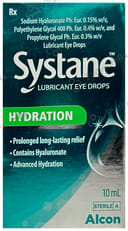
₹553.5
MRP ₹675
Polyethylene Glycol 0.4% w/v + Propylene Glycol 0.3% w/v + Sodium Hyaluronate (Hyaluronic Acid) 0.15% w/v
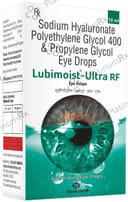
₹467.9
₹553.5
MRP ₹675
Polyethylene Glycol 0.4% w/v + Propylene Glycol 0.3% w/v + Sodium Hyaluronate (Hyaluronic Acid) 0.15% w/v
₹525
₹553.5
MRP ₹675
Polyethylene Glycol 0.4% w/v + Propylene Glycol 0.3% w/v + Sodium Hyaluronate (Hyaluronic Acid) 0.15% w/v
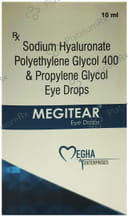
₹364.7
₹553.5
MRP ₹675
Polyethylene Glycol 0.4% w/v + Propylene Glycol 0.3% w/v + Sodium Hyaluronate (Hyaluronic Acid) 0.15% w/v
₹360
₹553.5
MRP ₹675
Polyethylene Glycol 0.4% w/v + Propylene Glycol 0.3% w/v + Sodium Hyaluronate (Hyaluronic Acid) 0.15% w/v
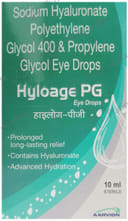
₹497
₹553.5
MRP ₹675
Polyethylene Glycol 0.4% w/v + Propylene Glycol 0.3% w/v + Sodium Hyaluronate (Hyaluronic Acid) 0.15% w/v

₹490
₹553.5
MRP ₹675
Polyethylene Glycol 0.4% w/v + Propylene Glycol 0.3% w/v + Sodium Hyaluronate (Hyaluronic Acid) 0.15% w/v

₹427.5
₹553.5
MRP ₹675
Polyethylene Glycol 0.4% w/v + Propylene Glycol 0.3% w/v + Sodium Hyaluronate (Hyaluronic Acid) 16% w/v
₹450