


Phenytoin
Uses
Phenytoin is used in the treatment of epilepsy, seizures, mania, migraine, and trigeminal neuralgia.
How it Works
How Phenytoin Works Phenytoin is an antiepileptic medication that controls seizures by reducing the abnormal and excessive activity of nerve cells in the brain.
Expert Advice
- Take your medication regularly as directed by your doctor; missing doses can trigger seizures.
- Do not change the brand of your medicine and ensure you have a sufficient supply of medication.
- Some healthy tips to prevent seizures:
- Practice yoga every day.
- Get enough sleep at night.
- Limit screen time, such as mobile and laptop use.
- Take your medication on time.
- Be aware that the medication may cause dizziness and sleepiness.
- Do not drive or engage in activities requiring mental focus until you understand how the medication affects you.
- The medication may increase blood sugar levels; inform your doctor if you are taking any medications for diabetes.
- It may cause swollen gums (gum hypertrophy); therefore, maintain good oral and dental hygiene.
- Consult your doctor if you notice sudden mood changes or develop suicidal thoughts.
- Do not stop taking the medication suddenly without consulting your doctor, as it may increase seizure frequency.
- Phenytoin aids in the treatment and prevention of seizures; take it at the same time every day to maintain consistent levels in your body.
- Be aware that Phenytoin may cause dizziness and sleepiness.
- Avoid consuming alcohol while taking Phenytoin, as it may lead to excessive sleepiness or drowsiness.
- Monitor your weight during treatment, as this medication can cause weight gain.
- Inform your doctor of any unusual changes in mood or behavior, including new or worsening depression, or suicidal thoughts or behavior.
- Do not take Phenytoin if you are pregnant, planning to conceive, or breastfeeding.
- Be mindful that the medication may increase the risk of low sodium levels in the blood.
- Inform your doctor if you experience difficulty concentrating, memory problems, confusion, weakness, or unsteadiness.
Phenytoin in other salts
Top Selling Medicines
Top Health Products
Top Selling Devices
Related Medications

Phenytoin 50mg
₹10
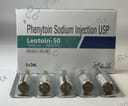
₹7.8
MRP ₹12.2
Phenytoin 50mg
₹70
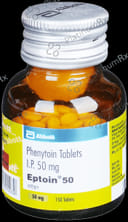
₹109.8
MRP ₹133.9
Phenytoin 100mg
₹152.8
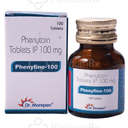
₹94.5
MRP ₹189
Phenytoin 300mg
₹54.4
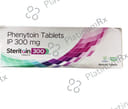
₹129.4
MRP ₹172.5
Phenytoin 100mg
₹43
₹94.5
MRP ₹189
Phenytoin 50mg
₹11.3
₹7.8
MRP ₹12.2
Phenytoin 200mg
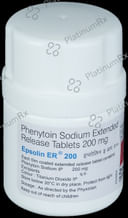
₹248
MRP ₹302.4
Phenytoin 50mg
₹14.5
₹7.8
MRP ₹12.2
Phenytoin 100mg
₹198
₹94.5
MRP ₹189
Phenytoin 50mg
₹101
₹109.8
MRP ₹133.9
Phenytoin 100mg
₹15
₹94.5
MRP ₹189
Phenytoin 100mg
₹155.6
₹94.5
MRP ₹189
Phenytoin 50mg
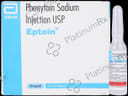
₹12.7
₹7.8
MRP ₹12.2
Phenytoin 100mg
₹15
₹94.5
MRP ₹189
Phenytoin 100mg
₹160
₹94.5
MRP ₹189
Phenytoin 100mg
₹170.2
₹94.5
MRP ₹189
Phenytoin 300mg
₹100
₹129.4
MRP ₹172.5
Phenytoin 100mg
₹190.1
₹94.5
MRP ₹189
Phenytoin 50mg
₹10.6
₹7.8
MRP ₹12.2
Phenytoin 300mg
₹181.4
₹129.4
MRP ₹172.5
Phenytoin 50mg
₹16.2
₹109.8
MRP ₹133.9
Phenytoin 100mg
₹221.7
₹94.5
MRP ₹189
Phenytoin
₹10.5

Phenytoin 100mg
₹10.2
Phenytoin 250mg
₹27.3