


More About Permethrin
Quick Summary
Permethrin contains permethrin, a synthetic pyrethroid insecticide used topically for the treatment of scabies and head lice infestations. It works by disrupting the nervous system of parasites, causing paralysis and death of the organism. Permethrin is effective against both the adult parasite and its eggs, making it one of the most widely used topical antiparasitic agents. Always use Permethrin exactly as directed by your doctor or as indicated on the product packaging.
Detailed Description
Permethrin contains permethrin, a synthetic type I pyrethroid derived from the natural pyrethrins found in chrysanthemum flowers, formulated for topical application in the treatment of ectoparasite infestations.
Permethrin acts on the peripheral nervous system of parasites by binding to voltage-gated sodium channels and preventing their closure after activation. This prolongs sodium influx into nerve cells, causing repetitive nerve firing, paralysis, and death of the parasite. Its selective toxicity to arthropods over mammals is attributed to the higher sensitivity of arthropod sodium channels, the greater body temperature of mammals which accelerates permethrin metabolism, and the negligible systemic absorption achieved with topical application at therapeutic concentrations.
Permethrin is effective against Sarcoptes scabiei (the scabies mite), Pediculus humanus capitis (head lice), and their eggs (nits). It is available as a cream for scabies and as a lotion or cream rinse for head lice.
Uses of Permethrin
The uses of Permethrin are as follows:
Scabies
Permethrin is used as first-line topical treatment for scabies infestation caused by Sarcoptes scabiei.
Head Lice (Pediculosis Capitis)
It is used to eliminate head lice and nits in affected individuals.
Crusted (Norwegian) Scabies
It may be used as part of combination treatment for hyperkeratotic crusted scabies under specialist supervision.
Prevention of Lice Reinfestation
It may be used prophylactically in close contacts of confirmed infested individuals as directed.
Benefits of Permethrin
Here are the benefits of Permethrin:
- Effective Against Adult Parasites and Eggs: Permethrin kills both the parasite and its eggs, reducing the risk of reinfestation from hatching nits.
- First-Line Recommended Treatment: Widely recommended as the first-line topical agent for scabies and head lice in national and international treatment guidelines.
- Minimal Systemic Absorption: Topical application results in negligible systemic absorption, limiting the risk of systemic side effects.
- Single or Short-Course Application: Scabies treatment typically requires one to two applications, supporting treatment adherence.
Side Effects of Permethrin
Like all medicines, Permethrin may cause side effects in some individuals.
Common Side Effects
- Skin Burning or Stinging: A transient burning or stinging sensation at the application site is commonly reported.
- Pruritus: Itching may persist for several weeks after successful scabies treatment due to the ongoing immune response to mite antigens and is not a sign of treatment failure.
- Erythema: Mild redness at the application site may occur.
Uncommon Side Effects
- Skin Rash: Mild hypersensitivity reactions may develop in sensitive individuals.
- Oedema: Mild localised swelling at the application site has been reported.
- Numbness or Tingling: Transient paraesthesia at the application site may occur.
Serious Side Effects (Require Immediate Medical Attention)
- Severe Allergic Reaction: Swelling of the face, lips, or throat with difficulty breathing requires urgent medical care.
- Severe Skin Irritation: Significant worsening of skin condition or blistering at the application site requires prompt medical review.
- Always consult your doctor if side effects persist or worsen.
Directions for Use
To ensure safe use:
- Use exactly as prescribed or as directed on the product label.
- For scabies, apply the cream to the entire body from the neck down, including between fingers and toes, and wash off after eight to fourteen hours.
- For head lice, apply to damp hair, leave for ten minutes, then rinse thoroughly.
- A second application is usually recommended seven to fourteen days after the first to eliminate any newly hatched lice or mites.
- Avoid contact with eyes, mouth, and mucous membranes during application.
How it Works
Permethrin binds selectively to voltage-gated sodium channels in the nerve cell membranes of arthropods, preventing the normal closure of the channel after nerve impulse activation. This causes prolonged and repetitive sodium influx, sustained depolarisation of the nerve membrane, continuous nerve firing, and ultimately paralysis and death of the parasite.
Mammalian toxicity is minimal at topical therapeutic concentrations due to the lower sensitivity of mammalian sodium channels to permethrin, the rapid hepatic metabolism of absorbed permethrin to inactive metabolites, and the very low systemic absorption achieved with topical application on intact skin.
Safety Advice for Permethrin

Allergy
Caution
Inform your doctor of any known allergy to pyrethrins, chrysanthemums, or permethrin before use. Cross-sensitivity with chrysanthemum-derived pyrethrins is possible.

Breastfeeding
Caution
Avoid applying to the breast or nipple area during breastfeeding. Use elsewhere only if advised by a doctor.

Pregnancy
Limited information
Use only if specifically advised by a doctor. Topical application involves minimal systemic absorption but safety in pregnancy is not fully established.

Driving
Safe
Topical application does not impair driving ability under normal use.

Alcohol
Safe
No significant interaction expected with topical use at recommended doses.

Liver
Safe
Systemic absorption is negligible with topical use. No significant hepatic concerns at recommended doses.

Kidney
Safe
No significant renal concerns expected with topical use at recommended doses.

Children
Caution
Generally considered safe in children over two months of age. Use in infants under two months requires medical supervision. Apply to the scalp and hairline in young children as directed by a doctor.

Elderly patients
Safe
Generally well tolerated in elderly patients. Ensure complete body coverage in scabies treatment as directed.
Quick Tips for Permethrin
A few practical measures can help ensure effective use of Permethrin:
- Treat all household contacts simultaneously: Scabies is highly contagious; all close household and sexual contacts should be treated at the same time to prevent reinfestation.
- Wash clothing and bedding after treatment: Launder all clothing, bedding, and towels used in the 72 hours before treatment in hot water to eliminate any surviving mites or lice.
- Persistent itching after treatment is normal: Itching may continue for two to four weeks after successful scabies treatment due to the immune response to dead mite antigens. This does not indicate treatment failure.
- Apply to the full body surface in scabies: Ensure application extends to all skin folds, under nails, and between toes, as incomplete coverage is the most common cause of treatment failure.
- Avoid eyes and mouth: Permethrin is for external use only; rinse thoroughly with water if accidental contact with mucous membranes occurs.
Storage Advice
Proper storage is important to maintain the stability and effectiveness of Permethrin:
- Store at room temperature: Keep away from heat, moisture, and direct sunlight.
- Keep tube or bottle tightly closed: Prevents contamination and evaporation of the formulation.
- Keep out of reach of children: Store safely to prevent accidental ingestion or misuse.
- Check expiry before use: Do not use after the expiry date printed on the packaging.
Drug-Food Interaction
Permethrin is a topical formulation and is not affected by dietary intake. No dietary restrictions are required during use.
Interactions with Other Drugs
Permethrin may interact with the following medicines:
- Other Topical Preparations: Applying multiple topical agents simultaneously to the same area may alter absorption of permethrin or cause skin irritation.
- Systemic Insecticides or Pyrethroids: Concurrent systemic exposure should be avoided to prevent additive nervous system effects, though this is not clinically relevant with standard topical use.
Drug-Disease Interactions
Permethrin should be used carefully in the following conditions:
- Pyrethrin or Chrysanthemum Allergy: Cross-sensitivity may cause allergic skin reactions; use only after medical review in sensitised individuals.
- Severely Compromised Skin Barrier: Extensive broken or inflamed skin may increase systemic absorption; use under medical supervision in this context.
- Crusted Scabies: This hyperkeratotic form requires more intensive treatment and specialist guidance; topical permethrin alone may be insufficient.
Daily Dose
For scabies, one application from the neck down, left on for eight to fourteen hours, repeated after seven to fourteen days as directed. For head lice, one application to damp hair for ten minutes, repeated after seven to ten days. Always follow your doctor's specific instructions.
What If You Forget to take Permethrin?
If an application is missed, apply it as soon as remembered. Do not double the application to make up for a missed one.
Fact Box
Therapeutic Class
Topical Antiparasitic / Ectoparasiticide
Action Class
Voltage-Gated Sodium Channel Blocker (Arthropod-Selective)
Chemical Class
Synthetic Type I Pyrethroid
Habit Forming
No
Checkout Editorial Policy
Related Medications

Permethrin 1% w/w
₹73.3
MRP ₹146.5
Permethrin 5% w/w
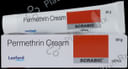
₹58
₹30.8
MRP ₹59.2
Permethrin 5% w/v
₹41.8
MRP ₹53.6
Permethrin 5% w/w
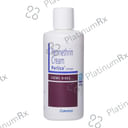
₹192.3
₹30.8
MRP ₹59.2
Permethrin 5% w/v
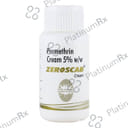
₹58.1
₹95.6
MRP ₹116.6
Permethrin 5% w/w
₹50
₹30.8
MRP ₹59.2
Permethrin 5% w/w
₹137.9
₹152.2
MRP ₹177
Permethrin 5% w/w
₹62.5
₹152.2
MRP ₹177
Permethrin 5% w/v
₹145
₹41.8
MRP ₹53.6
Permethrin
₹70.2

Permethrin
₹26.7
Permethrin
₹46.5
Permethrin 50mg
₹50
Permethrin 10mg
₹65.9
Permethrin 50mg
₹62.1
Permethrin 50mg
₹72.9
Permethrin 10mg
₹61.3
Permethrin 10mg
₹55.8
Permethrin 10mg

₹30
Permethrin 10mg
₹54.2
Permethrin 50mg
₹59
Permethrin 2%
₹157
Permethrin 5mg
₹49
Glycerol (Glycerine) + Permethrin
₹90
Miconazole nitrate + Permethrin
₹75
Flat ₹100 off on first app order | Use Code: APP100 |
Flat ₹100 off on first app order
USE CODE: APP100

Download Now

