


More About Pentoxifylline
Quick Summary
Pentoxifylline is a prescription medicine that helps blood flow more easily through narrowed blood vessels. It belongs to a group of medicines called xanthine derivatives, the same family as caffeine and theophylline. Doctors prescribe Pentoxifylline for intermittent claudication, which is aching, cramping, or tiredness in the legs that comes on while walking and eases with rest. This happens when long-term narrowing of the arteries cuts down the blood supply to the leg muscles. Pentoxifylline comes as an extended-release tablet taken by mouth with meals. It can improve walking and symptoms, but it does not replace treatments such as bypass surgery.
Detailed Description
Intermittent claudication is a sign of peripheral arterial disease, where the arteries that carry blood to the limbs slowly become narrow or blocked. When you walk, your leg muscles need more oxygen than the narrowed arteries can deliver, so the muscles ache or cramp. Pentoxifylline works mainly on the blood itself.
Pentoxifylline makes blood less thick (lower viscosity), so it flows more easily. It also makes red blood cells more flexible, so they can squeeze through tiny blood vessels. White blood cells become more flexible too, and are less likely to stick and become overactive. Together, these changes improve blood flow in the smallest blood vessels of the affected muscles and help more oxygen reach the tissues.
The extended-release tablet lets the medicine out slowly. After a dose, blood levels reach their highest point within 2 to 4 hours and then stay steady for a long stretch. Your body clears Pentoxifylline almost entirely through the urine, which is why kidney health matters while using it.
Pentoxifylline does not work overnight. The label says benefit may show within 2 to 4 weeks, and it recommends continuing treatment for at least 8 weeks. It can improve walking and leg symptoms, but it is not meant to replace more definitive treatment such as bypass surgery.
Medical supervision matters with Pentoxifylline. It should not be used by people who have recently had bleeding in the brain or in the back of the eye (retina), or who have reacted badly to it or to related substances such as caffeine, theophylline, or theobromine. Many people with leg artery disease also have disease of the heart or brain blood vessels, and there have been occasional reports of chest pain, low blood pressure, and irregular heartbeat with this medicine. People who take blood thinners such as warfarin, or who have a higher risk of bleeding, may need regular blood tests while on Pentoxifylline.
Benefits of Pentoxifylline
- Eases leg pain on walking: Pentoxifylline can improve symptoms and walking ability in people with intermittent claudication caused by long-term narrowing of the leg arteries.
- Improves how blood flows: It makes blood less thick and red blood cells more flexible, which helps blood move through tiny vessels in the leg muscles.
- Helps oxygen reach the muscles: By improving flow in the smallest blood vessels, Pentoxifylline increases oxygen delivery to tissues that are short of blood.
- Steady release through the day: The extended-release tablet keeps blood levels of the medicine steady for a long period after each dose.
- Tested in six-month studies: Its benefit in intermittent claudication was shown in double-blind clinical studies lasting 6 months.
Side Effects of Pentoxifylline
Common Side Effects (Usually Mild and may lessen with continued use)
- Indigestion or upset stomach
- Nausea
- Vomiting
- Belching, gas, or bloating
- Dizziness
- Headache
- Flushing (warmth and redness of the face)
- Shakiness (tremor)
If stomach or nervous system side effects bother you, tell your doctor. The label allows the doctor to lower the dose in this situation.
Serious Side Effects (Seek Urgent Medical Attention)
- Anaphylaxis: a sudden, severe allergic reaction. Signs include trouble breathing, swelling of the face, lips, tongue, or throat (angio-oedema), hives, or feeling faint. The label says Pentoxifylline must be stopped at the first sign of such a reaction.
- Chest pain (angina)
- Fast or irregular heartbeat (arrhythmia)
- Very low blood pressure, with dizziness or fainting
- Shortness of breath or swelling of the legs
- Unusual bleeding, such as nosebleeds, bleeding gums, purple spots on the skin (purpura), or blood in urine or stools
- Yellowing of the skin or eyes (jaundice), which can point to liver inflammation (hepatitis)
- Seizures (fits)
- Aseptic meningitis: inflammation of the lining around the brain that is not caused by an infection. Signs include a bad headache, stiff neck, fever, and sensitivity to light.
- Blood disorders, reported rarely, including aplastic anaemia (when the bone marrow stops making enough blood cells), low platelets (thrombocytopenia), and a drop in all blood cell types (pancytopenia). Signs include unusual tiredness, frequent infections, or easy bruising.
- Blurred vision or blind spots in your vision
Directions for Use
- Take Pentoxifylline exactly as your doctor has prescribed. It is usually taken three times a day.
- Take each dose with a meal. This is how the label describes its use, and it helps prevent an upset stomach.
- Swallow the tablet whole with a glass of plain water. Do not break, crush, or chew it, because this is an extended-release tablet that is made to release the medicine slowly.
- Try to take your doses at about the same times each day, with your usual meals, so you keep a steady routine.
- Be patient. Improvement may take 2 to 4 weeks to appear, and your doctor will usually advise continuing treatment for at least 8 weeks.
- Keep taking Pentoxifylline for as long as your doctor advises, even if you do not notice a change in the first few weeks. Do not stop it on your own.
How it works
Pentoxifylline is a xanthine derivative, a chemical cousin of caffeine and theophylline. Scientists believe it works mainly by blocking a group of enzymes called phosphodiesterases. Enzymes are proteins that speed up chemical reactions in the body. Pentoxifylline blocks many types of phosphodiesterase rather than just one, so it is called a "non-selective" phosphodiesterase inhibitor. Phosphodiesterases normally break down a messenger molecule inside cells called cyclic AMP (cAMP). Blocking them stops this breakdown.
Blocking these enzymes leads to several changes in the blood:
- Blood becomes less thick: Lower viscosity means blood flows more easily through narrowed arteries and tiny vessels.
- Red blood cells become more flexible: Red blood cells carry oxygen. When they bend more easily, they can pass through very small blood vessels in the muscles.
- White blood cells become more flexible and calmer: Pentoxifylline makes white blood cells more flexible and reduces a type of white blood cell (neutrophil) from sticking to vessel walls and becoming overactive.
The overall result is better blood flow in the smallest blood vessels of the affected limb and more oxygen reaching the muscle. This is why Pentoxifylline can ease the aching and cramping of intermittent claudication. The full chain of events is still not completely understood.
Safety Advice for Pentoxifylline

Pregnancy
Limited information
Use Pentoxifylline during pregnancy only if your doctor feels the benefit outweighs the possible risk to the baby. Animal studies did not show birth defects, but a higher rate of pregnancy loss was seen in rats at the highest doses. Tell your doctor if you are pregnant or planning a pregnancy.

Breastfeeding
Limited information
Pentoxifylline and its breakdown products pass into breast milk. Because of findings in animal studies, you and your doctor will need to decide whether to stop breastfeeding or stop the medicine.

Alcohol
Limited information
The label for Pentoxifylline does not give a specific alcohol warning. Because Pentoxifylline itself can cause dizziness and drowsiness, ask your doctor before drinking alcohol while taking it.

Driving
Limited information
Pentoxifylline may make you drowsy or dizzy. Do not drive or use machines until you know how it affects you.

Kidney
Limited information
Your body removes Pentoxifylline mainly through the kidneys, and levels of its breakdown products rise in people with kidney problems. The label advises a lower dose in severe kidney impairment. Tell your doctor about any kidney disease.

Liver
Limited information
Liver problems can greatly raise the amount of Pentoxifylline in the blood. The label does not give a dose for people with liver problems, so your doctor will decide carefully whether it suits you.

Children
Limited information
The safety and effectiveness of Pentoxifylline in children have not been shown.

Elderly patients
Limited information
Older adults can have higher levels of Pentoxifylline in the blood because their bodies clear it more slowly. The label advises doctors to start at the low end of the dosing range and to check kidney function carefully.
Quick Tips for Pentoxifylline
- Take each dose with a meal to lower the chance of an upset stomach.
- Swallow the tablet whole. Never crush, chew, or break it.
- Give the medicine time. It may take 2 to 4 weeks to notice improvement, and treatment is usually continued for at least 8 weeks.
- If you take warfarin or another blood thinner, expect your doctor to order blood clotting tests more often.
- Tell your doctor if you take theophylline, ciprofloxacin, fluvoxamine, cimetidine, or medicines for blood pressure.
- Watch for any unusual bleeding or bruising and report it promptly.
- Tell your surgeon or dentist that you take Pentoxifylline.
Storage Advice
- Store at room temperature, between 20°C and 25°C (68°F and 77°F).
- Keep the tablets in their original tightly closed container, which protects them from light.
- Keep away from excess heat and moisture.
- Keep out of the reach and sight of children and pets.
Drug-Food Interaction
- Meals: Taking the extended-release tablet with food raises the amount of Pentoxifylline absorbed by a modest amount. This is expected, since the tablet is meant to be taken with meals. Keep taking it with food each time so your levels stay consistent.
- Caffeine and related substances: Pentoxifylline is closely related to caffeine, theophylline, and theobromine. People who have had a bad reaction to these substances should not take Pentoxifylline. Tell your doctor if coffee, tea, or chocolate have caused problems for you in the past.
Interactions with Other Drugs
- Blood thinners (vitamin K antagonists such as warfarin): Using these with Pentoxifylline has been linked to increased blood-thinning effect and a longer clotting time. Doctors usually check clotting tests more often.
- Antiplatelet medicines and NSAIDs (painkillers such as ibuprofen): Taking these together with Pentoxifylline can raise the risk of bleeding.
- Theophylline: Pentoxifylline can raise theophylline levels in the blood, which has caused theophylline toxicity in some people. Doctors monitor theophylline levels when starting or changing Pentoxifylline.
- Ciprofloxacin and fluvoxamine: These strong blockers of the liver enzyme CYP1A2 (a protein in the liver that breaks down some medicines) may increase the amount of Pentoxifylline in the blood.
- Cimetidine: This acid-reducing medicine increases blood levels of Pentoxifylline and one of its active breakdown products.
- Blood pressure medicines (such as nifedipine or captopril): Small drops in blood pressure have been seen in some people taking these with Pentoxifylline. Your doctor may check your blood pressure regularly and adjust your blood pressure medicine if needed.
Drug-Disease Interactions
- Recent bleeding in the brain or eye: Pentoxifylline should not be used by people who have recently had bleeding in the brain (cerebral haemorrhage) or in the back of the eye (retinal haemorrhage).
- Bleeding risk: People with a recent operation, stomach or duodenal ulcers (sores in the lining of the stomach or the first part of the small intestine), or other reasons to bleed easily need regular check-ups, including blood tests for haemoglobin (the oxygen-carrying part of red blood cells), while on Pentoxifylline.
- Heart and brain blood vessel disease: Many people with leg artery disease also have heart or brain blood vessel disease. Occasional reports of chest pain, low blood pressure, and irregular heartbeat have been made with Pentoxifylline.
- Kidney disease: Breakdown products of Pentoxifylline build up in people with kidney problems, and the risk of side effects is higher. The dose is lowered in severe kidney impairment.
- Liver disease: Blood levels of Pentoxifylline rise sharply in people with mild to moderate liver problems. It has not been studied in severe liver failure.
- Intolerance to caffeine-type substances: Pentoxifylline should not be used by people who have reacted badly to it or to caffeine, theophylline, or theobromine.
Daily Dose
- According to the product label, the usual adult dose is one 400 mg extended-release tablet three times a day with meals.
- If stomach or nervous system side effects occur, the label allows the doctor to reduce the dose to one tablet twice a day (800 mg per day). If side effects continue at this lower dose, the label says the medicine should be stopped.
- For people with severe kidney impairment (creatinine clearance below 30 mL/min, a kidney function test result showing severely reduced kidney function), the label advises reducing the dose to 400 mg once a day.
- The label recommends continuing treatment for at least 8 weeks.
- Always follow the exact dose your doctor prescribes. Do not change the dose or stop the medicine without talking to your doctor.
Overdose
Symptoms of a Pentoxifylline overdose tend to be worse with larger amounts. In reported cases, symptoms usually began 4 to 5 hours after the tablets were swallowed and lasted about 12 hours. They included:
- Flushing
- Low blood pressure, with dizziness or fainting
- Seizures (fits)
- Severe drowsiness
- Loss of consciousness
- Fever
- Agitation
If you think someone has taken too much Pentoxifylline, call for emergency help or go to the nearest hospital emergency department straight away. Take the medicine pack with you. In hospital, treatment is based on symptoms. Doctors may wash out the stomach or give activated charcoal, and they focus on supporting breathing, keeping blood pressure stable, and controlling seizures.
What If You Forget to take Pentoxifylline?
- If you miss a dose, take it with food as soon as you remember.
- If it is almost time for your next dose, skip the missed dose and continue with your usual schedule.
- Never take a double dose to make up for a missed one.
When to contact doctor
Get emergency medical help straight away if you notice:
- Trouble breathing, swelling of the face, lips, tongue, or throat, or hives (signs of anaphylaxis)
- Chest pain
- Fast, pounding, or irregular heartbeat
- Fainting or severe dizziness
- Bleeding that will not stop, vomiting blood, or black or bloody stools
- A seizure
- A severe headache with stiff neck and fever
- Yellowing of the skin or eyes
Contact your doctor soon if you have:
- Stomach upset, nausea, or dizziness that does not settle
- Easy bruising, nosebleeds, or bleeding gums
- Frequent infections or unusual tiredness
- Blurred vision or blind spots
References
Fact Box
Therapeutic Class
Peripheral vascular disease medicine (haemorheologic agent, which improves how blood flows)
Action Class
Non-selective phosphodiesterase inhibitor
Chemical Class
Xanthine derivative (tri-substituted xanthine)
Habit Forming
No
Checkout Editorial Policy
Top Selling Medicines
Top Health Products
Top Selling Devices
Related Medications

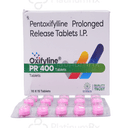
Pentoxifylline 400mg
₹177.2
₹184.6
MRP ₹293
Pentoxifylline 400mg
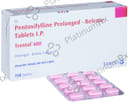
₹85.7
₹184.6
MRP ₹293
Pentoxifylline 400mg
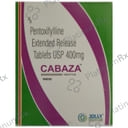
₹105
₹184.6
MRP ₹293
Pentoxifylline 400mg
₹118.1
MRP ₹196.9
Pentoxifylline 400mg
₹74.9
₹184.6
MRP ₹293
Pentoxifylline 400mg
₹184.6
MRP ₹293
Pentoxifylline 20mg
₹14.4

Pentoxifylline 400mg

₹105
Pentoxifylline 20mg
₹5.8
Pentoxifylline 20mg
₹13.5
Pentoxifylline 400mg
₹27.1
Pentoxifylline 400mg
₹75
Pentoxifylline 400mg
₹83.7
Pentoxifylline 400mg
₹26.2
Pentoxifylline 20mg
₹5.8
Pentoxifylline 400mg
₹179
Pentoxifylline 400mg
₹27.8
Pentoxifylline 20mg
₹6.6